
One-stop Fastener
Custom Manufacturing Expert

Flange Bolt Tightening Methods

[Abstract]:Flange connections are among the most fundamental and critical connection methods in industrial applications, widely used in pipeline transportation, chemical equipment, new energy power stations, machinery manufacturing, and many other scenarios.
Flange Bolt Tightening Methods

Flange connections are among the most fundamental and critical connection methods in industrial applications, widely used in pipeline transportation, chemical equipment, new energy power stations, machinery manufacturing, and many other scenarios. The tightening quality of flange bolts directly determines flange connection sealing performance, load-bearing capacity, and service life. Compared to ordinary bolt tightening, flange bolts must address high sealing requirements, complex stress conditions, and diverse operating environments (high temperature, high pressure, corrosive conditions). The tightening process requires standardized procedures and adherence to key principles, as any oversight can lead to leakage, loosening, or even equipment failure and safety incidents.

I. Pre-Tightening Preparation

Proper preparation is the foundation for avoiding future tightening issues, focusing on three core areas: specification matching, cleaning and inspection, and tool calibration.

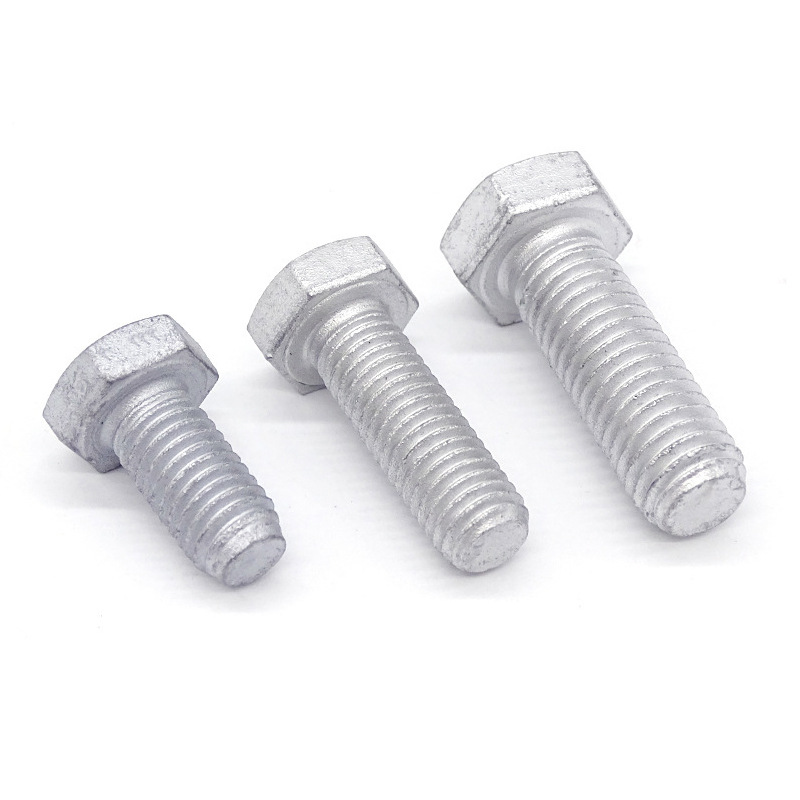
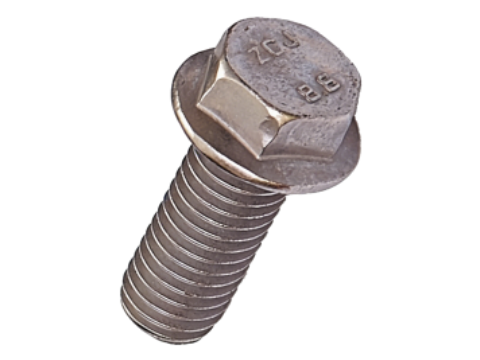
Specification matching is the primary prerequisite. Flange bolt specifications, materials, and strength grades must precisely match the flange type and operating conditions. For example, high-pressure pipeline flanges require grade 12.9 high-strength flange bolts, preferably made from alloy structural steels such as 35CrMoA or 42CrMo. In chemically corrosive environments, 316L stainless steel flange bolts with fluororubber gaskets are required to prevent media corrosion.

For cleaning and inspection, thoroughly clean flange sealing surfaces and bolt threads to remove oil, rust, debris, and burrs. Inspect flange sealing surfaces for scratches, dents, or deformation, and check bolt threads for integrity. Replace any damaged components immediately.

Tool calibration is critical for tightening accuracy. Torque wrenches, hydraulic wrenches, and similar tools must be calibrated in advance to ensure torque error within ±5%.

II. Core Tightening Methods

Flange bolt tightening follows the principle of "diagonal symmetry, stepwise progression, and uniform force distribution." Two standardized methods are commonly used.

The diagonal tightening method is suitable for small to medium flanges (diameter ≤ 500mm). First, hand-tighten bolts in diagonal sequence until the bolts contact the flange face without looseness. Then, using a torque wrench, tighten in the same diagonal order in steps, with each step at 30-40% of the rated torque, gradually increasing until reaching the rated torque.

The cross tightening method is suitable for large flanges (diameter > 500mm) or applications with extremely high sealing requirements. Divide bolts into two groups and tighten in cross-symmetrical sequence in three steps: first step to 20-30% of rated torque, second step to 60-70%, third step to 100%. After each step, check flange sealing surface fit to ensure no gaps and uniform force distribution. Never tighten a single bolt to rated torque in one pass, as this causes uneven flange loading and sealing surface deformation.

III. Torque Control

Torque control is the core of flange bolt tightening. Different bolt specifications and materials require different rated torque values, calculated based on bolt diameter, strength grade, working pressure, and other parameters. For example, an M16 grade 10.9 flange bolt under normal temperature and pressure has a rated torque of approximately 80-100 N·m. An M20 grade 12.9 flange bolt has a rated torque of approximately 150-180 N·m.

Torque should be adjusted based on operating conditions. Under high temperature, bolts expand, requiring torque reduction of 10-15%. Under low temperature, bolts contract, requiring torque increase of 5-10%. For high-pressure sealing applications, increase torque by 5-8% above rated torque. Throughout the tightening process, use a properly calibrated torque wrench and apply torque smoothly and evenly to avoid thread stripping or bolt fracture.

IV. Gasket Selection and Locking Measures

Gasket material and specifications must precisely match the flange sealing surface and working media. For water or air pipelines at normal temperature and pressure, rubber gaskets are suitable. For high-temperature, high-pressure steam pipelines, graphite or spiral-wound gaskets are required. For corrosive media, PTFE gaskets are needed. During tightening, ensure the gasket is centered without shifting or wrinkling, with compression controlled at 20-30% of gasket thickness.

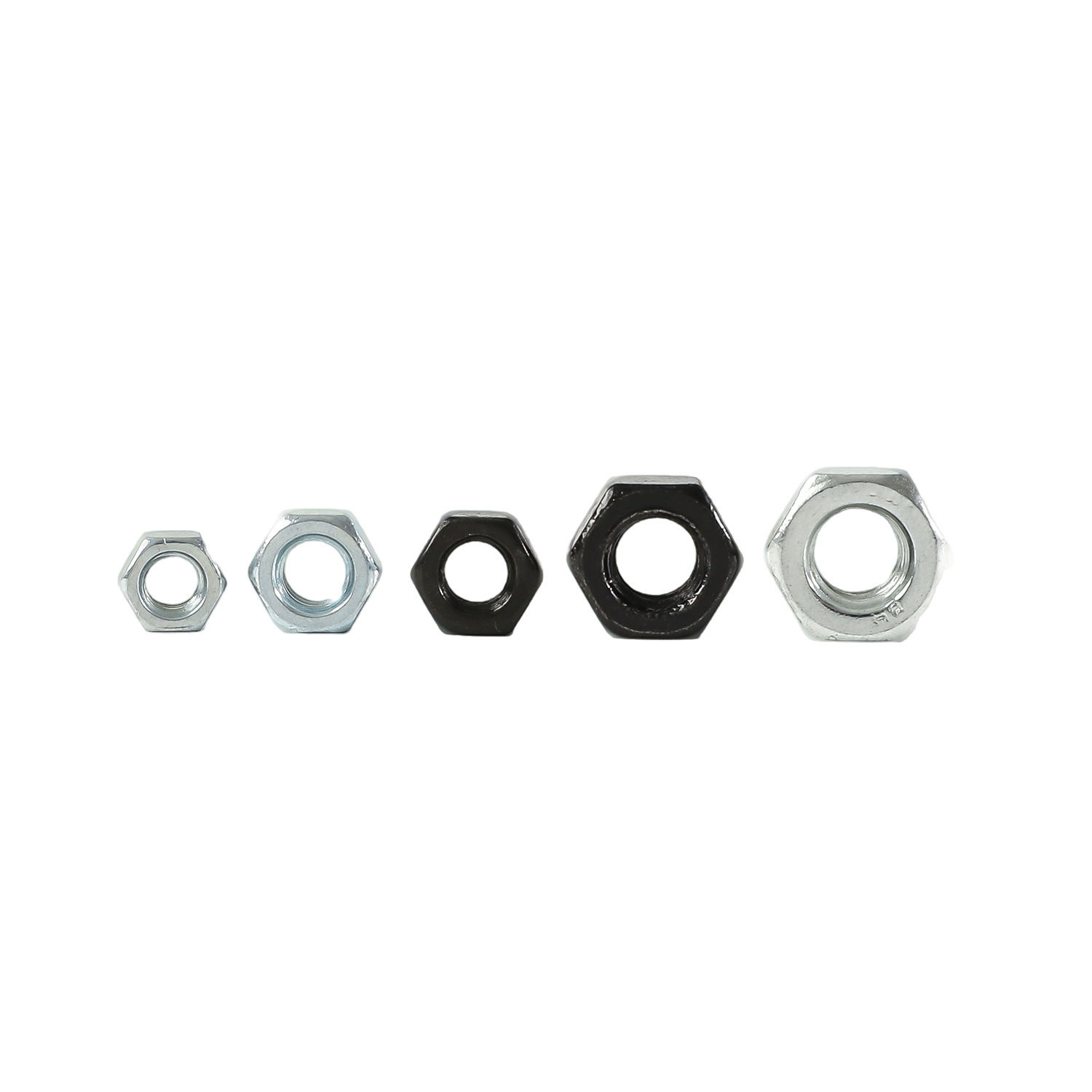
Locking measures should be selected based on operating conditions. For high-vibration applications (e.g., pumps, fans), use locking washers, lock nuts, or thread-locking compound. For outdoor or humid environments, use hot-dip galvanized or Dacromet-coated flange bolts with waterproof washers, and apply anti-rust grease to threads. For equipment that operates continuously and is difficult to access for maintenance, use the double-nut locking method.

V. Industry-Specific Considerations

  • Chemical industry: Use corrosion-resistant, high-strength flange bolts with cross tightening, followed by leak detection (hydrostatic or pneumatic testing).

  • New energy power stations (solar, wind): Focus on rust prevention and locking measures. Use hot-dip galvanized or stainless steel bolts with locking washers, and conduct regular inspections.

  • Machinery manufacturing: Follow equipment manual torque specifications precisely to avoid housing deformation or reduced operating precision.

  • Construction piping: Coordinate with pipe slope to ensure no water accumulation on sealing surfaces, and implement freeze protection measures.

VI. Common Mistakes to Avoid

Three common mistakes: (1) arbitrarily substituting bolts—using ordinary bolts instead of flange-specific bolts, or low-strength instead of high-strength bolts; (2) improper torque control—excessively increasing torque for better sealing causes bolt fracture or flange deformation, while insufficient torque causes leakage; (3) neglecting maintenance—failing to perform regular inspections after tightening.

VII. Post-Tightening Maintenance

Conduct regular inspections, tightening, and maintenance based on operating conditions. Outdoor applications require inspection every 3-6 months. Harsh environments such as chemical and high-pressure applications require monthly inspection. Focus on checking for bolt loosening, rust, gasket damage, and leakage. If loosening is found, retighten to standard torque. If rust, thread damage, or gasket failure is found, replace components immediately.

Conclusion

Flange bolt tightening is a professional and practical operation requiring attention throughout the entire process of preparation, standardized tightening, and post-maintenance. Strictly follow the principles of diagonal symmetry and stepwise progression. Control torque, select appropriate gaskets, implement proper locking measures, adjust based on operating conditions, and avoid common mistakes. Standardized flange bolt tightening not only improves flange connection sealing and stability, extends equipment service life, but also effectively prevents safety incidents such as leaks and equipment failure, providing essential support for safe production across all industries.


Tags: Flange Bolts Torque Control Bolt Tightening Flange Connection Industrial Fastening

Abstract: Flange bolt tightening requires following diagonal symmetry and stepwise progression methods. Core elements include proper preparation (specification matching, cleaning, tool calibration), torque control with adjustments for temperature and pressure conditions, correct gasket selection (rubber, graphite, PTFE), and application-specific locking measures. Avoid common mistakes such as improper bolt substitution or incorrect torque. Regular post-tightening maintenance ensures sealing integrity and prevents leaks and equipment failure.

Professional consultant team online, ready to provide solutions for you

Contact Now
WeChat

WeChat

Scan to add WeChat

Long press to scan

Service