Differences Between Standard and Custom Fasteners? This is a common technical question in fastener design and application. Understanding the relevant principles is essential for improving joint reliability and reducing failure risks.
Technically, this issue involves material selection, manufacturing processes, heat treatment, and surface treatment. The optimal solution varies under different conditions. For example, high-strength bolts require strict control of quenching and tempering parameters per ISO 898-1.
In practice: select appropriate strength grade based on load; understand friction coefficient effects on preload; choose appropriate locking methods (spring washers, thread locker, cotter pins); and periodically inspect torque on critical joints.
Toprecision's engineering team has extensive experience in cold forming, aluminum alloy fasteners, and micro screws. We provide comprehensive technical support from selection to application. Contact us with your specific questions.
Core Differences
1. Design and Standardization Level
-
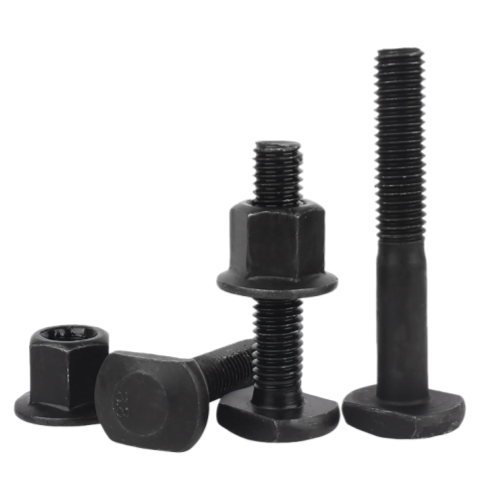
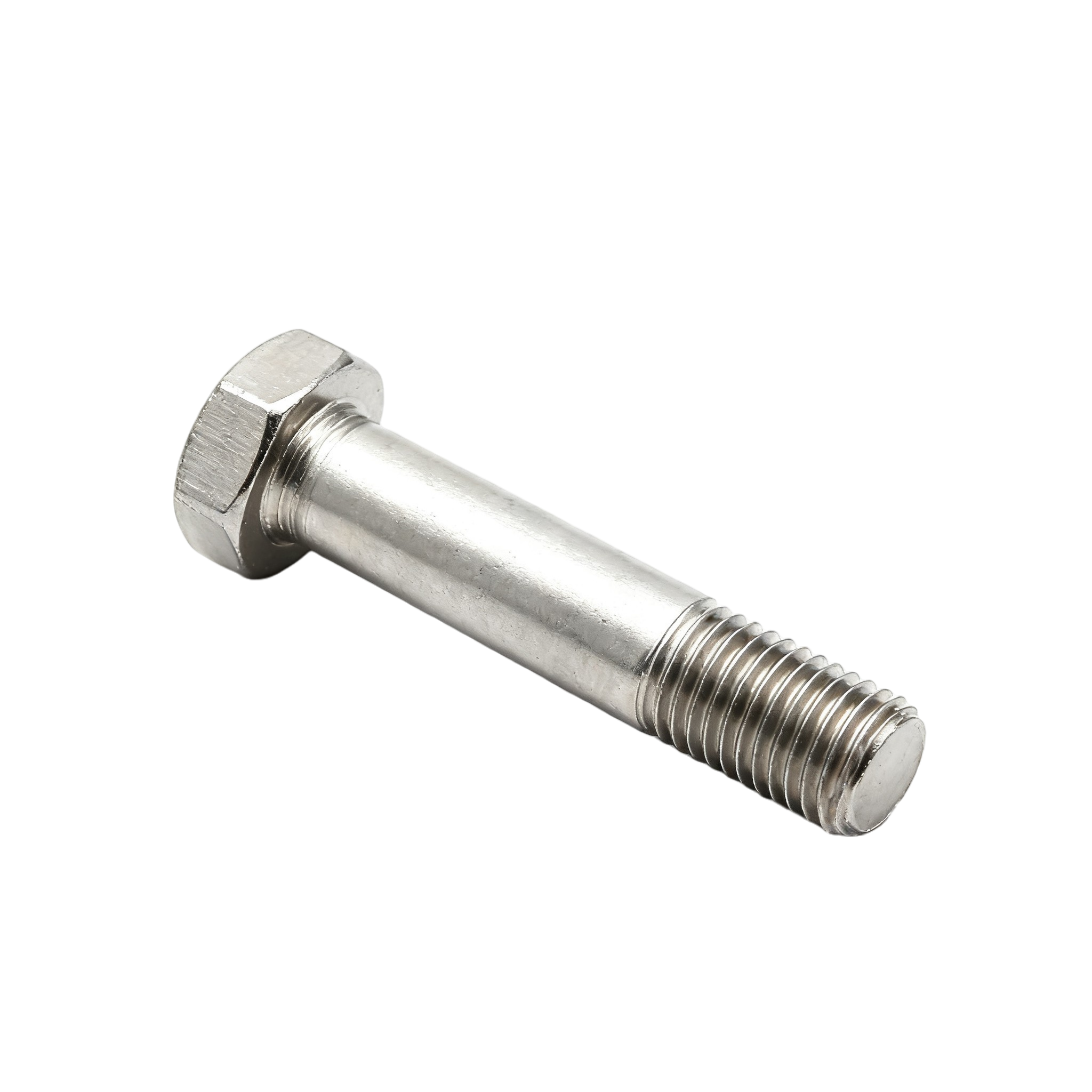
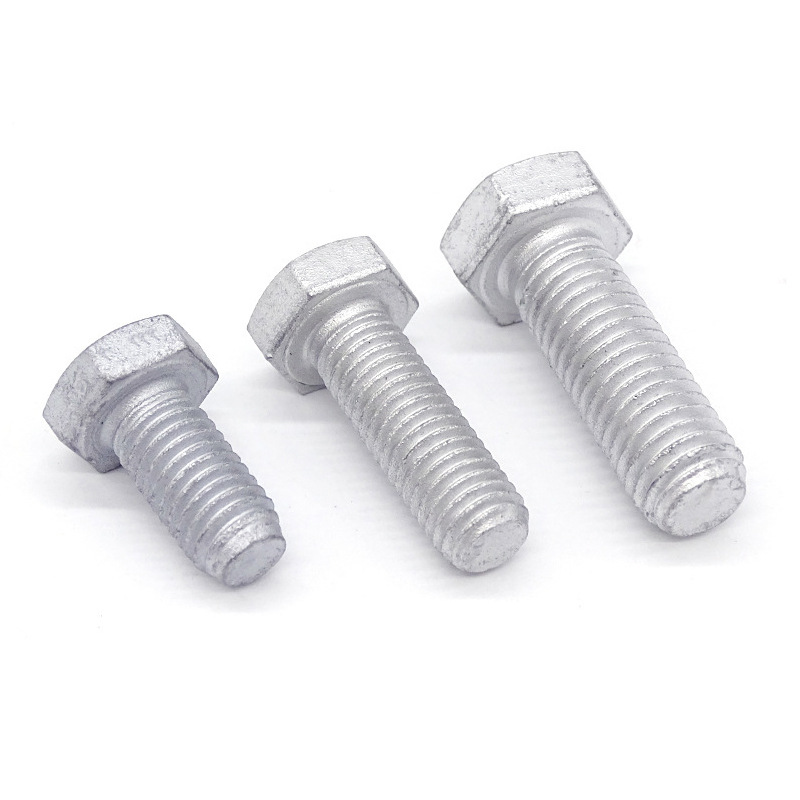
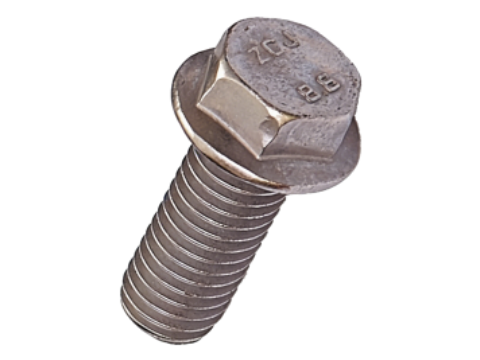
Standard Fasteners: Strictly follow international (e.g., ISO), national (e.g., GB), or industry standards. Specifications such as diameter, length, thread, and strength grade are clearly defined. For example, an M16×50 Grade 8.8 hex bolt fully complies with GB/T 3098.1, making it universally interchangeable across different enterprises. Lead times are short (typically 1-3 days), with unit prices ranging from 0.5 to 5 RMB.
-
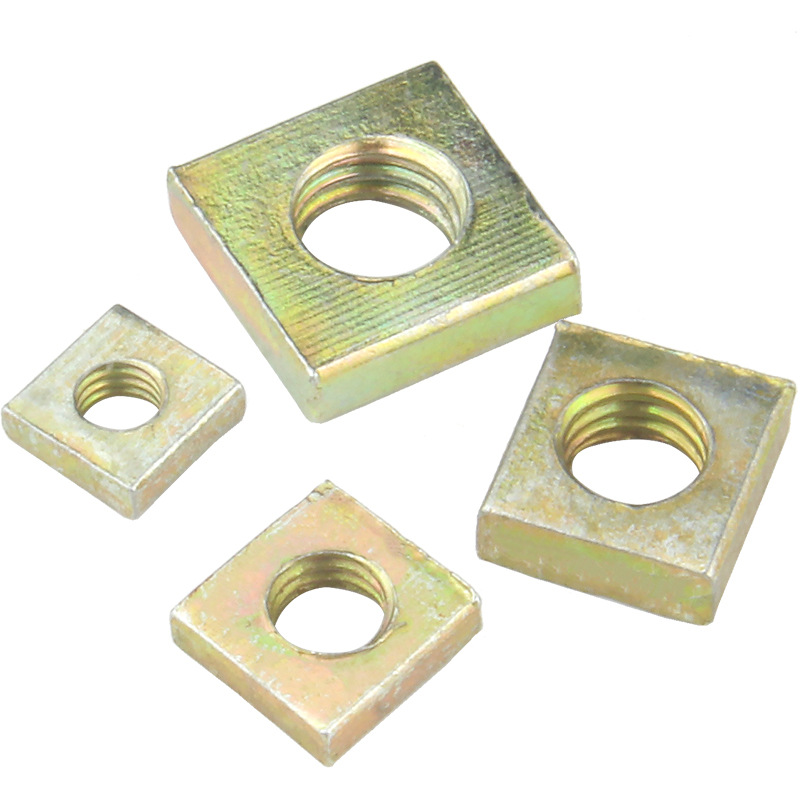
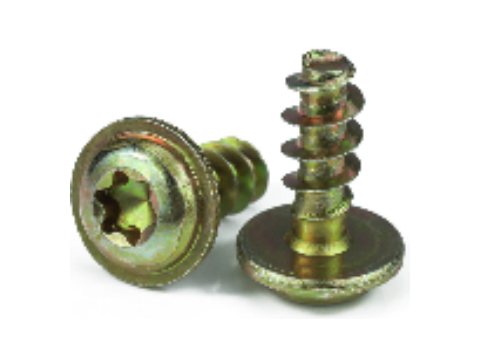
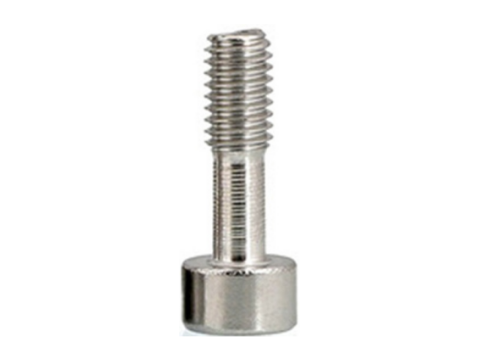
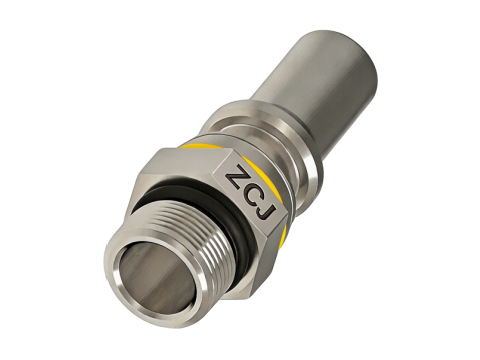
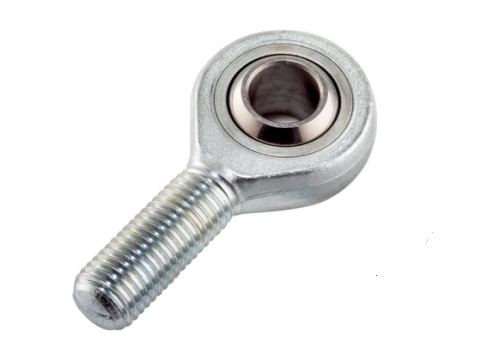
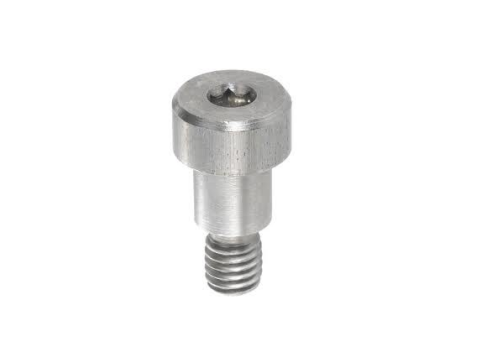
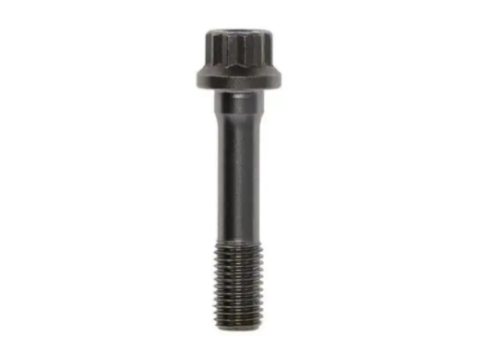
Custom Fasteners: Have no unified standards and must be tailored according to specific equipment drawings. For instance, irregular connecting bolts for new energy vehicle battery packs may feature non-standard threads, special head structures, or unique tail shapes, fitting only specific equipment models. The design cycle is longer (7-30 days), and unit prices typically range from 5 to 50 RMB or even higher.
2. Production Process and Cost Structure
-
Standard Fasteners: Produced through large-scale mass production. A single production line can yield millions of units annually, significantly reducing costs through standardized molds. For example, a standard bolt production line might achieve a per-ton production cost of around 8,000 RMB.
-
Custom Fasteners: Typically involve small-batch production requiring the separate design and fabrication of dedicated molds (mold opening fees range from 5,000 to 50,000 RMB). The manufacturing process is more complex, often involving multiple cold heading stages, machining, and specialized surface treatments, leading to per-ton production costs of 20,000 to 50,000 RMB. For example, custom miniature titanium alloy screws for medical devices, with a diameter of just 1.2mm requiring five-axis precision machining, can cost up to 50 RMB per piece—ten times that of standard screws made from the same material.
3. Targeted Application Scenarios
-
Standard Fasteners: Suitable for general connections, such as in building steel structures and ordinary machinery.
-
Custom Fasteners: Focus on meeting special requirements where standard parts fall short:
-
Space-constrained scenarios: Such as miniature irregular screws for drone fuselages (e.g., 3mm diameter, 10mm length, countersunk slotted structure).
-
Functionally integrated scenarios: Such as smart bolts with built-in sensors, featuring integrated temperature sensors and wireless transmission modules for wind turbine monitoring.
-
Extreme environment scenarios: Such as high-temperature resistant bolts for nuclear power plants, which must withstand 600℃ heat and radiation, utilizing special alloy materials. At the 2025 Shanghai Fastener Expo, Qitai Sensing showcased custom smart bolts now used by China General Nuclear Power Group for reactor pressure vessel connections, enabling real-time preload monitoring.
Four Key Considerations for Customizing Fasteners
1. Precise Transmission of Requirements
It is essential to provide suppliers with detailed drawings (including dimensional tolerances, geometric tolerances, and material requirements), operating environments (temperature, humidity, media), and load parameters (static/dynamic loads, preload requirements). Providing physical samples or 3D models of the equipment is recommended when necessary. Failure to clearly specify requirements—such as vibration load parameters—can lead to fatigue fractures during testing, resulting in significant financial losses (exceeding 100,000 RMB) for re-tooling.
2. Matching Materials and Processes
Select appropriate materials and processes based on performance needs:
-
High-strength requirements: Prioritize alloy steel combined with heat treatment.
-
Corrosion resistance: Choose stainless steel paired with Dacromet coatings.
-
High-precision requirements: Opt for titanium alloy processed via five-axis machining.
For example, Zhejiang Sijin Machinery utilized TC4 titanium alloy, rolled threads, and nano-coating processes for custom aviation bolts, successfully meeting dual demands for strength and lightweight design.
3. Cost Control Strategies
-
Optimize design: Reduce customization complexity by adhering to standard thread specifications whenever possible and avoiding heads with unusual angles.
-
Phased batch production: Conduct a small initial trial run (50-100 pieces) for validation before committing to full-scale mass production.
-
Negotiate mold sharing: Collaborate with suppliers to reuse existing molds, effectively lowering tooling costs.
By implementing these measures, one equipment manufacturer successfully reduced its custom fastener costs by 30%.
4. Comprehensive Full-Process Inspection
Implement a rigorous quality loop encompassing "sample inspection - batch sampling - final出厂全检":
-
Sample stage: Conduct tensile strength, hardness, and dimensional accuracy tests.
-
Batch production: Randomly sample at least 5% of each batch for fatigue testing.
-
Pre-shipment: Perform 100% AI visual inspection to screen for dimensional deviations and surface defects.
Dongguan Lizheng has established a robust custom inspection system, keeping the defect rate of its custom products below 0.1%.


 135-6073-0094