A Complete Guide to Fastener Forming Processes? This is a common technical question in fastener design and application. Understanding the relevant principles is essential for improving joint reliability and reducing failure risks.
Technically, this issue involves material selection, manufacturing processes, heat treatment, and surface treatment. The optimal solution varies under different conditions. For example, high-strength bolts require strict control of quenching and tempering parameters per ISO 898-1.
In practice: select appropriate strength grade based on load; understand friction coefficient effects on preload; choose appropriate locking methods (spring washers, thread locker, cotter pins); and periodically inspect torque on critical joints.
Toprecision's engineering team has extensive experience in cold forming, aluminum alloy fasteners, and micro screws. We provide comprehensive technical support from selection to application. Contact us with your specific questions.
1. Casting: Creating Basic Fastener Blanks
Casting is the initial step in fastener raw material processing. Its primary function is to melt metal raw materials into a liquid state, which is then poured into molds and cooled to form basic blanks suitable for subsequent processing. This method is ideal for mass-producing various fastener blanks, especially those with complex shapes and larger sizes for specialty fasteners.
The core process of casting is clear yet rigorous. First, suitable metal raw materials must be selected; common casting materials for fasteners include carbon steel, alloy steel, and stainless steel. Components are precisely proportioned based on product performance requirements to ensure raw material purity and prevent impurities from compromising blank quality. Next, the raw materials are fed into a furnace and heated. The temperature must be precisely controlled according to the material's properties—for instance, carbon steel casting requires heating to approximately 1500-1600℃ to ensure complete melting and the formation of uniform liquid metal.
After melting, the liquid metal undergoes purification to remove impurities and air bubbles, preventing defects like porosity and inclusions in the formed blanks. Once purified, the liquid metal is slowly poured into pre-designed molds that match the intended shape of the fastener blank. During pouring, the flow rate is controlled to prevent splashing or bubble formation. After pouring, the metal is allowed to cool naturally or under controlled conditions within the mold. Once cooled, the mold is dismantled to retrieve the preliminary fastener blank, which then undergoes grinding and trimming to remove surface burrs and flash, preparing it for subsequent drawing and forging.
The advantage of casting lies in its ability to mass-produce blanks with complex shapes, accommodating various fastener specifications at a relatively low cost. However, strict control over heating temperature, cooling rate, and mold precision is essential; otherwise, issues like blank deformation and internal defects may arise, affecting subsequent processing quality.
2. Drawing: Shaping Slender Fastener Preliminaries
Drawing is a common plastic deformation process in fastener manufacturing, primarily used to process bar or tubular raw materials into preliminaries for slender fasteners, such as bolt shanks and thin screws. The core principle involves applying external force to stretch the raw material, inducing plastic deformation to achieve the required length and diameter while simultaneously enhancing the material's tensile strength.
Prior to drawing, the cast blanks require pretreatment. Annealing is used to eliminate internal stresses within the blank and improve material plasticity, preventing defects like fractures or cracks during the drawing process. After pretreatment, the blank is secured in drawing equipment. Parameters such as pulling force and drawing speed are adjusted according to the finished dimensions of the fastener to ensure a stable and controllable process.
During drawing, external forces are slowly applied to both ends of the blank, causing it to elongate axially and contract radially until it reaches the preset dimensions. For slender fasteners requiring high precision, multiple drawing passes are necessary, with annealing performed after each pass to relieve internal stress generated during stretching and prevent work hardening or embrittlement. Upon completion, the products undergo preliminary inspection to check for uneven stretching, surface scratches, or cracks before moving to the next processing stage.
The key to drawing lies in precisely controlling the pulling force and speed. Excessive force can cause the blank to fracture, while insufficient force fails to achieve the desired dimensions. A drawing speed that is too fast leads to uneven plastic deformation, compromising product precision. This process is suitable for various slender fasteners, effectively improving tensile strength and surface smoothness to meet usage requirements.
3. Forming Processing: Refining Shapes to Meet Specifications
Forming processing is the core stage of fastener raw material processing, encompassing various techniques such as forging, stamping, and turning. Its purpose is to further process blanks (from casting or drawing) into specific shapes that meet finished product requirements—such as bolt heads, internal threads of nuts, and screw drive types—refining product dimensions to ensure compatibility with subsequent assembly needs.
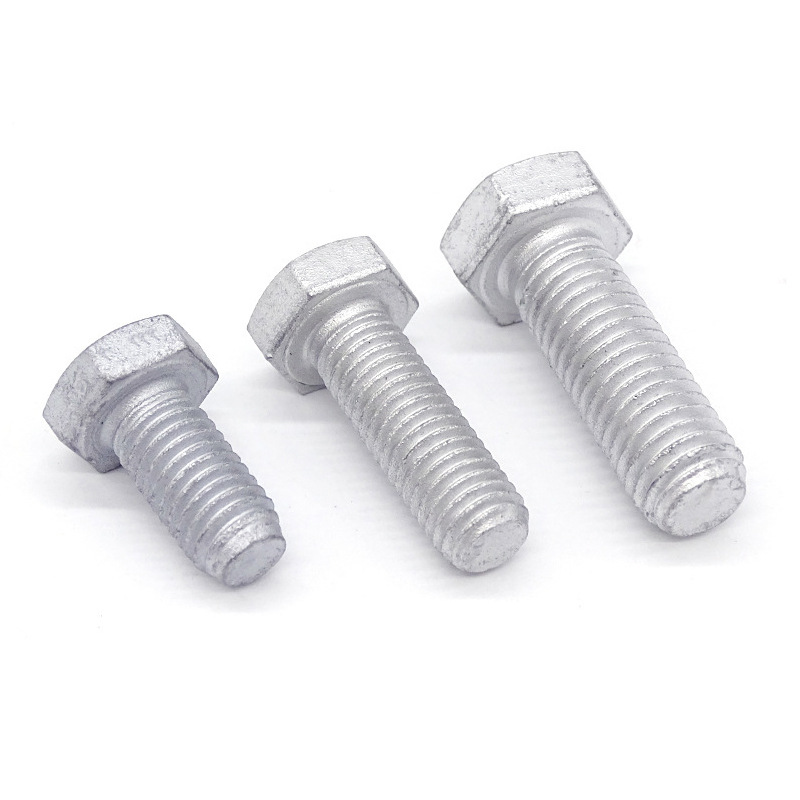
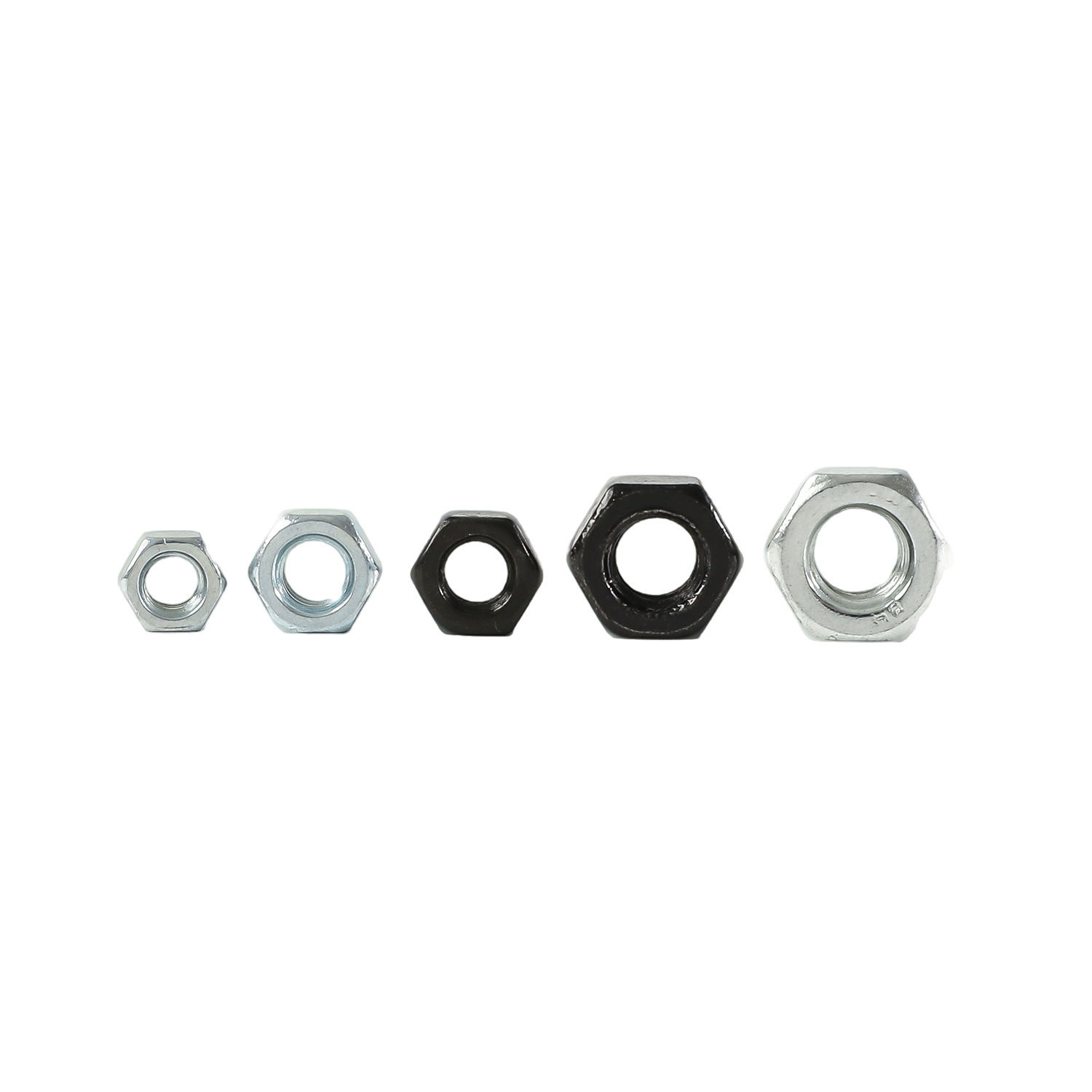
Forging is one of the primary methods for fastener forming, divided into hot forging and cold forging, suitable for shaping parts like bolt heads and nuts. Hot forging is mainly used for large fasteners or parts with complex shapes. The blank is heated to a softened state, and pressure is applied via a forging press to deform the blank within a mold, shaping the desired form (e.g., the head of a large bolt). Cold forging is suitable for the mass production of small fasteners, where blanks are forged at room temperature. It offers advantages of high efficiency, high precision, and high material utilization, such as in the heading of ordinary screws.
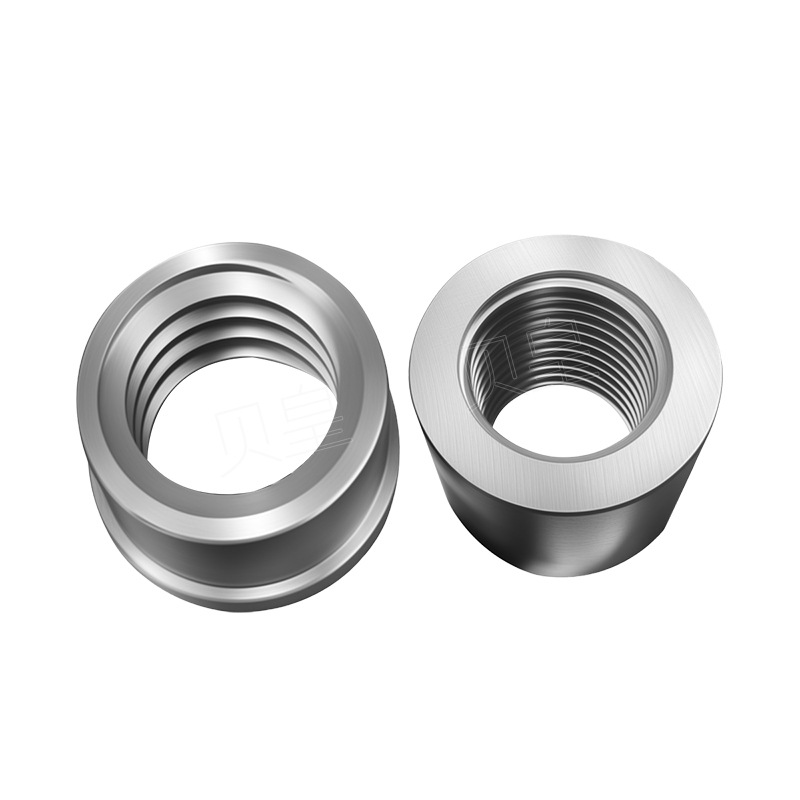
Stamping is primarily used for thin fasteners or detailed processing, such as washers and screw slot stamping. Through the coordination of punches and dies on stamping equipment, impact force is applied to the blank, causing plastic deformation for rapid forming. Turning is used for precision machining of fastener shanks, threads, and other areas. CNC lathes precisely control cutting speed and feed rates to machine blanks into accurate dimensions and shapes, ensuring regular threads and straight shanks to enhance product precision.
Additionally, forming processing includes processes like bending and shearing, flexibly selected based on the specific specifications and uses of the fasteners. During the process, process parameters and mold precision must be strictly controlled. Regular checks on mold wear and timely adjustments to equipment parameters are necessary to avoid forming deviations and surface defects, ensuring the shape and dimensions of fasteners comply with industry standards.
4. Quality Control and Industry Considerations
For the fastener industry, quality control in raw material forming is crucial, as it directly determines the performance and service life of the fasteners. Throughout the entire process of casting, drawing, and forming, a comprehensive quality control system must be established. First, raw material quality must be strictly managed to prevent unqualified materials from entering the processing stage. Second, all process parameters—such as casting temperature, drawing force, and forging pressure—must be precisely controlled to ensure process stability. Finally, intermediate products and finished goods must be rigorously inspected to identify defects promptly and prevent non-conforming products from proceeding to subsequent stages.
Simultaneously, forming processes should be reasonably selected based on the intended use and performance requirements of the fasteners. For small-batch fasteners, cold forging and stamping may be chosen, while hot forging and casting are suitable for large specialty fasteners. For fasteners with high precision requirements, additional finishing steps are necessary to enhance accuracy. With the development of the fastener industry, forming technologies are constantly upgrading. The application of CNC and automated equipment has further improved the efficiency and precision of forming, supporting the high-quality development of the sector.
In summary, the forming of fastener raw materials is a systematic process where casting lays the foundation, drawing shapes the preliminary form, and various forming techniques refine the final shape. Each link is interconnected and indispensable. Only by precisely controlling each process point and implementing robust quality control can raw materials be processed into various fasteners that meet requirements, providing reliable foundational components for mechanical connections, equipment manufacturing, and other fields.


 135-6073-0094