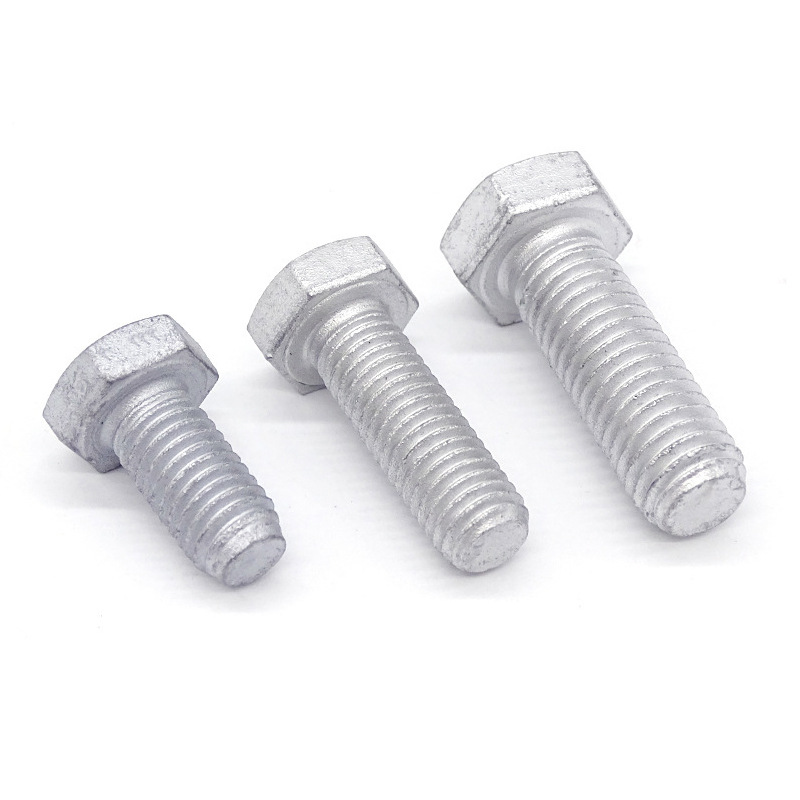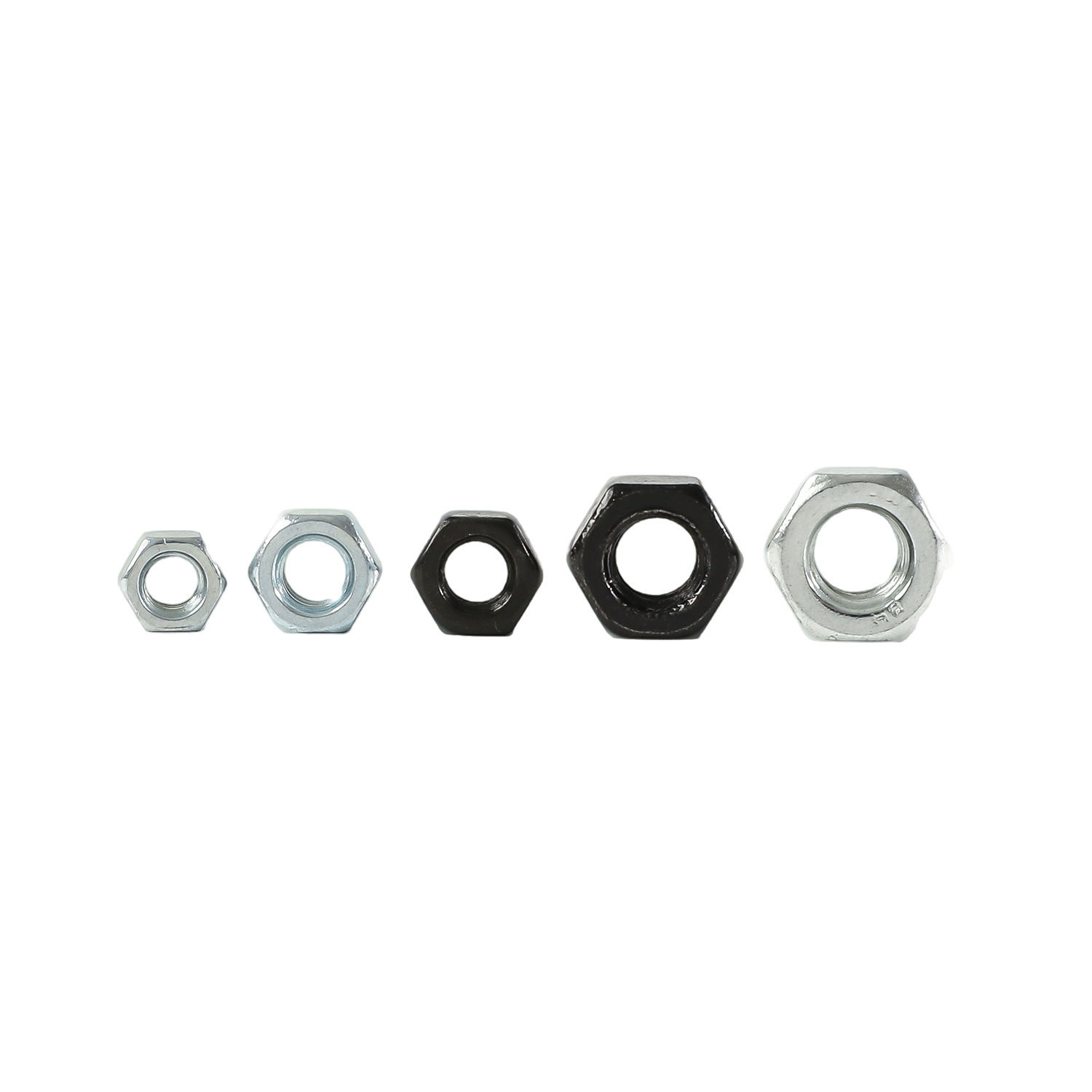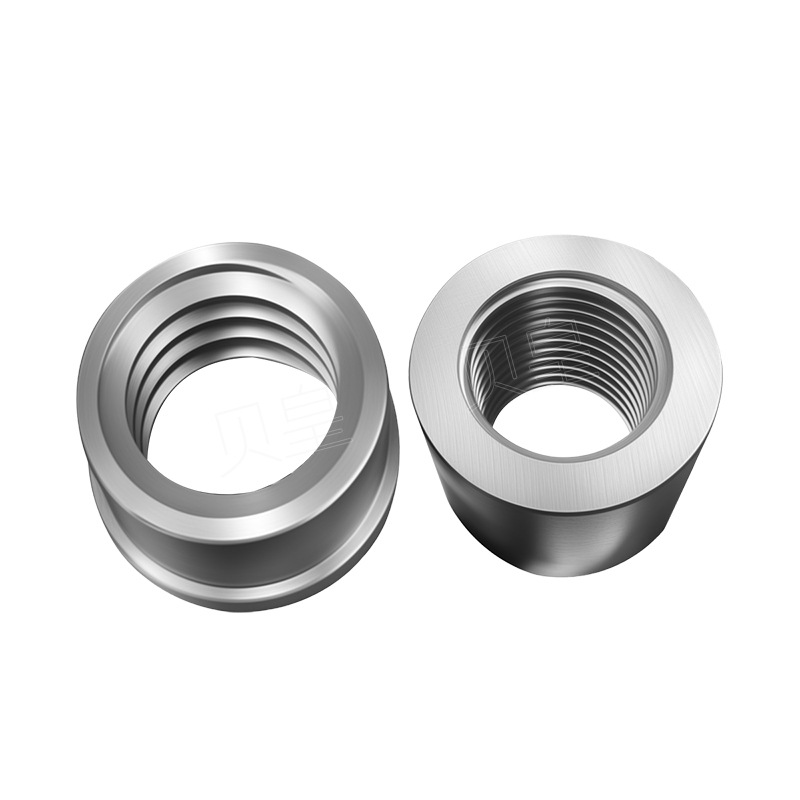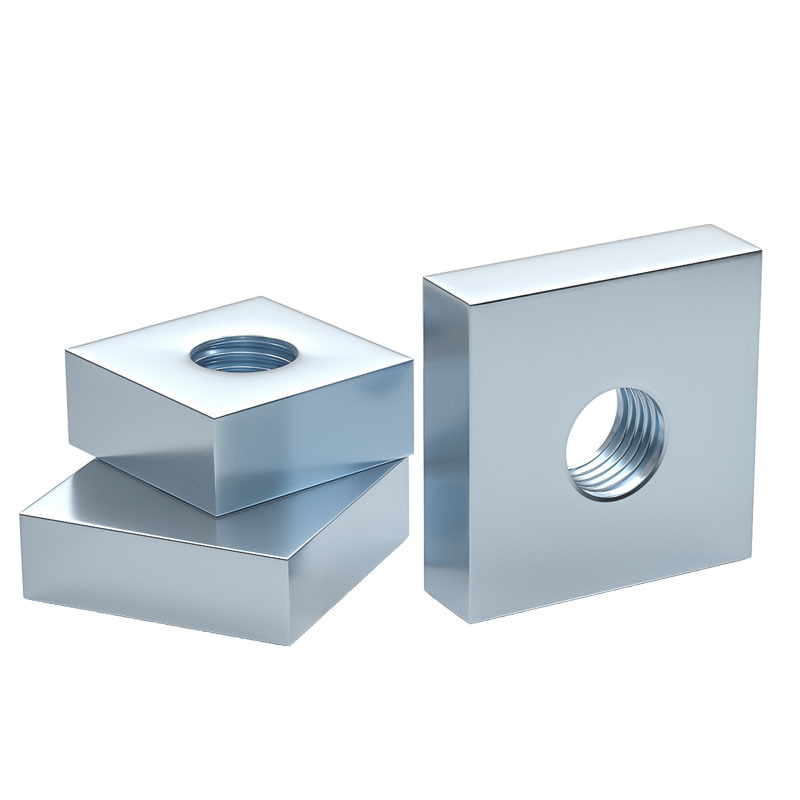

In the fastener industry, cold heading is known as the "core of forming." With advantages including high material utilization, fast production efficiency, and excellent product strength, it has become the preferred process for mass production of standard parts such as screws, bolts, and nuts. Unlike hot forging, cold heading uses metal plastic deformation at room temperature, preserving metal flow lines and improving fatigue resistance. Decades of practical experience from veteran technicians have produced essential techniques and precision control methods—critical for avoiding defects, improving product quality, and building core competitiveness.
I. Core Cold Heading Process: The "Three-Step Forming Method"
The essence of cold heading is precise force control and step-by-step forming. The "three-step method" applies to over 90% of standard fastener production, covering material pretreatment, pre-forming, and final forming.
Step 1 – Material Pretreatment: Choose appropriate cold heading steel (10B21, 15B33, 40Cr, etc.). Perform spheroidizing annealing to control hardness between HB110-HB130 for adequate plasticity. Key step: after annealing, pickling, phosphating, and saponification must be done—removing scale and creating a lubricating film that significantly reduces die wear and prevents cracking or jamming. Raw material straightness must be within 1mm/m, diameter tolerance within ±0.02mm.
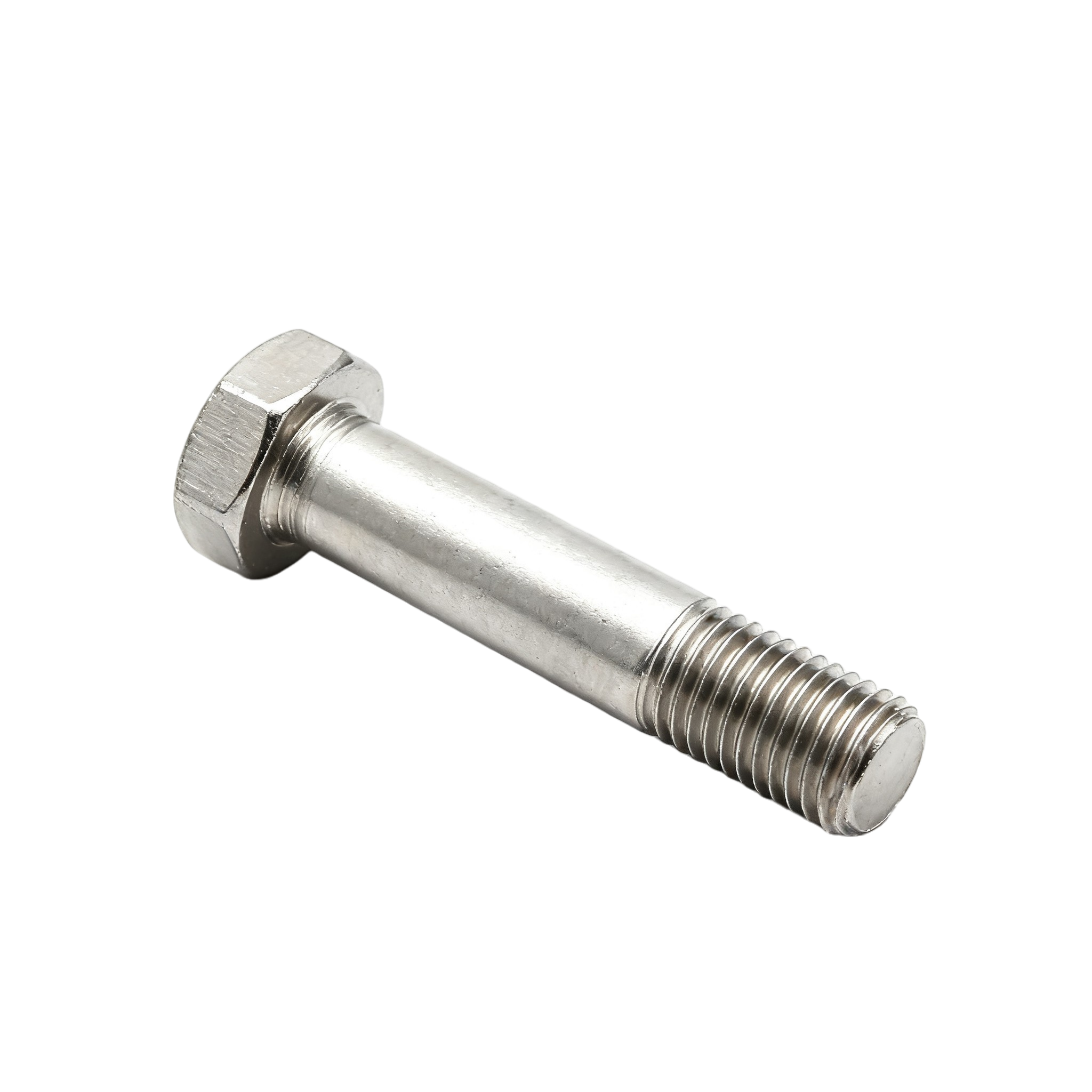
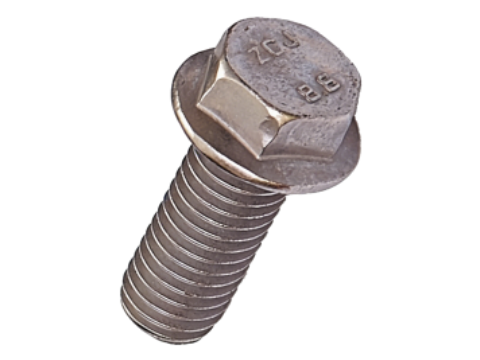
Step 2 – Pre-forming: Distribute deformation gradually through multiple stations. For hex head bolts, 2-3 pre-forming steps are typical: first upsetting the end into a cylinder, then gradually forming the hex shape. Control pre-forming deformation within 60% of material elongation. Position deviation between stations must not exceed 0.015mm to ensure even force distribution and avoid head underfill or shank bending.
Step 3 – Final Forming: Final forming die dimensions should be 0.03-0.05mm smaller than finished product size to allow for subsequent processing. After forming, immediately trim to remove flash. Trim die clearance should be 0.01-0.02mm, depending on material thickness, ensuring no burrs or edge collapse.
II. Die Selection & Maintenance: The Key to Precision Control
Precision in cold heading depends half on the dies. Die material, design accuracy, and daily maintenance directly determine fastener forming precision and production efficiency.
Die Material: For punch and die cores, choose high-speed tool steels like Cr12MoV or W6Mo5Cr4V2. After quenching and tempering, hardness must reach HRC58-HR62 for wear and impact resistance. For mass-produced ordinary fasteners, CrWMn offers better cost-effectiveness. For high-strength bolts, use carbide dies to withstand higher heading forces.
Die Design: Die cavities need rounded transitions to avoid stress concentration at sharp corners. Punch heads require draft angles of 1°-2° for easy part ejection. Multi-station cold heading machines must have cumulative coaxiality deviation within 0.02mm.
Daily Maintenance: Check die wear every 2 hours during production. Replace or repair immediately if scratches or edge wear appear. After shutdown, clean metal debris and oil from die surfaces with specialized cleaner, apply rust preventive oil, and store properly. Die assembly must be performed by qualified personnel.
III. Precision Control Tips: Avoiding Common Defects
The three most common defects in cold heading are dimensional deviation, head cracking, and shank galling.
Dimensional Deviation: Calibrate the cold header feed mechanism, keeping feed length tolerance within ±0.03mm. Measure finished dimensions with calipers or optical comparators every 4 hours. If deviation occurs, adjust die clearance or heading force promptly to meet GB/T 3098 standards.
Head Cracking: Control from material and process sides. Reject raw materials with inclusions or cracks. Avoid excessive upsetting in a single stroke—use multiple stations with progressive deformation. Ensure adequate lubrication to prevent dry friction. For minor cracking, reduce heading force or extend annealing time.
Shank Galling: Maintain saponification solution concentration and replace lubricant regularly. Polish die transition radii and remove any burrs or scratches from die surfaces.
The essence of cold heading lies in detail control and accumulated experience. These practical tips from veteran technicians directly solve production problems. For fastener companies, mastering these process points and precision control methods improves product quality, extends die life, reduces production costs, and builds competitive advantage.

粤ICP备2025493240号-1