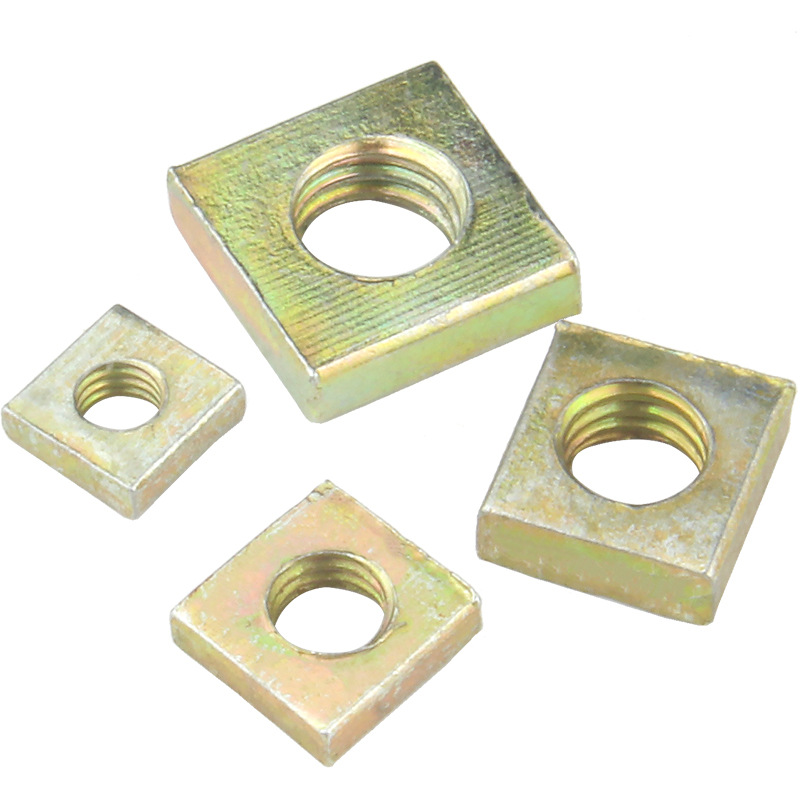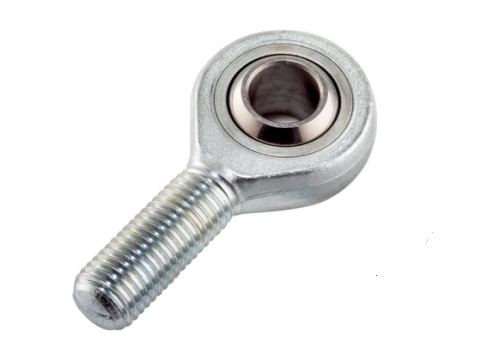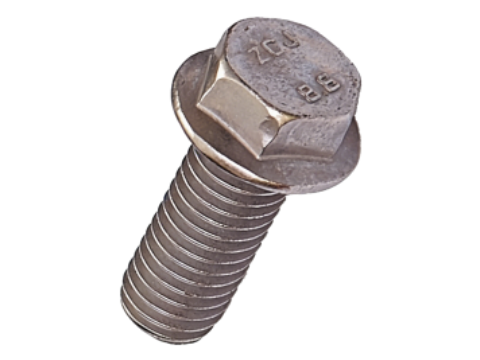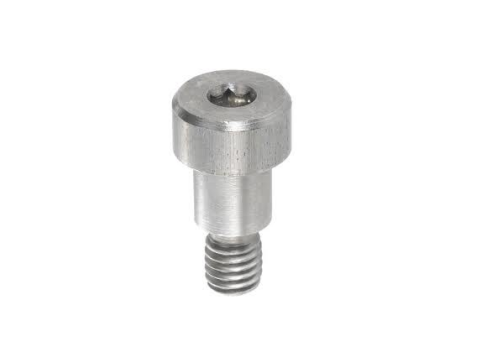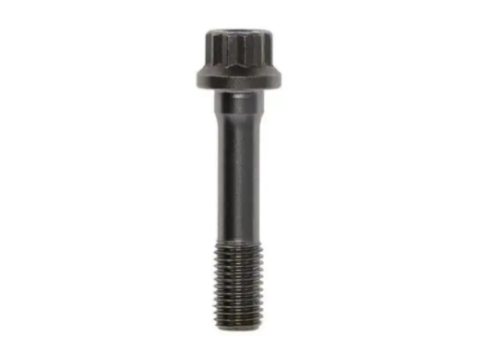

The saying "give your screws a bath" holds the key to long-term performance of stainless steel fasteners. As core components in industrial manufacturing, machinery, and construction, stainless steel fasteners are preferred for their excellent corrosion resistance. However, many overlook the critical step of cleaning. Seemingly minor dirt or rust spots not only affect appearance but also damage the corrosion-resistant surface layer, shorten service life, and can even cause loosening, failure, and safety hazards.
First, stainless steel is not "rust-proof forever." Its corrosion resistance comes from alloying elements like chromium and nickel. Chromium forms a dense chromium oxide passive film that isolates corrosive media, while nickel improves toughness, ductility, and stability. Proper cleaning and maintenance are essential.
Austenitic stainless steel is most common in fasteners, including grades 302, 304, 316, and 201 (low nickel). Each has different composition, corrosion resistance, and suitable applications—requiring different cleaning approaches.
Grade 302: Chromium 17%-19%, nickel 8%-10%. Good corrosion resistance and processability. Used for general indoor applications and mild humidity. Medium corrosion resistance requires regular cleaning to prevent rust.
Grade 304: Chromium 18%-20%, nickel 8%-12%. Most widely used grade. Better corrosion resistance than 302, resisting air, water, and neutral salt solutions. Found in building facades, appliances, new energy equipment, and food machinery. Even so, dirt and oil accumulation can damage the passive film if not cleaned.
Grade 316: Chromium 16%-18%, nickel 10%-14%, plus 2%-3% molybdenum. Superior corrosion resistance against seawater, acids, and alkalis. Used in marine engineering, chemical equipment, and medical devices. Still requires cleaning to remove contaminants.
Grade 201: Chromium 16%-18%, nickel only 3.5%-5.5%. Lower cost, used in indoor decoration and light-duty applications where corrosion resistance requirements are low. Weaker corrosion resistance makes regular cleaning especially important.
Why Cleaning Matters
Many mistakenly believe stainless steel fasteners "never rust" and need no cleaning. This leads to risks. Dirt and oil affect appearance—important for high-end equipment and precision instruments. Accumulated contaminants damage the passive film, leading to corrosion pits that reduce strength and can cause fracture or failure.
For example, in PV power stations, stainless steel fasteners exposed to dust, rain, and dew require regular cleaning. In food machinery, residual oil and impurities can contaminate food and accelerate fastener corrosion.
Scientific Cleaning Method
Principle: Choose cleaning methods and agents based on material grade and contamination level. Avoid strong corrosive reagents. Protect the passive film.
Step 1 – Pre-cleaning: Use a dry soft cloth or brush to remove loose dust and dirt. For crevices, use a blower or compressed air gun. This reduces subsequent cleaning difficulty.
Step 2 – Targeted cleaning based on contaminant type:
-
Dust and light water stains: Wipe with a soft cloth and clean water, then dry thoroughly.
-
Oil or grease: Use neutral detergent (dish soap, neutral soap solution). Dilute, wipe with a soft cloth, rinse with clean water, and dry.
-
Light rust: Use stainless steel-specific rust remover following instructions. Rinse with clean water, dry, and apply a thin layer of stainless steel anti-rust oil.
Step 3 – Precautions:
-
Never use steel wool, sandpaper, or abrasive tools—they scratch the surface and damage the passive film.
-
Never use hydrochloric acid, sulfuric acid, or other strong corrosive agents.
-
For grade 316 and other high-end fasteners, passivation treatment after cleaning further improves corrosion resistance.
-
Store cleaned fasteners in a dry, ventilated environment to avoid re-corrosion.
Cleaning Frequency by Material
-
Grade 201: Every 1–2 months (more frequent in humid or high-salt environments).
-
Grade 304: Every 3–6 months (more frequent for outdoor use).
-
Grade 316: Every 6–12 months, focusing on oil and dirt removal.
For Fastener Companies
Proper cleaning extends product life, improves quality, and enhances competitiveness. During production, implement cleaning controls to ensure products are free of stains and rust before shipping. After sales, provide customers with cleaning and maintenance guides. Consider developing dedicated cleaning products matched to different stainless steel grades.
Cleaning stainless steel fasteners may seem minor, but it directly affects performance, service life, and safety. Understanding the characteristics of different stainless steel grades and mastering scientific cleaning methods allows full utilization of corrosion resistance, extends service life, ensures safe and stable operation of equipment and projects, and supports high-quality development of the fastener industry.

粤ICP备2025493240号-1