
One-stop Fastener
Custom Manufacturing Expert

Fastener Selection Guide for PV and Wind Power

[Abstract]:As the new energy industry rapidly expands, PV and wind power–core sectors of clean energy–continue to see growing installed capacity.
Fastener Selection Guide for PV and Wind Power

As the new energy industry rapidly expands, PV and wind power – core sectors of clean energy – continue to see growing installed capacity. PV mounting structures and wind turbine towers, as the primary support components, are exposed outdoors for extended periods, enduring wind loads, rain, snow, temperature fluctuations, salt spray erosion, and other harsh conditions. Their connection reliability directly determines the safe operation and service life of new energy equipment. Fasteners, as the core connecting components, make proper selection and performance stability critical to ensuring long-term reliable operation.

Compared with general industrial applications, fasteners for PV mounts and wind towers have distinct requirements: strong corrosion resistance to withstand outdoor moisture, salt spray, and UV exposure; high load capacity to bear equipment weight, wind loads, and ice and snow loads – especially for wind towers subjected to large alternating wind loads, demanding high strength and fatigue performance; good anti-loosening performance, as outdoor vibration can easily loosen fasteners; and long service life, matching the 20-25 year design life of new energy equipment to reduce maintenance costs. Based on these requirements, specialized fasteners must be selected according to application characteristics.

Part 1: Specialized Fasteners for PV Mounting Structures

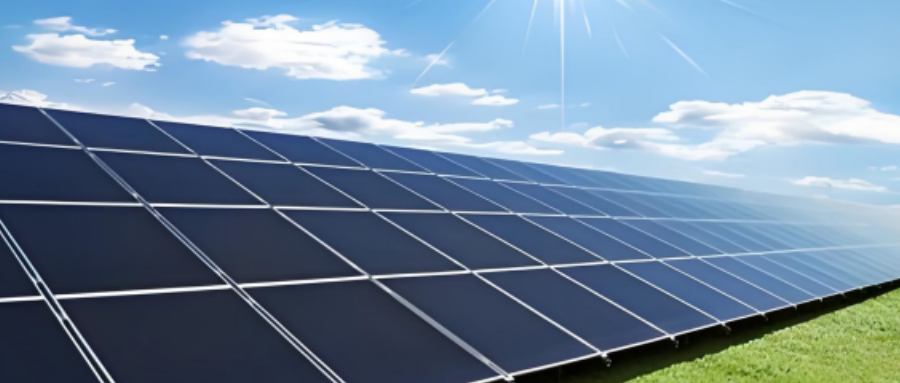
PV mounting structures secure PV modules, including ground mounts, roof mounts, and tracking systems. Each type has slightly different load conditions and installation environments, but core requirements remain consistent: high corrosion resistance, wind load capacity, easy installation, and long life.

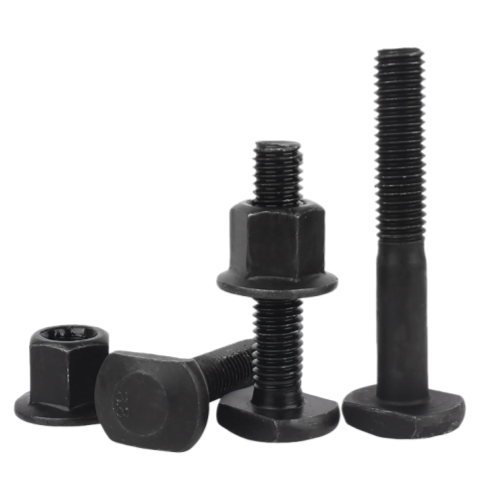
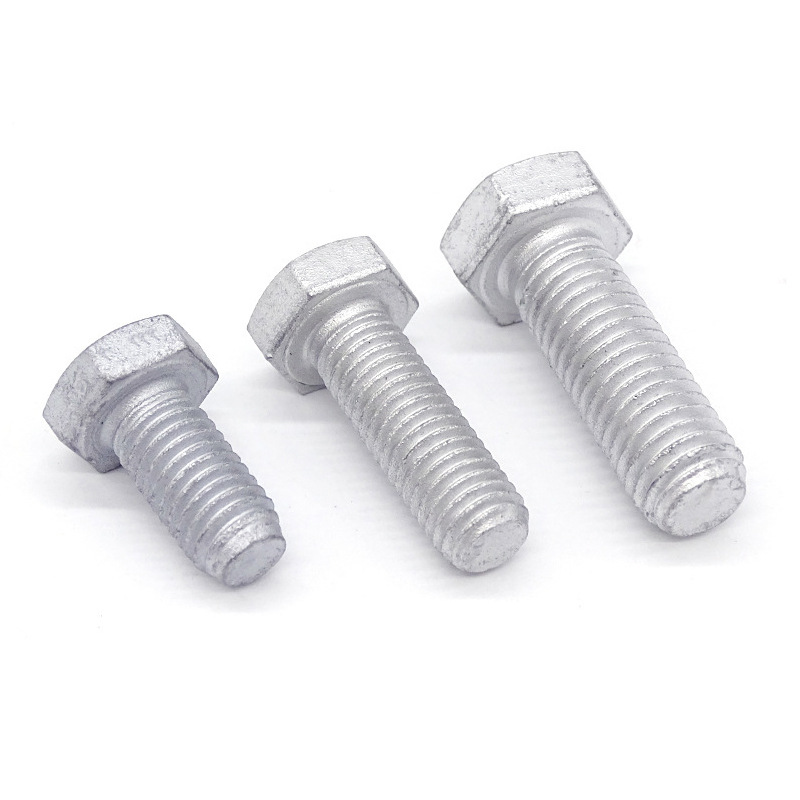
Common PV fasteners include high-strength bolts, stainless steel bolts, self-tapping screws, expansion bolts, and anchor bolts – with high-strength and stainless steel bolts most widely used. High-strength bolts connect main beams, columns, and diagonal braces, bearing structure weight, module weight, wind loads, and ice and snow loads. They require high tensile and fatigue performance, commonly in 8.8 and 10.9 grades. For outdoor exposure, hot-dip galvanizing is the most widely used surface treatment, with coating thickness of 80-150μm, providing excellent corrosion resistance against moisture, salt spray, and weathering for over 20 years. Dacromet treatment is another option, offering good salt spray performance and low hydrogen embrittlement risk, suitable for high-strength bolts in hydrogen-sensitive applications.

Stainless steel bolts connect PV modules to structures and secondary connections. Common materials are 304 and 316 stainless steel. Grade 304 offers good cost-performance, suitable for inland areas without significant salt spray exposure. Grade 316 contains molybdenum, providing stronger salt spray and corrosion resistance for coastal areas, seaside projects, and chemical parks. For seaside PV projects – especially near coastlines – grade 316 is preferred to ensure service life matches equipment requirements.

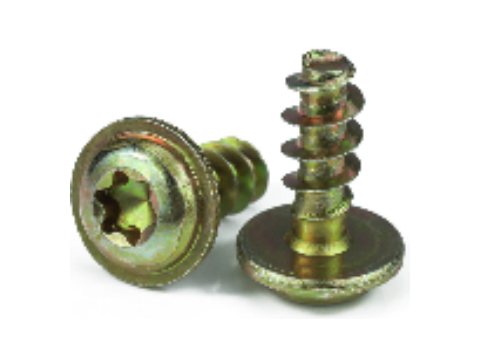
Self-tapping screws connect module frames to structures, requiring good self-tapping ability and fastening performance. Stainless steel with passivation or zinc plating is common. Expansion bolts and anchor bolts connect ground or roof mounts to foundations, requiring strong anchoring force for vertical and horizontal wind loads. Selection should consider foundation material (concrete, steel structure) and load magnitude, choosing appropriate chemical or mechanical anchors to ensure reliable anchoring.

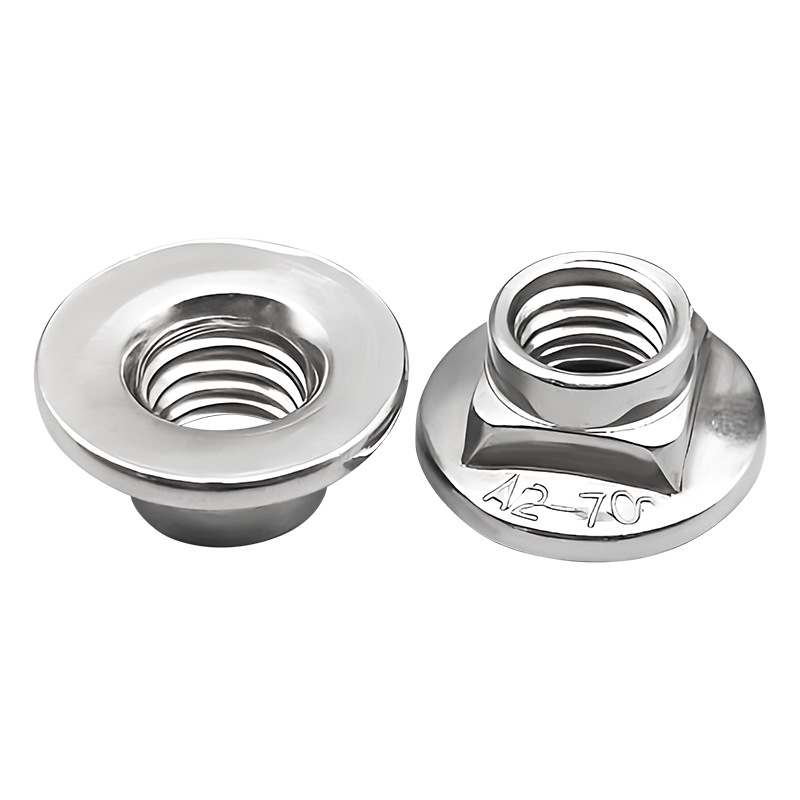
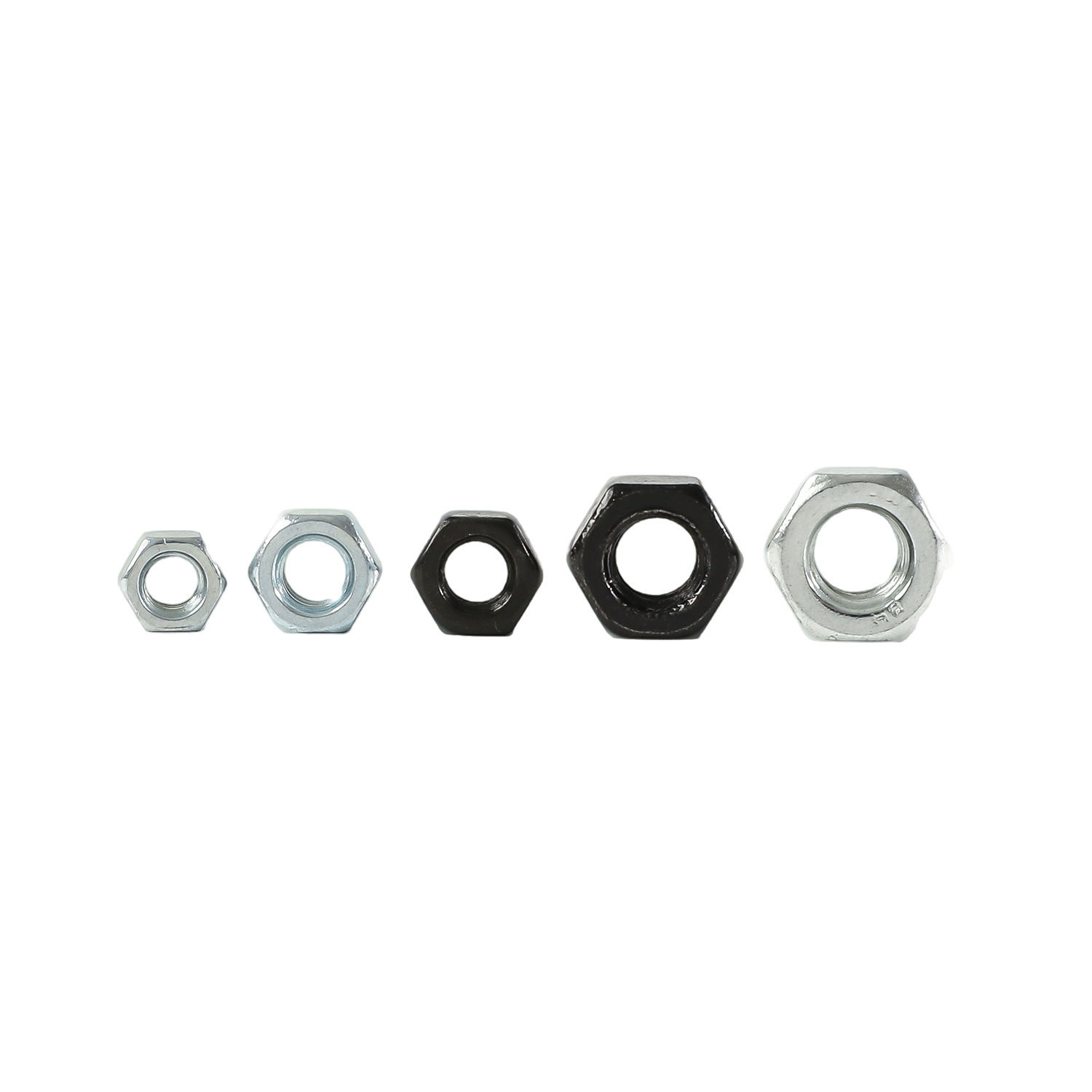
PV fasteners also require anti-loosening measures and auxiliary components. Common anti-loosening measures include anti-loosening washers (toothed or disc spring washers), nylon-insert lock nuts, and thread locking compound. Toothed washers provide friction-based locking, suitable for high-vibration applications. Nylon-insert nuts are reusable, ideal for assemblies requiring repeated disassembly. Thread locking compound suits one-time connections with reliable anti-loosening at low cost. Auxiliary components: flat washers increase bearing area, protecting structure surfaces while improving connection stability; spring washers assist anti-loosening, compensating for insufficient preload.

PV fastener selection should also consider installation convenience and economy. Large-scale PV projects require many fasteners, so standardized, common products are preferred for batch purchasing and installation. Within performance requirements, choose cost-effective fasteners to control project costs. For example, inland ground PV mounts use hot-dip galvanized high-strength bolts for core connections and 304 stainless steel bolts for secondary connections, with toothed washers – meeting corrosion, wind, and anti-loosening requirements while controlling costs.

Part 2: Specialized Fasteners for Wind Turbine Towers

Wind turbine towers are core support structures reaching tens to hundreds of meters in height, continuously subjected to large wind loads, turbine weight, rotational loads, and other alternating loads. Requirements for fastener strength, fatigue performance, corrosion resistance, and anti-loosening are far higher than for PV mounts. Fasteners are among the most critical vulnerable components – failure can cause tower collapse and major accidents. Specialized high-strength, high-reliability fasteners are mandatory.

Common wind tower fasteners include high-strength large hex head bolts, torsion-shear high-strength bolts, anchor bolts, and tower flange connection bolts. Flange connection bolts and anchor bolts are core components, directly determining connection reliability and overall stability.

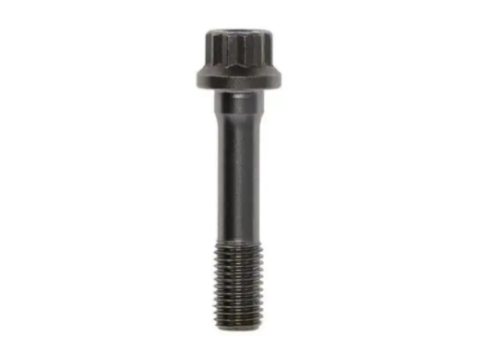
Tower flange connection bolts connect tower sections, bearing large axial, radial, and alternating loads. They require very high tensile strength, fatigue performance, and impact toughness, commonly in 10.9 or 12.9 grades. Some high-end projects use 14.9 grade. For outdoor exposure – especially coastal or plateau areas – flange bolts require top-tier corrosion protection. Mainstream treatment is hot-dip galvanizing plus sealing, with coating thickness at least 100μm. Sealing further improves salt spray and UV resistance, matching tower service life (20-25 years). Some high-end projects use Dacromet plus sealing, offering low hydrogen embrittlement risk and excellent salt spray performance – suitable for grade 12.9 and above.

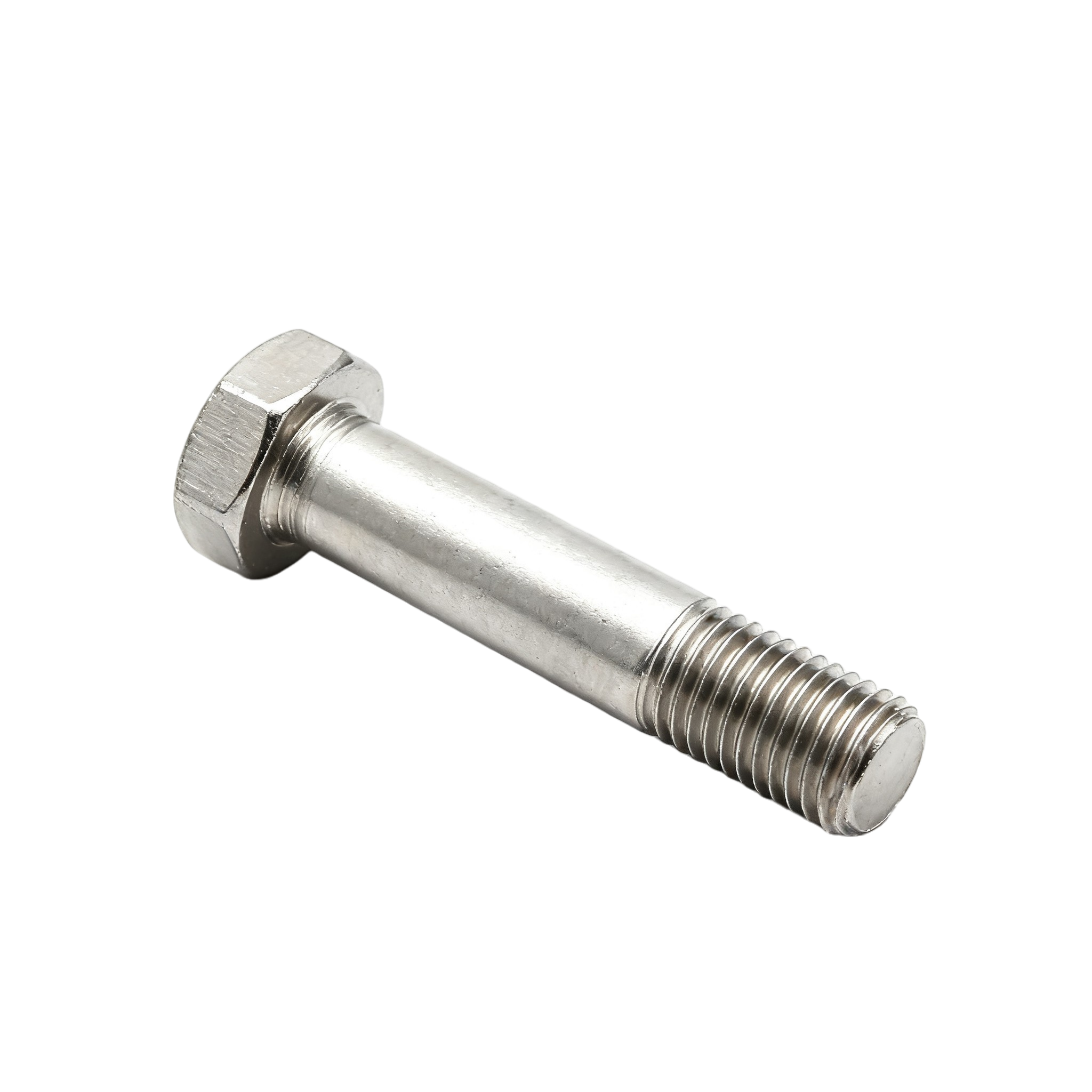
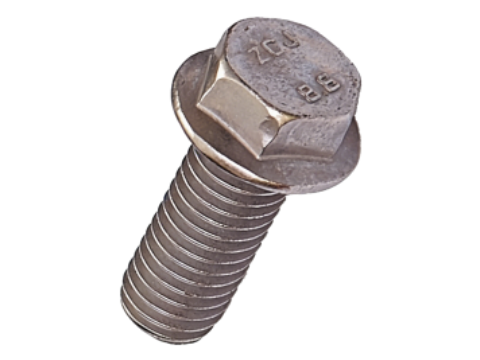
Large hex head bolts and torsion-shear bolts are the two main types for flange connections. Hex head bolts use torque control for preload, requiring dedicated torque wrenches – more difficult to install but highly versatile, suitable for various towers. Torsion-shear bolts use a splined end that shears off at final preload – installation is intuitive and convenient, quality is easily controlled without complex torque inspection, widely used in large wind projects to improve installation efficiency and connection quality.

Anchor bolts connect the tower to its foundation, securing the tower to concrete, bearing full tower weight, wind loads, and alternating loads. They require very strong anchoring force, tensile strength, and fatigue performance. Wind tower anchor bolts include embedded and post-installed types, with embedded bolts most widely used – placed during concrete foundation construction to form an integral, reliable anchorage. Anchor bolt material is typically high-strength alloy structural steel, strength grade not less than 10.9, with hot-dip galvanizing. Some projects apply anti-corrosion coatings on embedded portions to further improve resistance against underground moisture and soil corrosion.

Wind tower fasteners also require dedicated anti-loosening and anti-corrosion auxiliary components. Under high-frequency vibration environments, flange bolts have very high anti-loosening requirements. Common measures include double nuts, disc spring washers, and thread locking compound. Disc spring washers are most widely used – they effectively compensate for preload loss, resist vibration-induced loosening, and cushion alternating load impacts, extending bolt life. Sealing gaskets at flange connections prevent rain and dust ingress while improving sealing and stability, avoiding crevice corrosion.

Wind tower fastener selection must also consider fatigue performance and compatibility. Under long-term alternating loads, fastener fatigue life directly determines equipment reliability. Select products validated by fatigue testing to ensure fatigue life meets design requirements. Fastener specifications and dimensions must precisely match tower flanges and foundation components – dimensional deviations cause loose connections, uneven loading, and failure. Wind project maintenance is difficult and costly, so select high-reliability, long-life fasteners to reduce maintenance frequency and costs.

Conclusion

For both PV and wind applications, the core selection principle is matching operating conditions, prioritizing performance while considering economy. Evaluate project environment (inland, seaside, plateau), load conditions, and installation requirements. Select appropriate material, strength grade, surface treatment, and anti-loosening measures. Strictly control fastener quality – choose products meeting national and industry standards, avoiding substandard fasteners. During installation, strictly follow specifications and control tightening torque to ensure reliable connections. Conduct regular post-installation inspection and maintenance, addressing corrosion and loosening promptly – ensuring long-term stable operation of PV and wind equipment and supporting high-quality development of the new energy industry.

Professional consultant team online, ready to provide solutions for you

Contact Now
WeChat

WeChat

Scan to add WeChat

Long press to scan

Service