Analysis and Application of Cold Heading (Extrusion) Technol? This is a common technical question in fastener design and application. Understanding the relevant principles is essential for improving joint reliability and reducing failure risks.
Technically, this issue involves material selection, manufacturing processes, heat treatment, and surface treatment. The optimal solution varies under different conditions. For example, high-strength bolts require strict control of quenching and tempering parameters per ISO 898-1.
In practice: select appropriate strength grade based on load; understand friction coefficient effects on preload; choose appropriate locking methods (spring washers, thread locker, cotter pins); and periodically inspect torque on critical joints.
Toprecision's engineering team has extensive experience in cold forming, aluminum alloy fasteners, and micro screws. We provide comprehensive technical support from selection to application. Contact us with your specific questions.
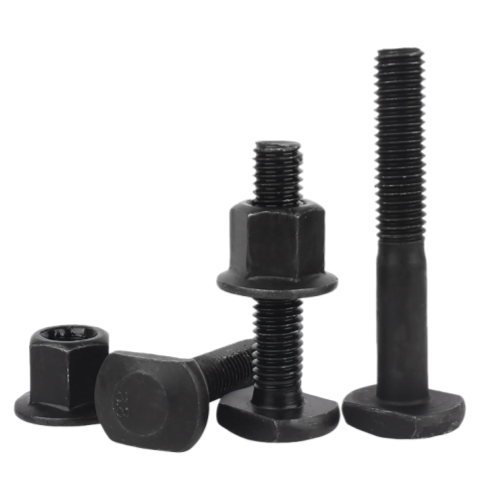
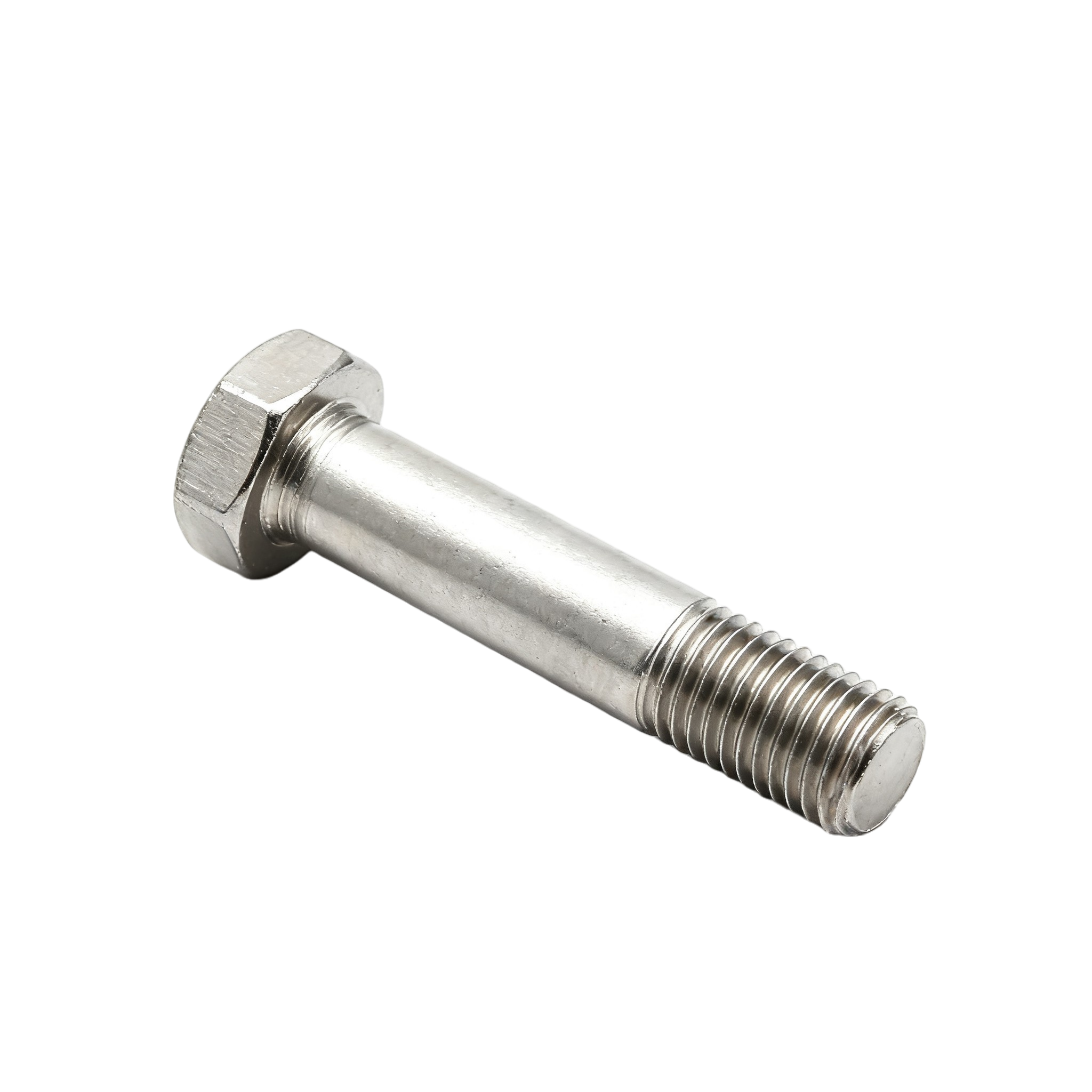
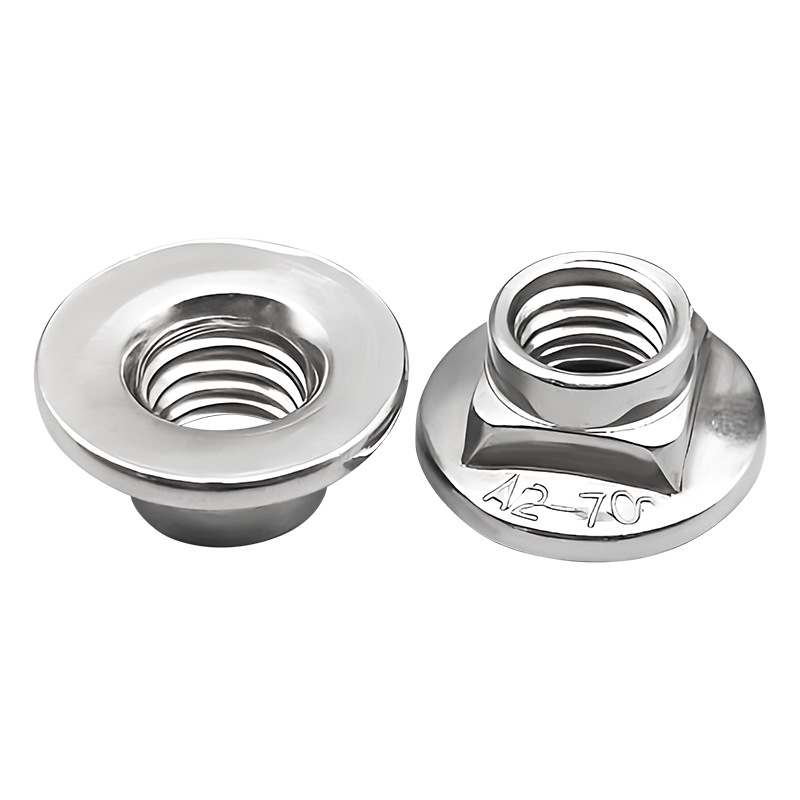
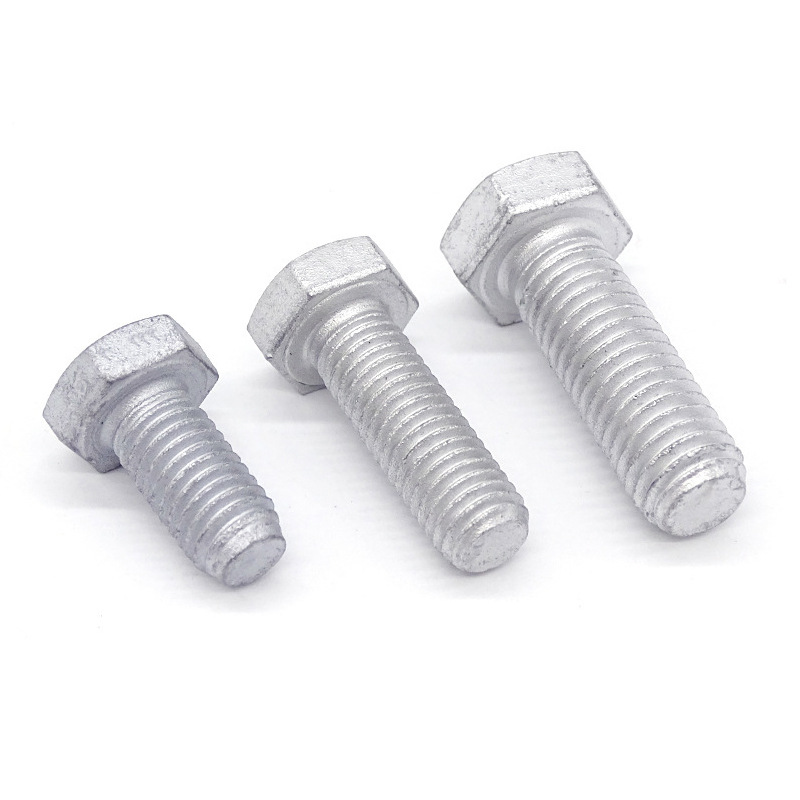
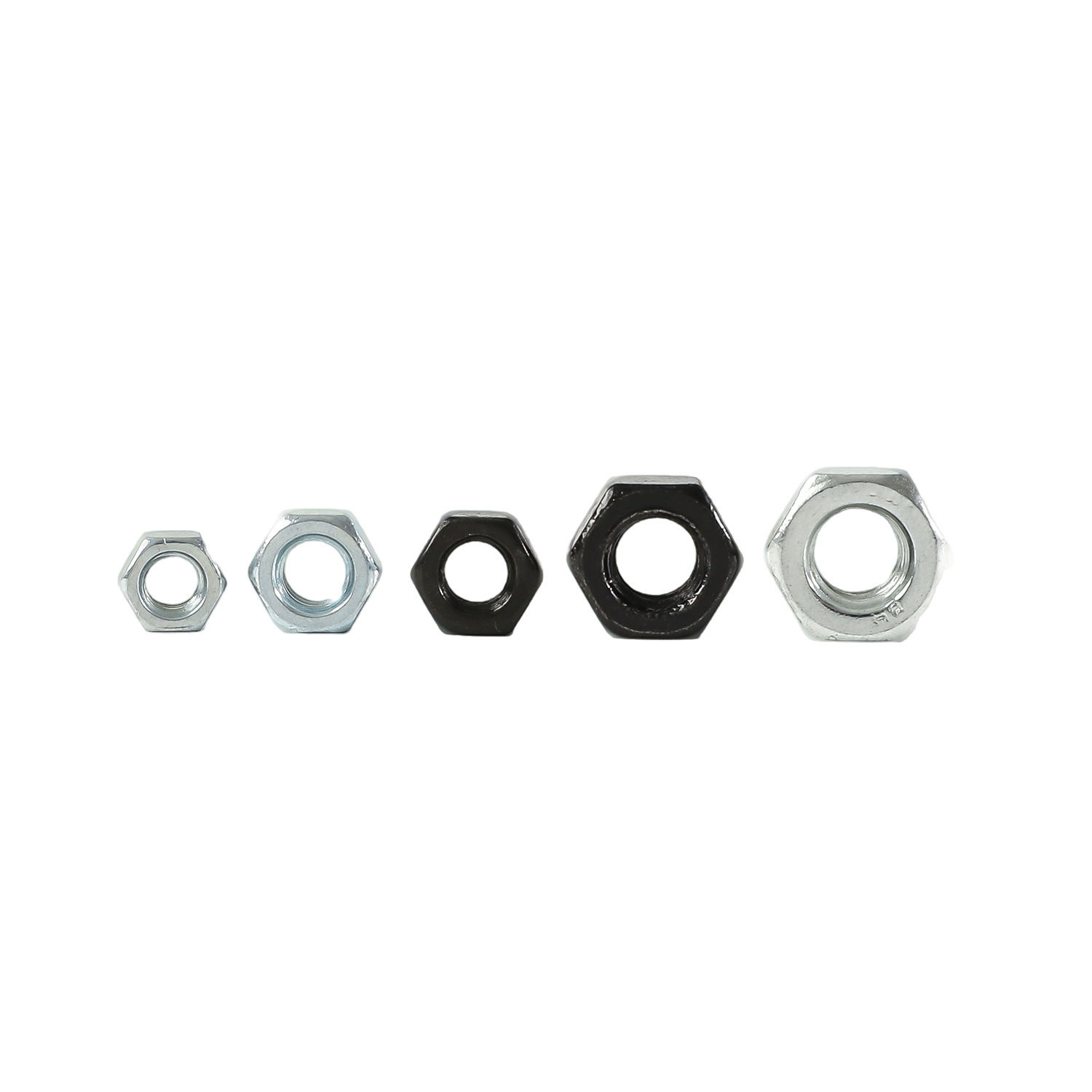
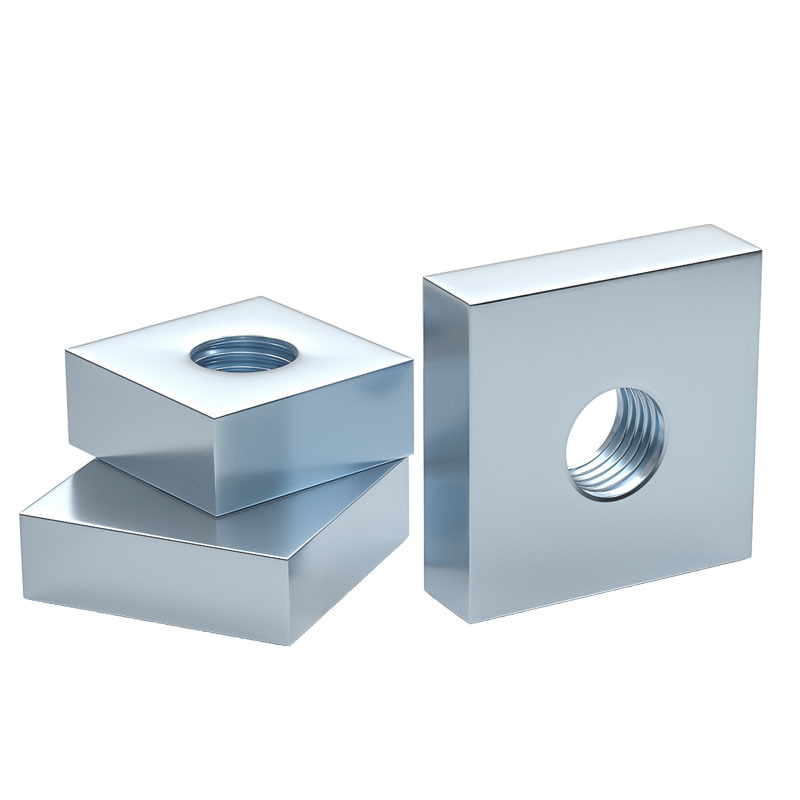
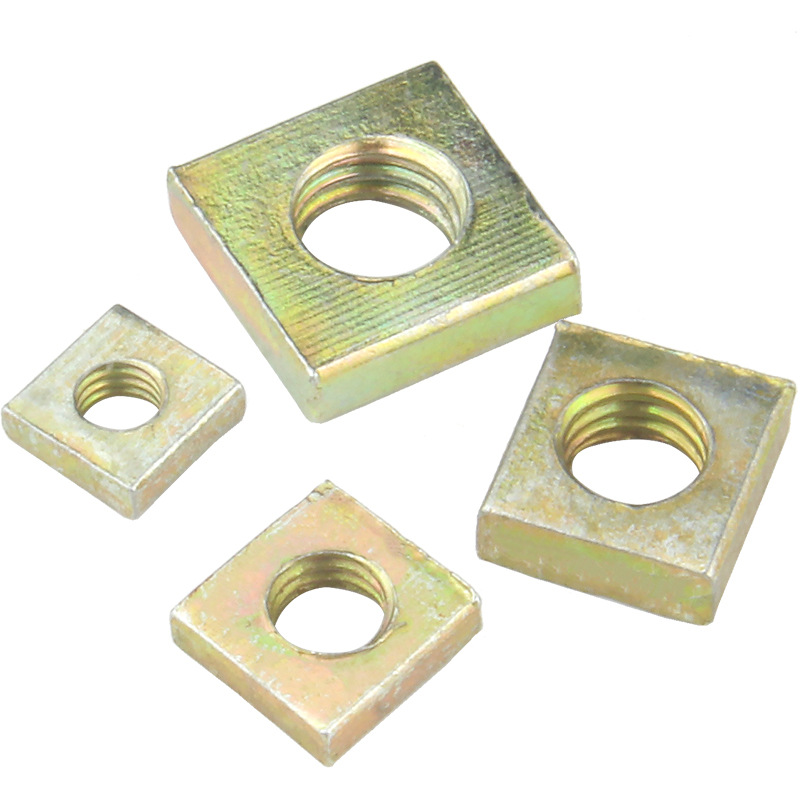
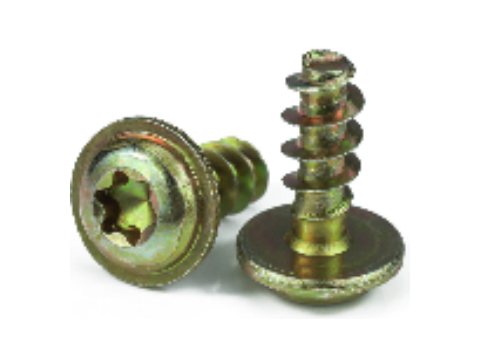
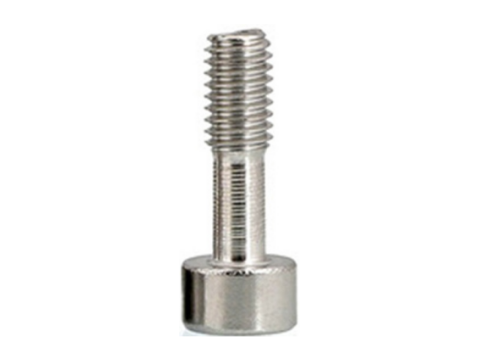
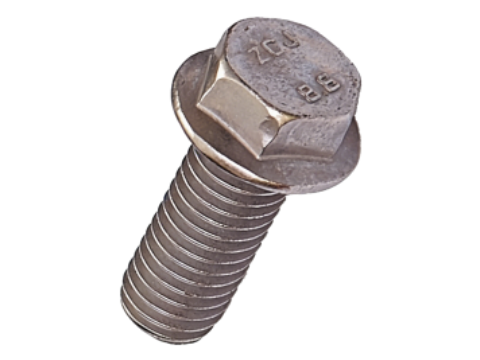
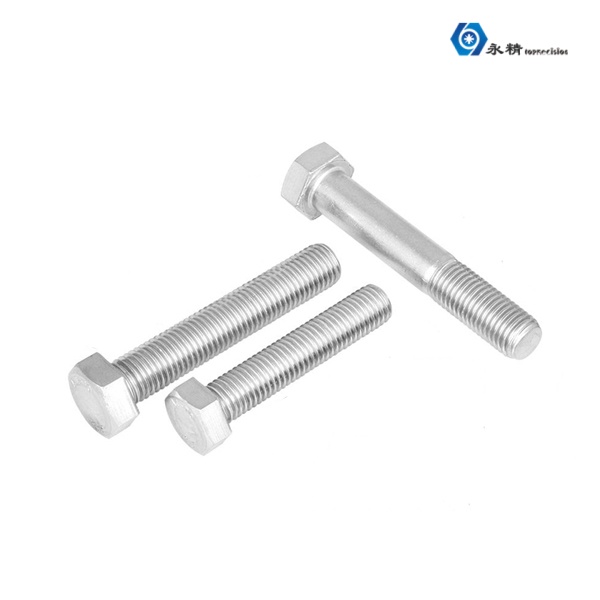
In the field of fastener manufacturing, cold heading (extrusion) technology holds an irreplaceable position, making it especially suitable for the mass production of standardized parts such as bolts, screws, nuts, and rivets. Taking common M5-M16 bolts as an example, the cold heading process utilizes a multi-station cold heading machine to achieve continuous processing of "blank cutting - head upsetting - thread rolling." The entire process requires no secondary cutting, which not only reduces processing steps but also keeps the internal metal fibers continuously distributed. Compared to machined bolts, cold-headed bolts can see their tensile strength increased by 15%-30% and their fatigue life extended by over 20%.
From a historical perspective, the evolution of cold heading (extrusion) technology is closely intertwined with industrial demands. In the late 19th century, with the rise of the machinery manufacturing industry, the cold heading process was initially applied to simple fastener production but was limited by equipment capabilities to processing only small-sized parts. By the mid-20th century, the rapid development of the automotive industry drove breakthroughs in cold heading technology. The advent of multi-station cold heading machines enabled "single feeding, multi-step forming," increasing processing efficiency from an initial 10-20 pieces per minute to 50-200 pieces per minute. Entering the 21st century, intelligent technology has further empowered the cold heading process. The application of CAD/CAM mold design systems, automated feeding devices, and in-line inspection equipment has brought cold heading accuracy within ±0.01 mm while enabling 24-hour continuous production, meeting the precision and large-scale demands of high-end manufacturing.
The advantages of the cold heading (extrusion) process are highly significant. First, it boasts a high material utilization rate. While traditional cutting processes typically achieve only 60%-70% material utilization, cold heading can reach 85%-95%. For precious metals like copper and stainless steel, this drastically reduces production costs. Second, the mechanical properties of the parts are excellent. After cold heading plastic deformation, the metal grains are refined, and the fiber direction aligns with the direction of force, significantly enhancing impact and fatigue resistance, making it ideal for load-bearing fasteners. Third, production efficiency is exceptionally high. Multi-station cold heading machines can integrate multiple processes such as cutting, upsetting, extrusion, punching, and rolling, shortening the processing cycle for a single part to just 3-10 seconds, far surpassing traditional cutting methods.
However, the cold heading (extrusion) process also has certain limitations. First, it has strict requirements for blank material. Materials must possess good toughness and low impurity content, and blanks typically require spheroidizing annealing to reduce hardness to HB100-150; otherwise, cracking is likely to occur. Second, mold costs are relatively high. Cold heading molds must withstand extreme pressure and friction and are usually made from high-speed steel or cemented carbide. The custom cost for a single mold can reach tens of thousands of yuan, and its service life is heavily influenced by the processed material. Finally, processing complex-shaped parts is restricted. For irregularly shaped fasteners, multiple cold heading steps combined with subsequent processing are often required, making single-step forming difficult.
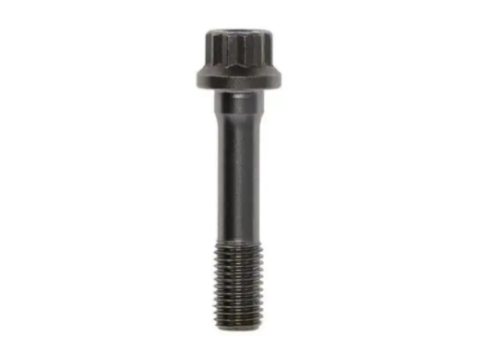
In actual production, cold heading is often complementary to hot heading and warm heading, with clear differences in process characteristics among the three. Regarding processing temperature, cold heading is performed at ambient temperature; hot heading requires heating the metal above its recrystallization temperature (e.g., 800-1200℃ for steel); and warm heading falls in between (300-600℃). In terms of material adaptability, cold heading is suitable for easily deformable materials like low-carbon steel and copper alloys; hot heading can process difficult-to-deform materials like high-strength alloy steel; and warm heading balances deformation difficulty with property retention, making it suitable for medium-carbon alloy steel. From an application scenario perspective, cold heading is mostly used for the mass production of standard fasteners, hot heading is suitable for heavy-duty parts like large bolts and flanges, and warm heading is used for medium-complexity parts requiring both precision and mechanical performance, such as automotive engine connecting rod bolts.
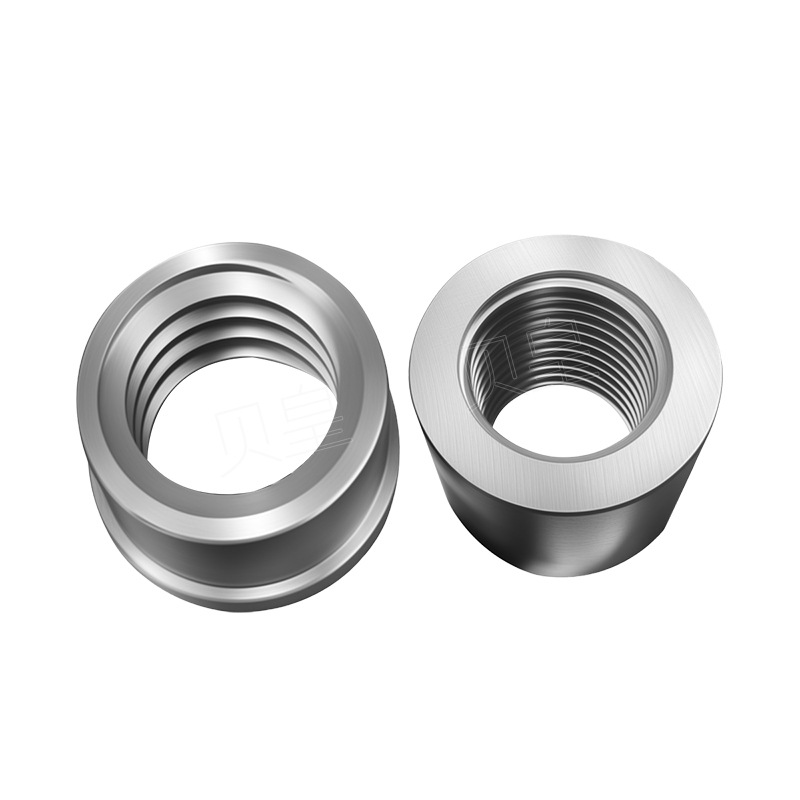
It is important to note that the term "cold heading" commonly used in production is not a single deformation method but a collective term for multiple processes. The cold heading forming of any fastener involves not only the core upsetting deformation (enlarging the blank head and thinning the shank) but is also accompanied by forward extrusion (metal flows from the mold's small opening to the large opening, such as in bolt shank forming), backward extrusion (metal flows from the mold's large opening to the small opening, such as in nut inner hole forming), compound extrusion (a combination of forward and backward extrusion), as well as punching and rolling. Therefore, the more accurate terminology should be "cold heading (extrusion)," a conventional naming convention that also reflects the composite nature of the process.


 135-6073-0094