Aerospace Fasteners:Standards,Identification,and Core Knowle? This is a common technical question in fastener design and application. Understanding the relevant principles is essential for improving joint reliability and reducing failure risks.
Technically, this issue involves material selection, manufacturing processes, heat treatment, and surface treatment. The optimal solution varies under different conditions. For example, high-strength bolts require strict control of quenching and tempering parameters per ISO 898-1.
In practice: select appropriate strength grade based on load; understand friction coefficient effects on preload; choose appropriate locking methods (spring washers, thread locker, cotter pins); and periodically inspect torque on critical joints.
Toprecision's engineering team has extensive experience in cold forming, aluminum alloy fasteners, and micro screws. We provide comprehensive technical support from selection to application. Contact us with your specific questions.
Core Standard Systems: Covering Military, Commercial, and Metric/Inch
The aerospace fastener standard system is primarily centered on US standards, with clear subdivisions to meet diverse scenarios:
-
NAS Standards: As the dominant inch-based standard, NAS covers a vast range of applications. It is suitable for the fuselage and wing connections of commercial airliners like Boeing and Airbus, as well as the critical structures of military fighter jets like the F-16 and F-35, making it the most universally used inch standard in aviation.
-
NASM Standards: Essentially the military branch within the NAS system, NASM was originally designed specifically for US military equipment. It was later transferred to the National Aerospace Standards Committee (NASC) for management, ensuring the standards continuously optimize alongside military technological upgrades to better meet the stringent requirements for strength and corrosion resistance in military equipment.
-
NA / NAM Standards: These are the metric counterparts to NAS and NASM. With the global adoption of the metric system, NA is used to replace NAS for metric fastener production, while NAM matches the military metric requirements of NASM, resolving standard compatibility issues in transnational aerospace manufacturing.
-
Other Common Standards: US government-led MS (Military Standard) and AN (Army-Navy Standard) are also widely used. MS is mostly applied to basic fasteners common to both military and commercial use, while AN is frequently seen in aircraft auxiliary system connections. Meanwhile, the MIL-STD series does not directly define the fasteners themselves but refines technical specifications. For example, MIL-STD-100G clarifies drawing annotation rules, and MIL-STD-1312 stipulates coating thickness test methods, providing a technical basis for the entire fastener production process.
Identification Symbols: No Universal Rule, Requires Precise Adaptation
After mastering the standards, interpreting the fastener part number is key, but the challenge lies in the absence of a universal character definition pattern. The part number coding logic varies significantly across different standards: NAS part numbers may start with "NAS," with subsequent characters representing dimensions and materials (e.g., NAS 1832 indicates a hex bolt of a specific specification); NASM part numbers may embed special military identifiers to distinguish fasteners for ordinary versus tactical equipment. This means personnel must consult the corresponding manuals for specific standards to avoid assembly errors caused by misinterpreting markings.
Core Functions and Types of Threaded Fasteners
The functions of aerospace fasteners can be summarized in two points: first, connecting scattered components into a complete fuselage to ensure structural integrity; second, transmitting loads during flight (such as lift on the fuselage and engine thrust) and coordinating the deformation of different parts to avoid excessive local stress.
Among these, threaded fasteners are the mainstream choice and support multiple disassembly and reassembly cycles, adapting to aircraft maintenance needs:
-
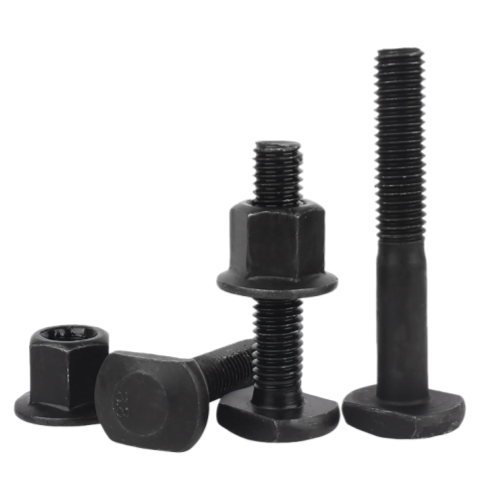
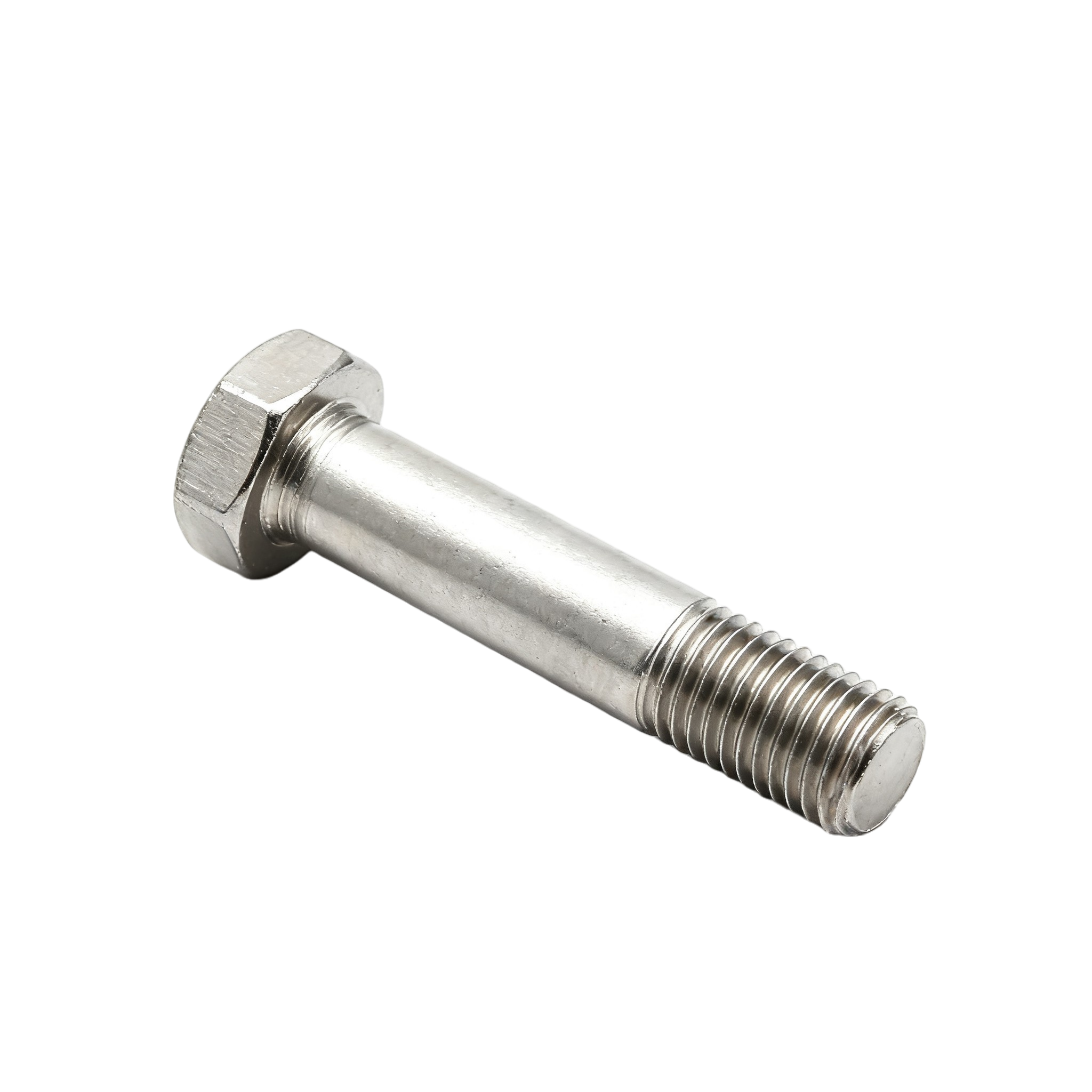
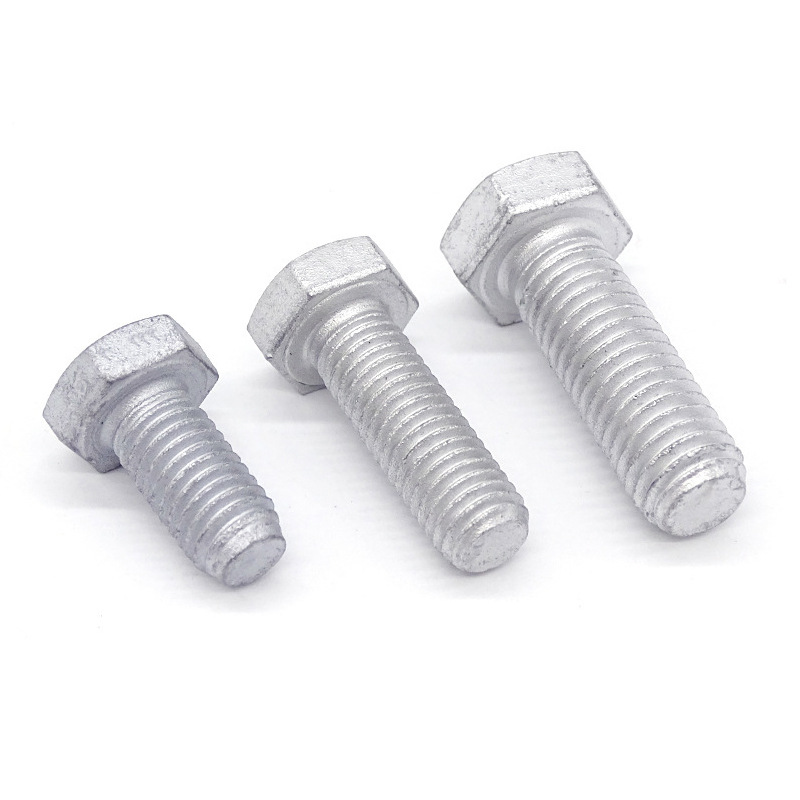
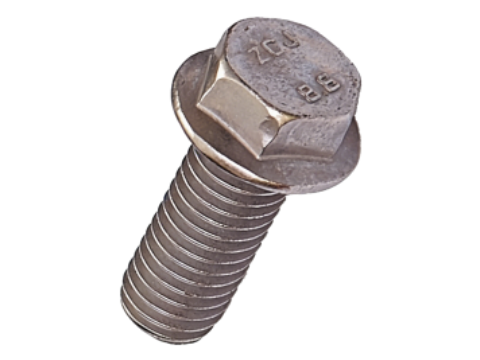
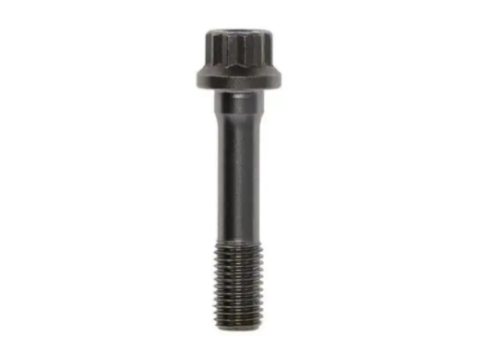
Bolts: Used in high-strength connection areas like main fuselage beams and engine mounts, designed to withstand significant tensile forces.
-
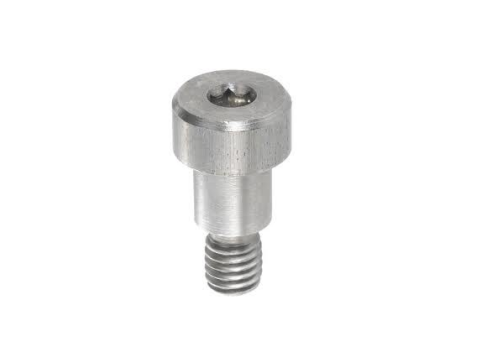
Screws: Adapted for lightweight components such as instrument panels and interior trim, offering more flexible installation.
-
Washers: Placed between the bolt/screw and the component to reduce stress concentration and prevent surface damage.
-
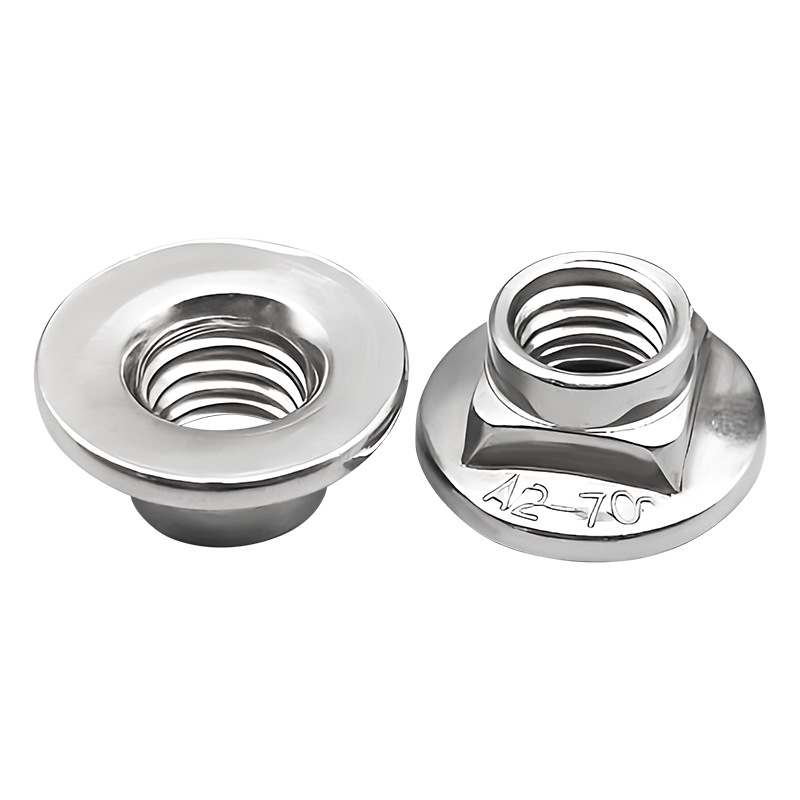
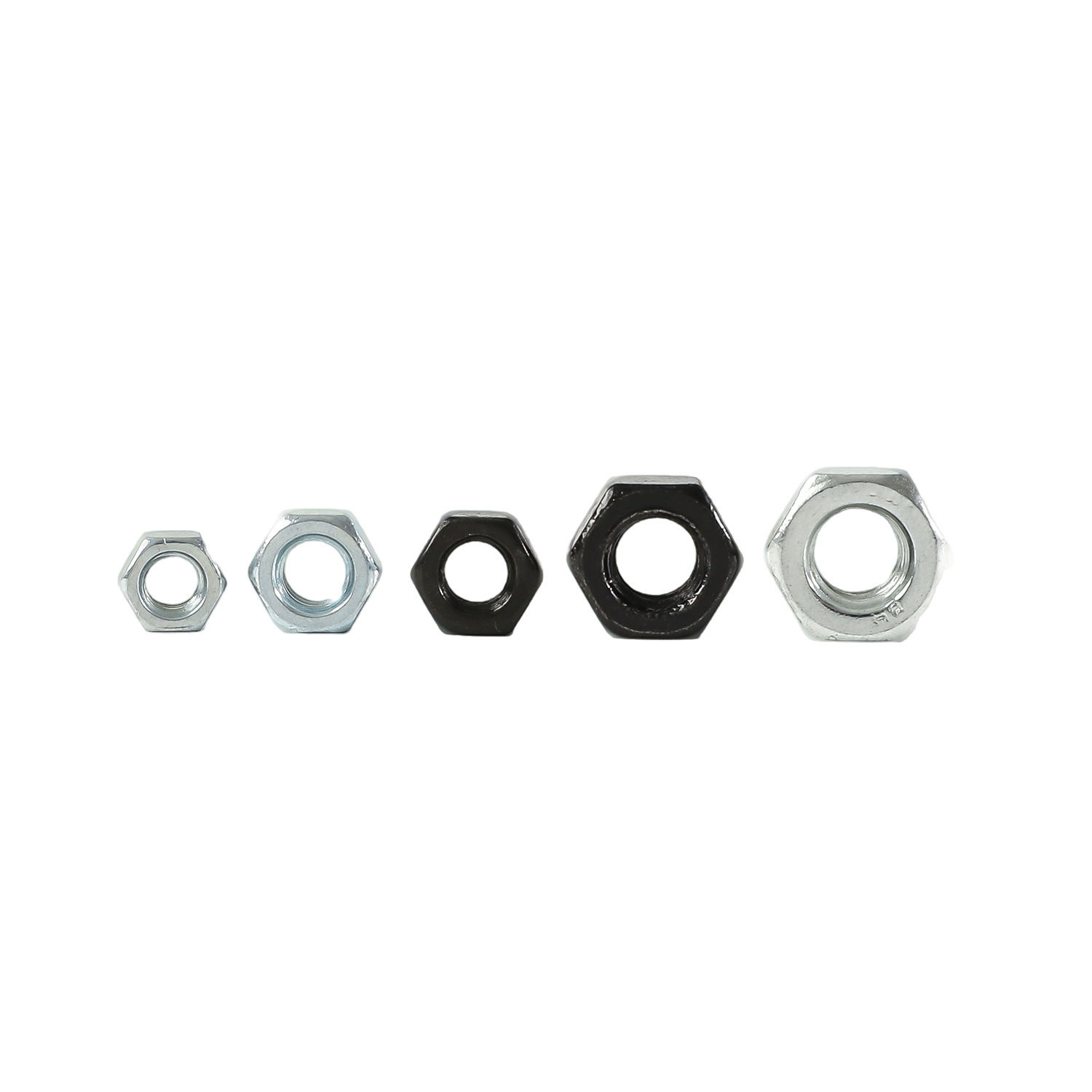
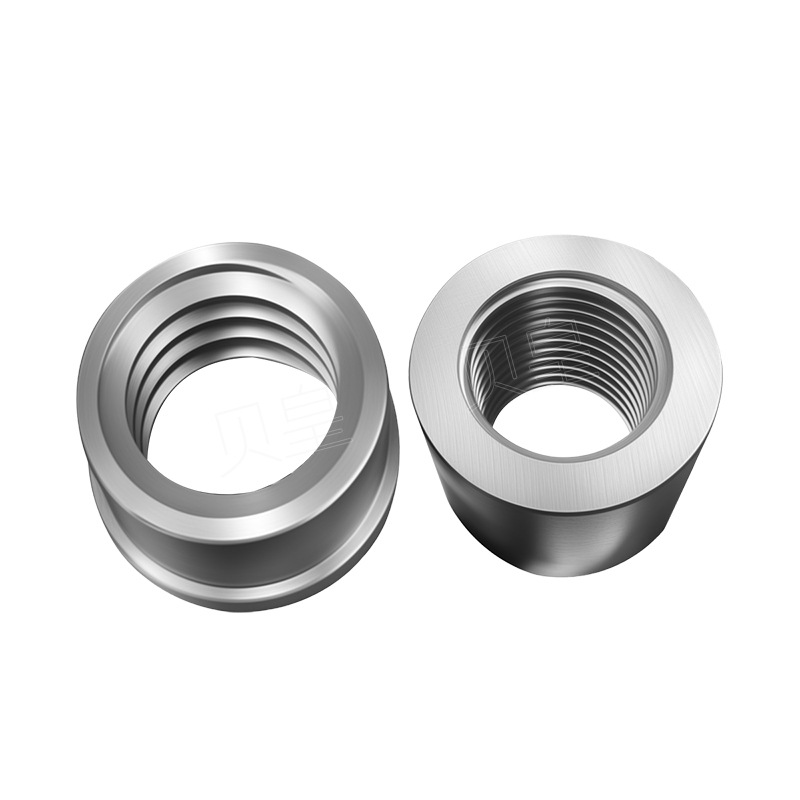
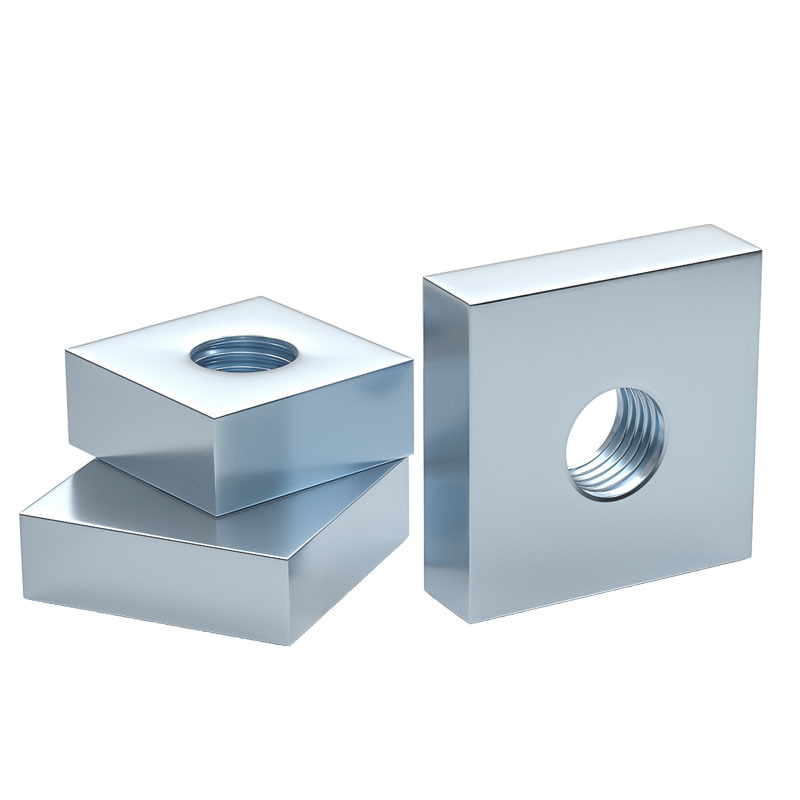
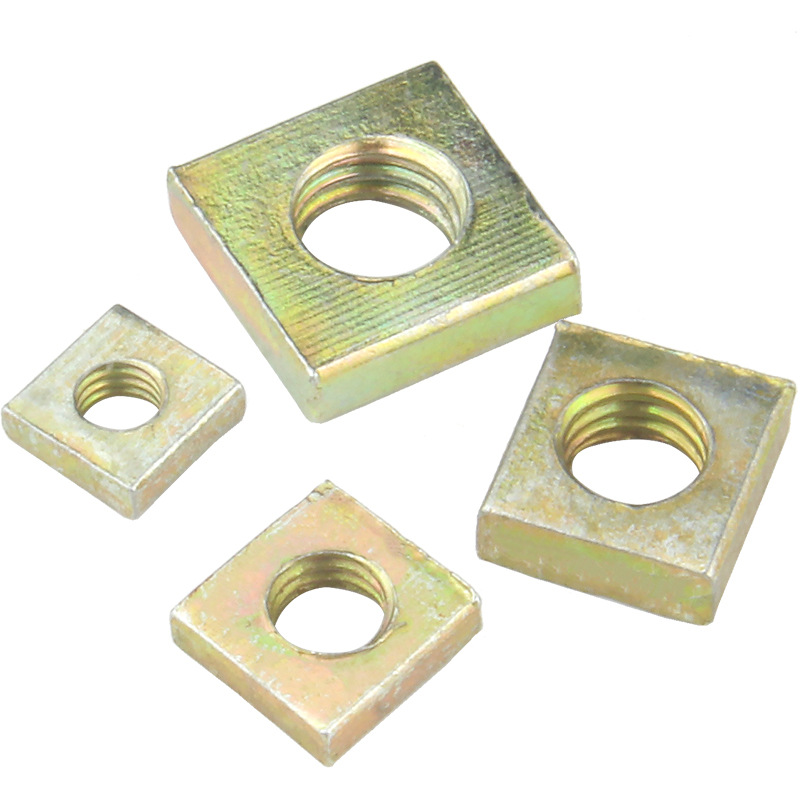
Nuts: Used in conjunction with bolts for fixation; some feature locking designs to counteract flight vibrations.
Thread Fundamentals: From Helix to Thread Formation
The thread is the core structure of threaded fasteners, and its formation principle can be broken down into two steps:
-
Formation of the Helix: When a moving point travels on the surface of a cylinder, simultaneously performing "uniform rotation around the axis" and "uniform movement along the axis," the resulting trajectory is a helix, which serves as the fundamental shape of a thread.
-
Formation of the Thread: By moving a plane figure (such as a triangle or rectangle, corresponding to different thread profiles) along the helix—while keeping the figure always passing through the cylinder's axis during motion—the resulting three-dimensional structure is the thread. Different thread profiles determine the load-bearing performance (e.g., triangular profiles offer good sealing, while trapezoidal profiles are suitable for transmitting heavy loads).
-


 135-6073-0094