Differences Between Hex Head and Socket Head Bolts? This is a common technical question in fastener design and application. Understanding the relevant principles is essential for improving joint reliability and reducing failure risks.
Technically, this issue involves material selection, manufacturing processes, heat treatment, and surface treatment. The optimal solution varies under different conditions. For example, high-strength bolts require strict control of quenching and tempering parameters per ISO 898-1.
In practice: select appropriate strength grade based on load; understand friction coefficient effects on preload; choose appropriate locking methods (spring washers, thread locker, cotter pins); and periodically inspect torque on critical joints.
Toprecision's engineering team has extensive experience in cold forming, aluminum alloy fasteners, and micro screws. We provide comprehensive technical support from selection to application. Contact us with your specific questions.
1. Structural Appearance: Core Differences Are Visibly Distinct
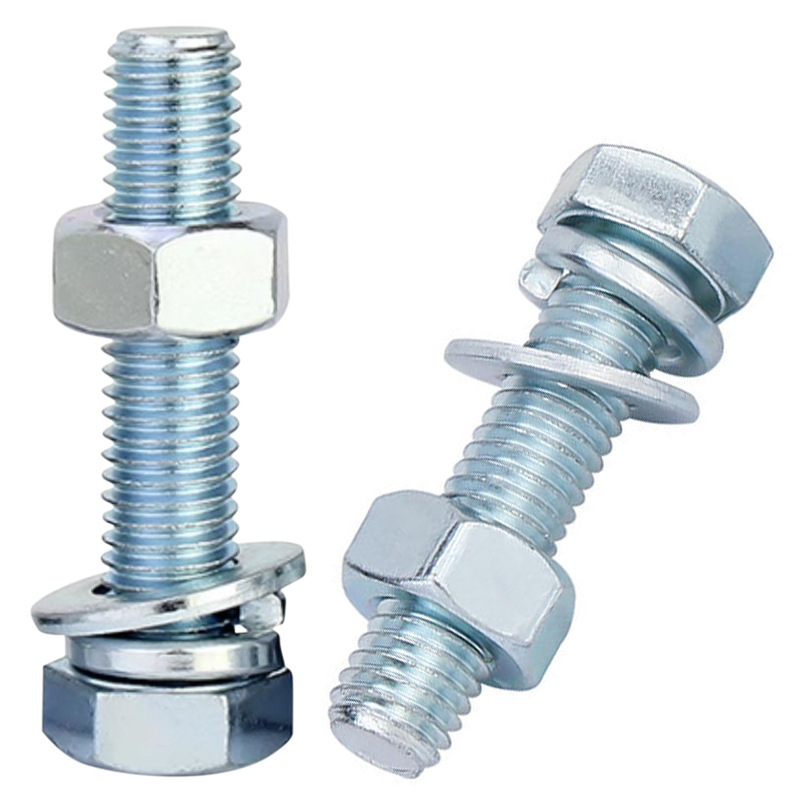
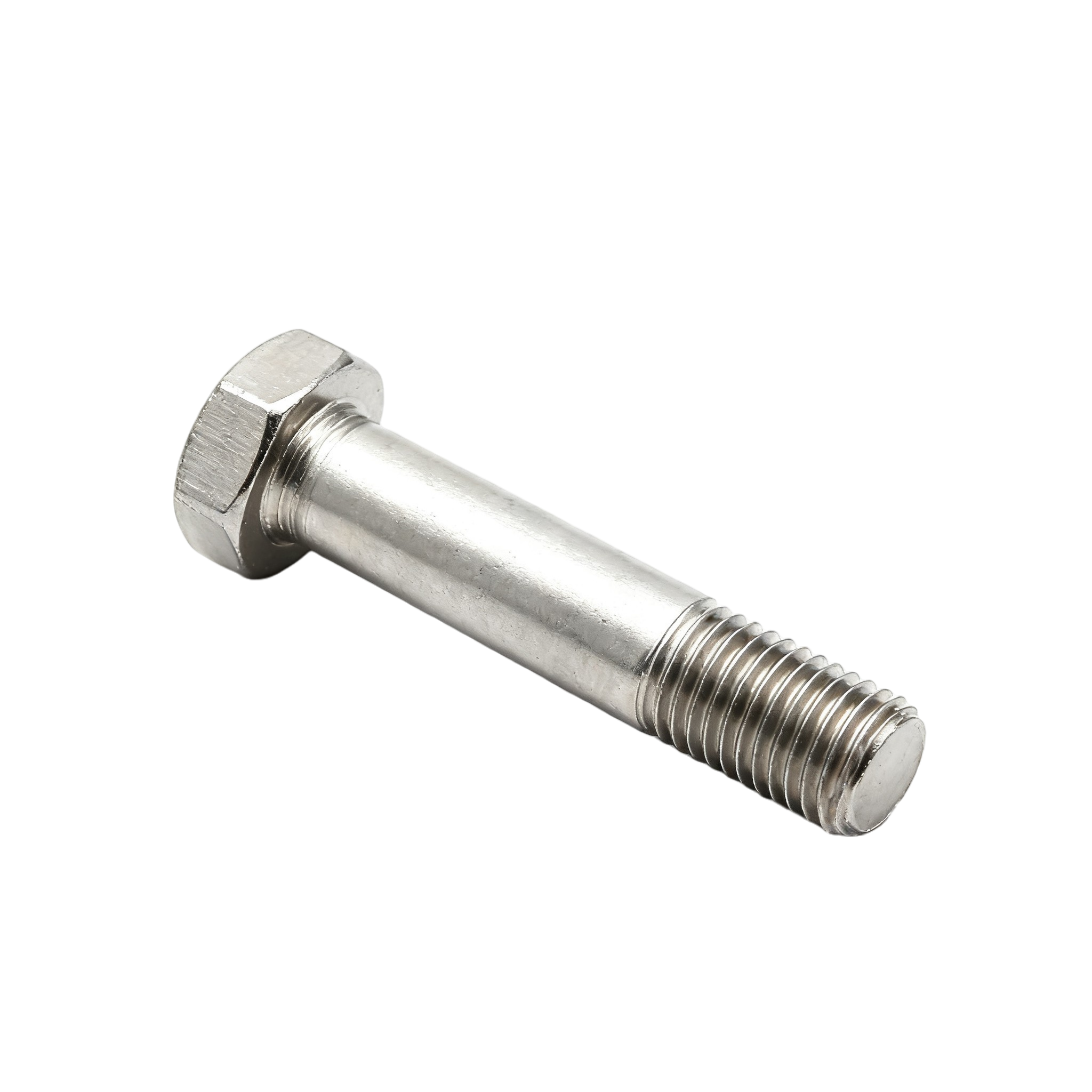
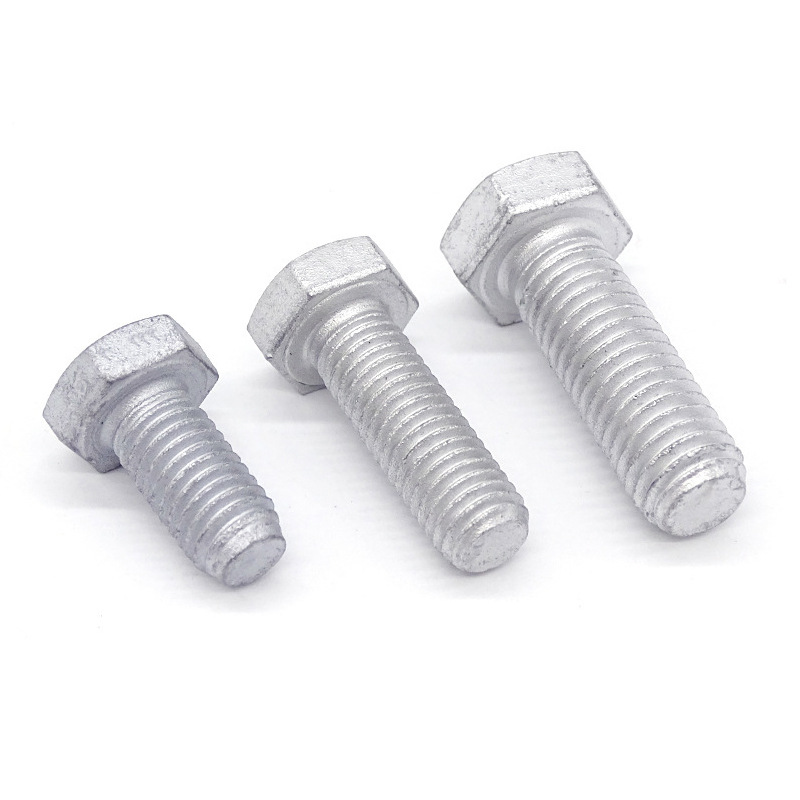
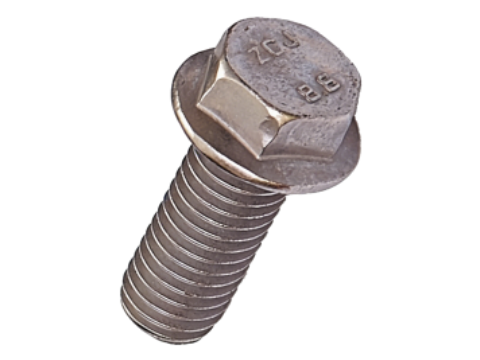
The structural difference is the most intuitive distinction, primarily reflected in the head shape. The hex head bolt features a regular hexagonal three-dimensional structure, with all six bearing surfaces exposed. The head size is typically larger than the shank diameter, and the junction between the head and shank usually features a transition radius, with some models incorporating integrated flat or spring washers. This exposed hexagonal structure requires no special processing technology, resulting in a relatively simple production process and lower manufacturing costs.
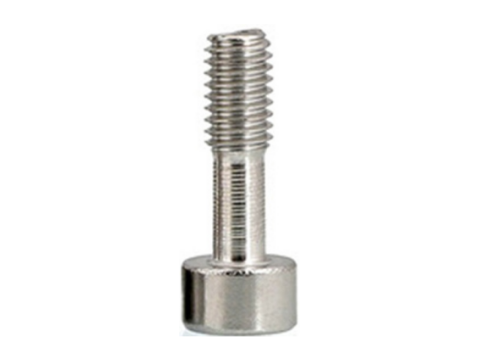
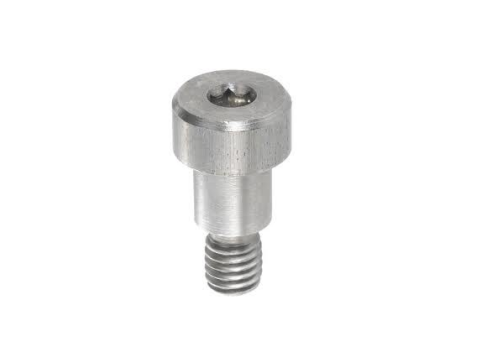
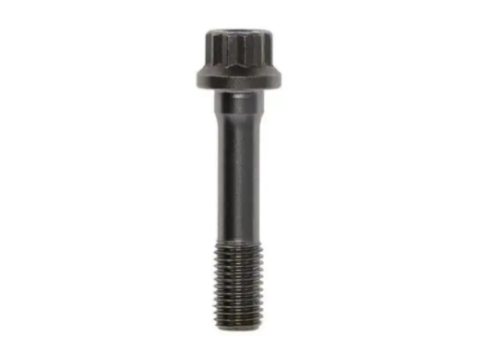
The socket head bolt has a cylindrical head with a recessed regular hexagonal socket machined into the top center. The overall head size is much closer to the shank diameter, giving it a more concise and compact appearance. The core manufacturing challenge lies in the precise machining of the internal hexagonal socket, which requires specialized milling equipment to ensure the socket's concentricity and flatness. Consequently, it demands higher production precision and incurs higher manufacturing costs than hex head bolts.
2. Installation Tools and Space: Adapting to Different Working Conditions
Differences in installation tools stem from the head design and directly determine the spatial requirements for installation. Hex head bolts require open-end wrenches, box-end wrenches, or socket wrenches. These tools clamp onto the external hexagonal faces of the head to apply torque for tightening. This method demands ample operating space to ensure the tool can fully engage the head and apply force effectively, making it difficult to operate in narrow or concealed spaces.
Socket head bolts require a hex key (commonly known as an Allen wrench), which is inserted into the internal hexagonal socket to transmit torque. Hex keys are compact and can reach into tight spaces. Additionally, they offer a higher degree of engagement with the bolt, effectively preventing slippage. Furthermore, after installation, the internal socket of a socket head bolt can be sealed with a specialized plug to prevent dust and oil ingress, making it suitable for applications with high cleanliness requirements.
3. Performance Characteristics: Balancing Strength and Applicability
In terms of mechanical performance, the differences mainly lie in head strength and torque transmission efficiency. Due to its exposed design, the head of a hex head bolt is prone to deformation under external impact. During torque transmission, stress concentrates on the edges of the head, which may lead to rounding of the corners over long-term use. However, its advantage lies in easy disassembly; even if the head is slightly damaged, it can often still be removed using adjustable wrenches or similar tools.
The recessed structural design of the socket head bolt allows for a more uniform material distribution, resulting in superior shear strength and impact resistance. Typically, socket head bolts are 1 to 2 property classes higher than hex head bolts of the same specification (e.g., common socket head bolts are mostly property class 8.8 and above, while hex head bolts range from class 4.8 to 12.9). Moreover, the socket structure offers higher torque transmission efficiency, enabling more precise control of tightening torque, making it ideal for equipment with high fastening precision requirements.
4. Applicable Scenarios: Selecting by Need to Enhance Assembly Value
Leveraging their cost-effectiveness and ease of disassembly, hex head bolts are widely used in construction, agricultural machinery, and general mechanical equipment—scenarios where installation space is ample and precision requirements are not stringent, such as steel structure frame connections and distribution box fixation. In these contexts, the easy maintainability of hex head bolts can significantly reduce later maintenance costs.
Due to their compact structure, high strength, and high precision, socket head bolts are the preferred choice for precision equipment, automotive, aerospace, and electronic instruments. Typical applications include engine block connections, medical device component fixation, and electronic equipment housing assembly. In these scenarios, their small footprint and high reliability effectively enhance the overall performance of the product.
In summary, the selection between hex head and socket head bolts requires a comprehensive assessment of installation space, fastening precision, strength requirements, and cost budget. Neither is absolutely superior; selecting the right bolt for the specific scenario is key to maximizing its value.


 135-6073-0094