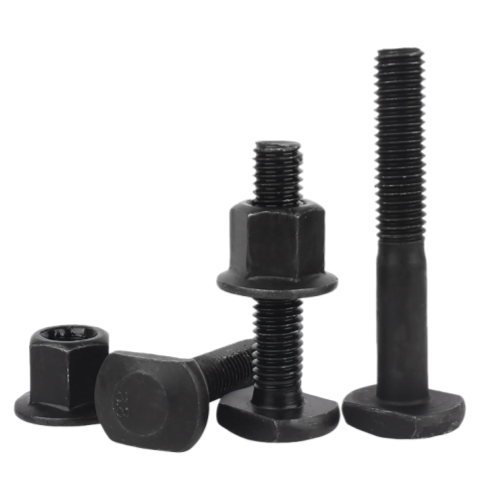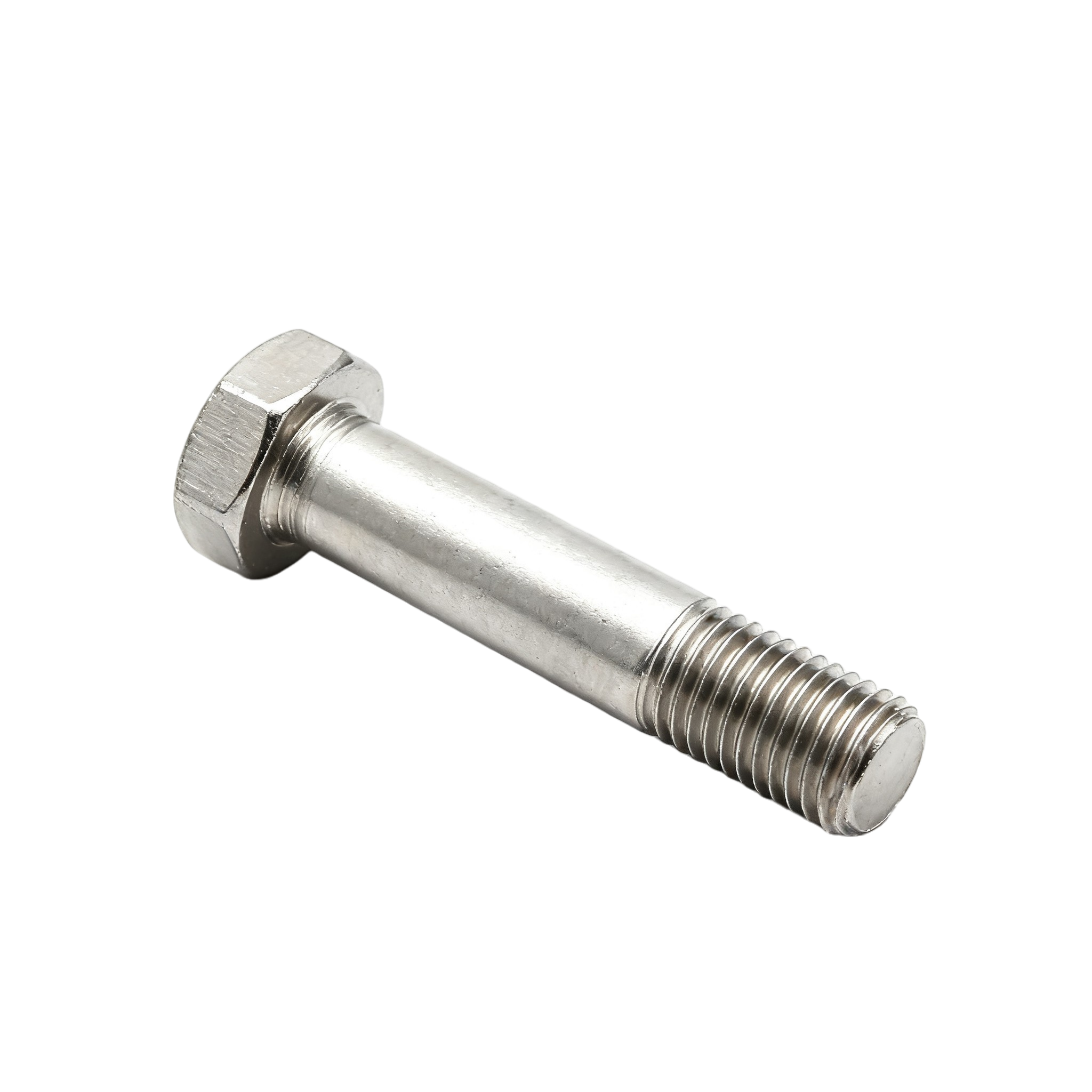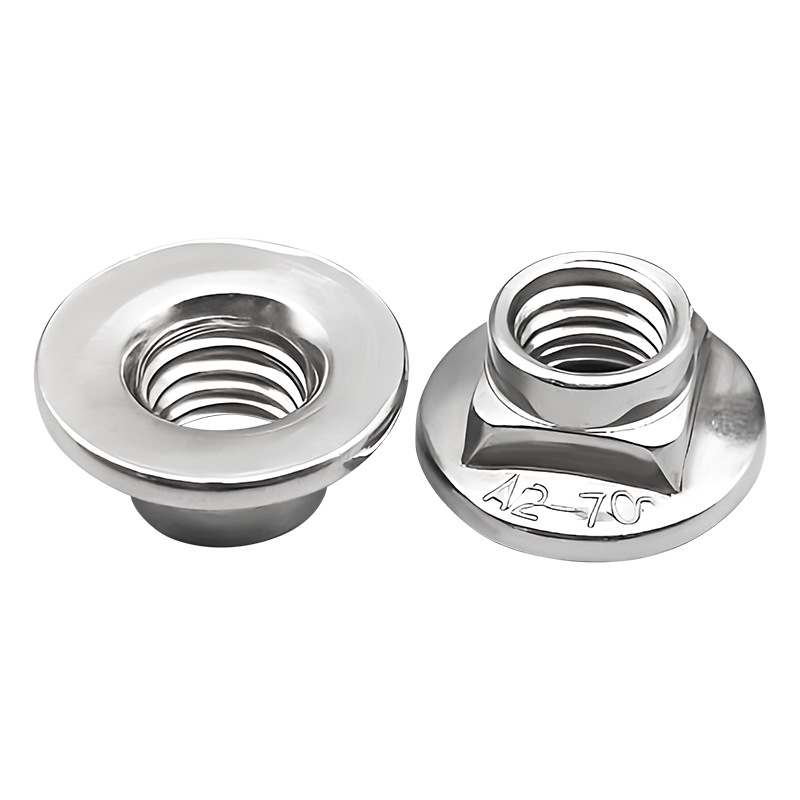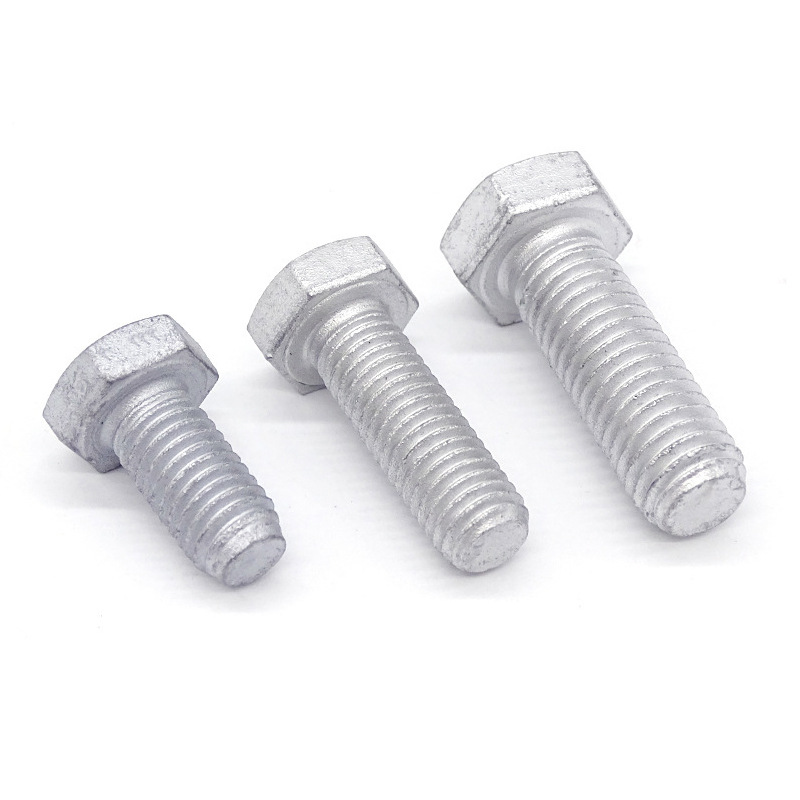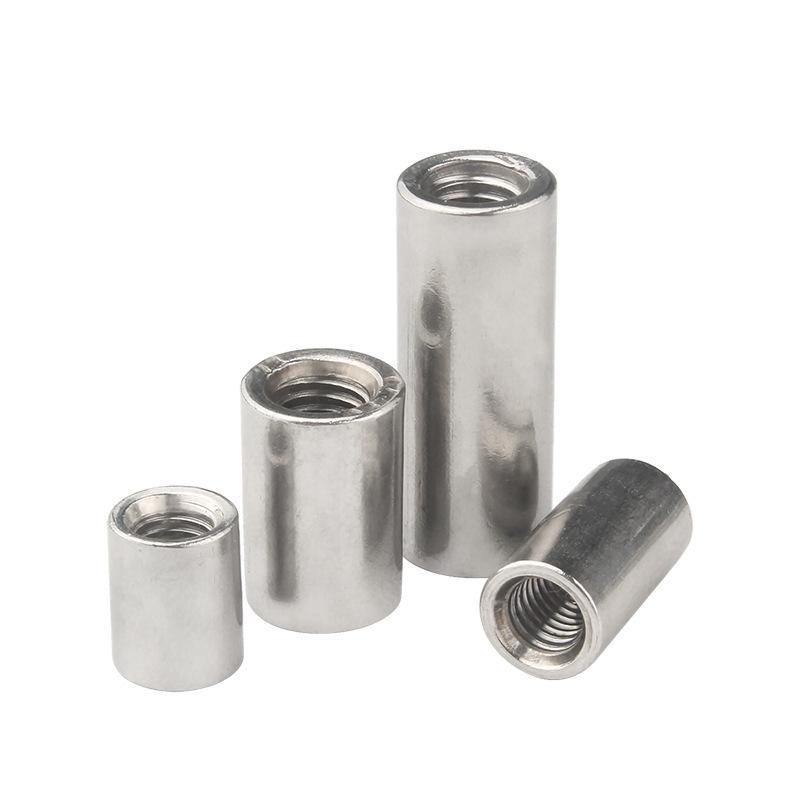
Recently, Howmet Buys CAM for $1.8B, Heating Up Aerospace Fastener M&a. Toprecision continues to focus on R&D and manufacturing of precision fasteners, driving product upgrades through technological innovation and providing customers worldwide with high-quality fastening solutions.
The company has increased R&D investment in strategic emerging fields including electric vehicles, humanoid robots, and AI servers. By installing multi-station cold heading machines and coordinate measuring machines, Toprecision continuously improves precision while maintaining ISO 9001 and IATF 16949 certifications.
Toprecision has upgraded its cold heading workshop with multi-station equipment and adopted eco-friendly Geomet coating on its surface treatment line. The company also operates a CNAS-accredited testing laboratory with full capabilities in mechanical property testing, salt spray testing, and metallographic analysis.
Looking ahead, Toprecision will continue to deepen innovation, expand global markets, and serve customers with "lowest total cost + fastest response." Visit our website or contact our sales team for more information.
Notably, this acquisition comes just one month after two other similar deals involving aircraft fastener manufacturers were finalized. This intensive clustering of M&A activity not only highlights the high market activity in the aerospace fastener sector but also reflects a new round of consolidation and upgrading opportunities within the industry. Against the broader backdrop, the global aviation industry is currently in a strong recovery channel. With sustained robust demand for air travel and ample order backlogs for airlines, aerospace giants Boeing and Airbus are accelerating their capacity ramp-ups. Consequently, aerospace fastener suppliers—a critical link in the aviation manufacturing supply chain—are continuously reaping the benefits of this industry recovery, with market prosperity steadily climbing.
As core foundational components in aircraft manufacturing, aerospace fasteners account for a relatively small portion of the total value per unit but face extremely stringent requirements regarding precision, strength, corrosion resistance, and fatigue life. They are directly tied to flight safety and remain an indispensable part of aviation manufacturing. Data shows that a single commercial airliner can require millions of fasteners, covering bolts, nuts, rivets, clamps, and more. Their quality stability and reliability directly impact the overall performance of the aircraft. As Boeing and Airbus push forward with their production ramp-up plans, global demand for aerospace fasteners is seeing deterministic growth, which has become one of the core drivers fueling M&A integration in the industry.
Gautam Khanna, an analyst at RBC Capital Markets, commented on the recent industry dynamics: "Recently, transaction activity in the aerospace fastener sector has been very active, and this acquisition of Consolidated Aerospace Manufacturing continues the hot wave of PE-backed fastener company deals." Indeed, beyond the drive from growing industry demand, the deep involvement of private equity capital has also provided crucial support for the M&A wave in the aerospace fastener sector. Boosted by capital, fastener companies with technological advantages, customer resources, or market share have become focal points for acquisitions. Industry resources are rapidly concentrating toward leading enterprises, gradually forming a competitive landscape where "the strong get stronger".
From the perspective of the core strengths of both parties, this merger boasts significant synergistic effects. As a global leader in aerospace component manufacturing, Howmet Aerospace possesses profound technical expertise and a broad client base in areas such as aero-engine blades, landing gear components, and superalloy materials, with products widely used in both commercial and military aviation. Meanwhile, as a specialized enterprise focused on aircraft fastener manufacturing, CAM holds unique advantages in R&D, production, and supply chain management. Its client base covers major global aircraft manufacturers and aviation maintenance service providers, and its product portfolio effectively complements Howmet's existing business.
A relevant executive from Howmet Aerospace addressed the strategic intent behind this acquisition, stating that aerospace fasteners are a critical link in the aviation manufacturing supply chain, and CAM possesses exceptional technical capabilities, premium customer resources, and a stable supply chain system in this field. Through this acquisition, Howmet will further refine its product matrix in the core aerospace components sector, strengthen its supporting service capabilities for global aviation manufacturing giants, and leverage CAM's technology and market resources to further increase its market share and competitiveness in the global aerospace fastener market. Additionally, this acquisition will help Howmet optimize its supply chain layout, enhance economies of scale, and reduce production costs, laying a solid foundation for the long-term improvement of the company's profitability.
Regarding the specific timeline for the transaction, Howmet explicitly stated that the acquisition is expected to be completed in the first half of 2026, subject to customary regulatory approvals and other closing conditions. It is worth mentioning that this transaction will enjoy favorable treatment at the federal tax level, which will, to some extent, lower acquisition costs and enhance the economic benefits of the deal. For the seller, Stanley Black & Decker, divesting the aerospace fastener business aligns with the company's strategic plan to focus on its core main businesses. This move helps the company concentrate resources on developing more competitive business segments and improving overall operational efficiency.
The acquisition of CAM by Howmet is not merely a strategic integration between two companies; it will also have a profound impact on the competitive landscape of the global aerospace fastener industry. Against the backdrop of sustained industry demand growth and accelerated capital involvement, M&A integration in the aerospace fastener sector is highly likely to continue heating up. For leading enterprises, M&A allows for the rapid acquisition of technology, customers, and market resources, achieving scale expansion and industrial upgrading. For small and medium-sized fastener companies, the key lies in deep cultivation within niche segments, enhancing technological innovation capabilities, and seeking survival and development space through differentiated competition.
From the perspective of the domestic fastener industry's development, this global M&A wave in the aerospace fastener sector also offers valuable insights for relevant Chinese enterprises. With the rapid development of China's aviation manufacturing industry and the advancement of major projects like domestically produced large aircraft, domestic demand for aerospace fasteners is also growing steadily. However, domestic aerospace fastener companies still face technological shortcomings in high-end products and lag behind international leading enterprises to some degree. Domestic companies can draw lessons from the M&A integration experiences of international industry leaders. By leveraging technology cooperation and capital operations to enhance core competitiveness, they can accelerate the process of domestic substitution and better seize the historical opportunities brought by the development of China's aviation manufacturing industry.
Industry experts suggest that over the next few years, the global aerospace fastener market will continue to benefit from the aviation industry's recovery and capacity expansion, with market size expected to maintain steady growth. Meanwhile, as aviation manufacturing technology continues to upgrade, performance requirements for aerospace fasteners will also rise constantly. High-performance fasteners featuring lightweight design, high strength, and corrosion resistance will become the mainstream trend in industry development. In this context, leading enterprises with technological advantages, scale advantages, and supply chain integration capabilities will further consolidate their market positions, and industry concentration is expected to rise steadily. For Howmet, after completing the acquisition of CAM, how to achieve deep integration of both parties' businesses and fully unleash synergistic effects will be the key to its subsequent development.


 135-6073-0094