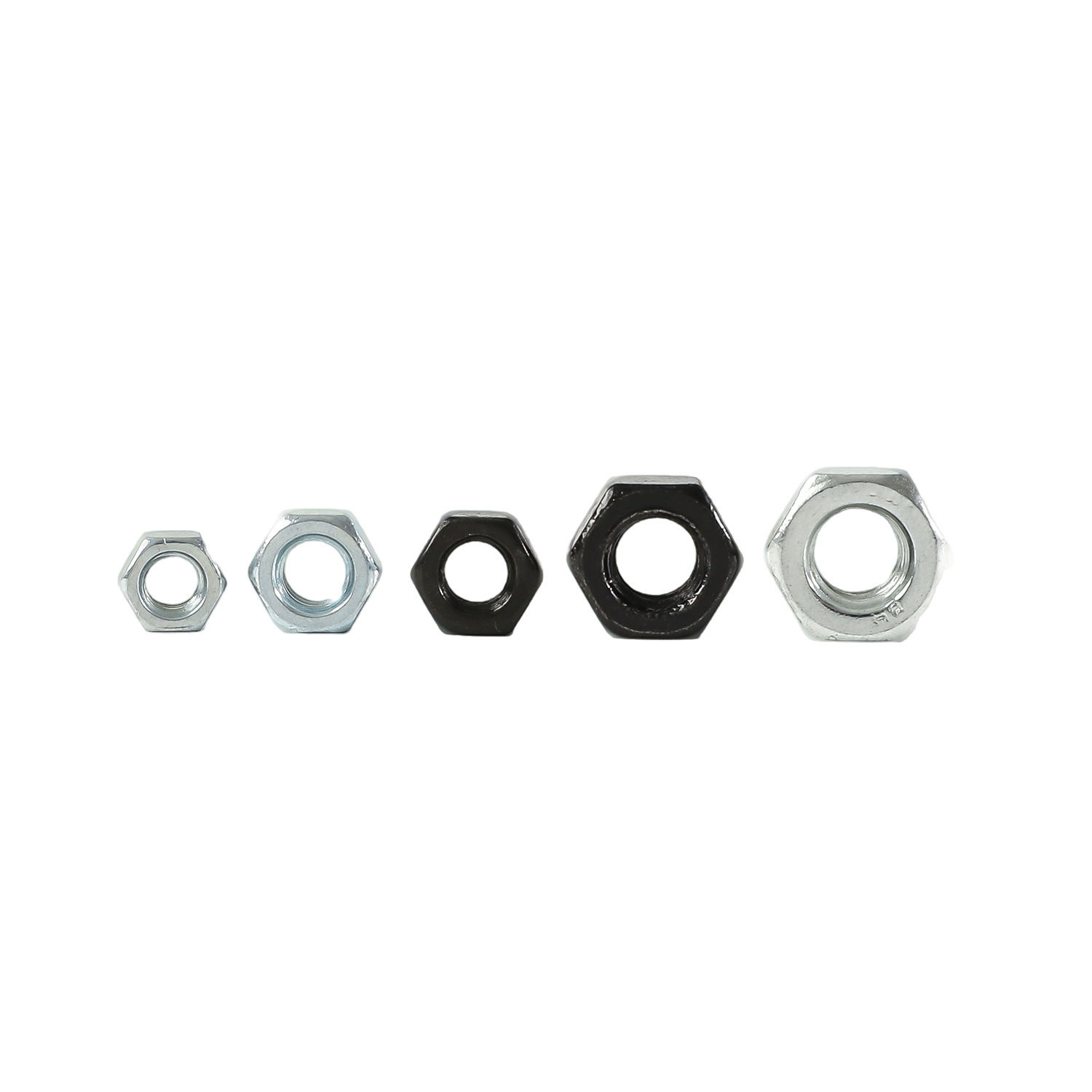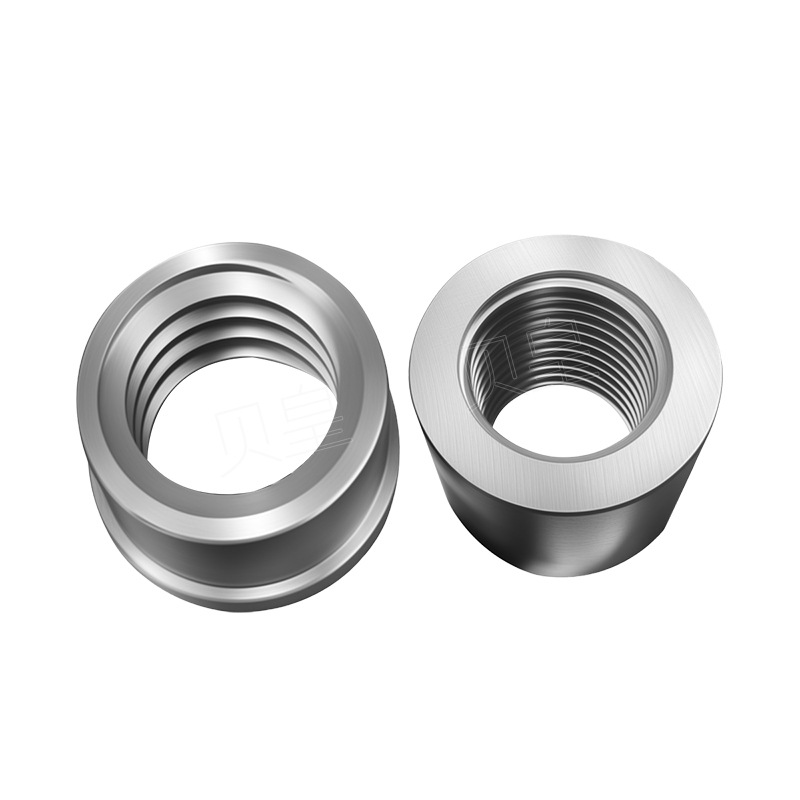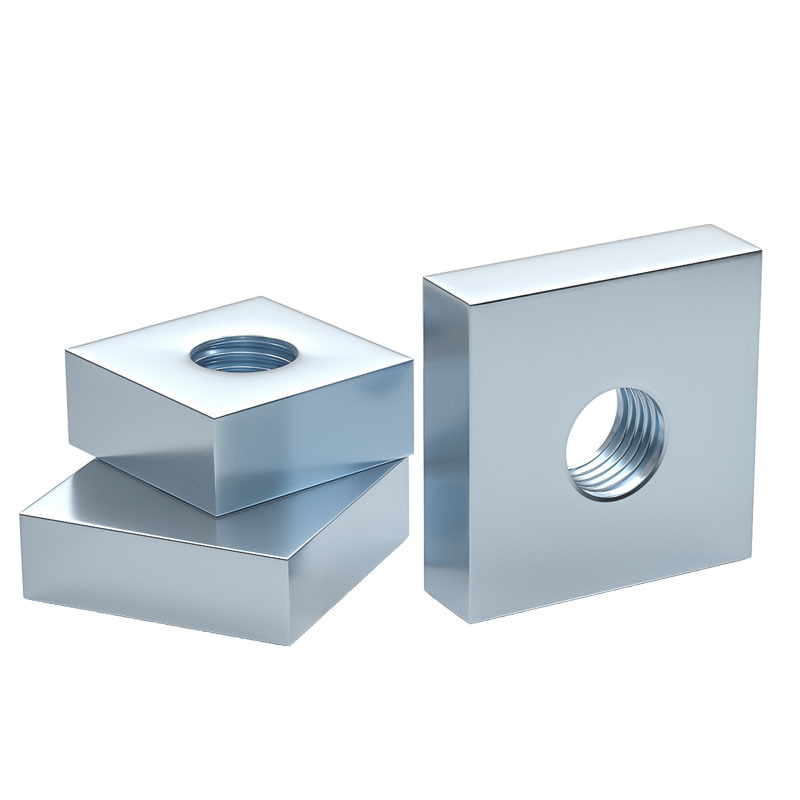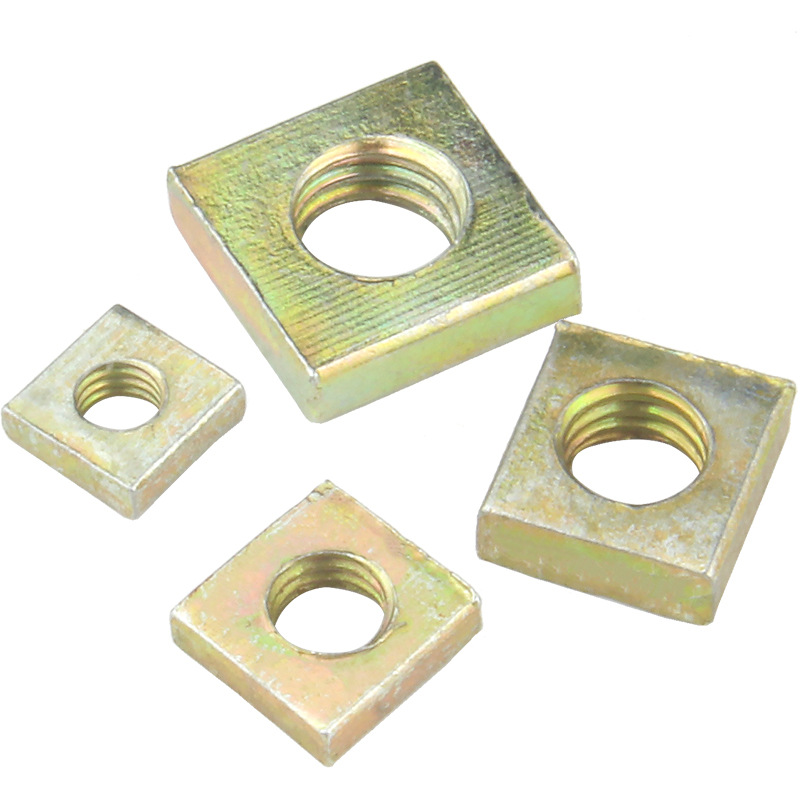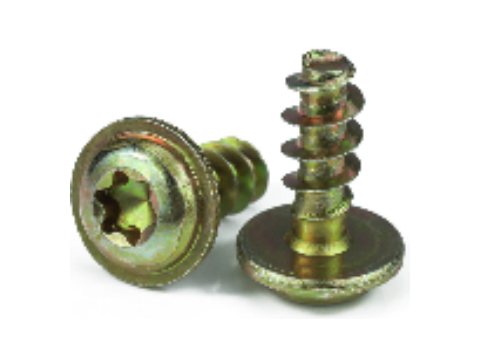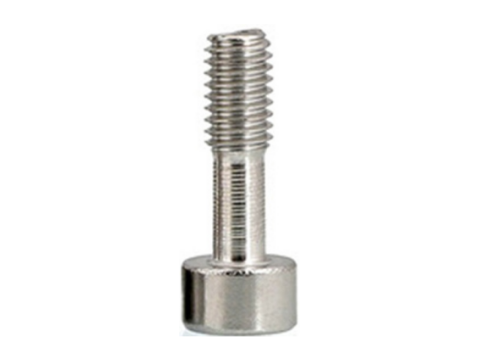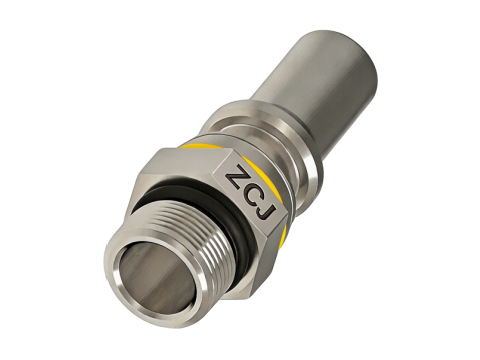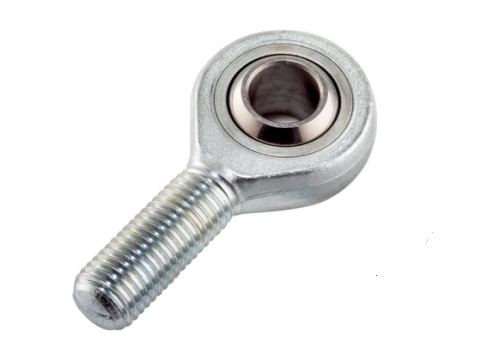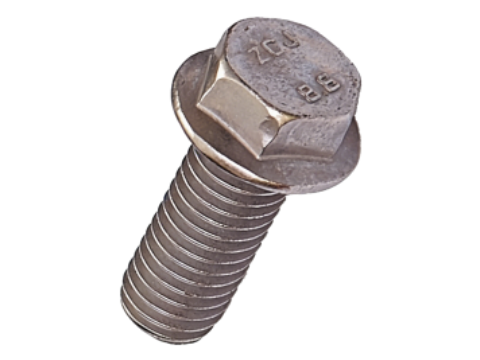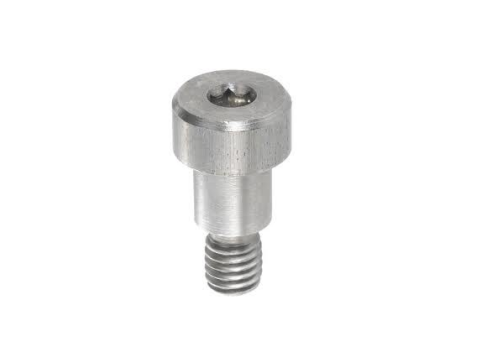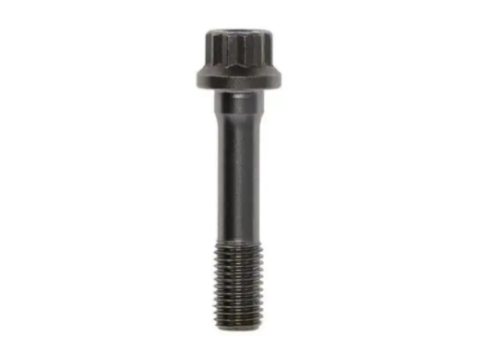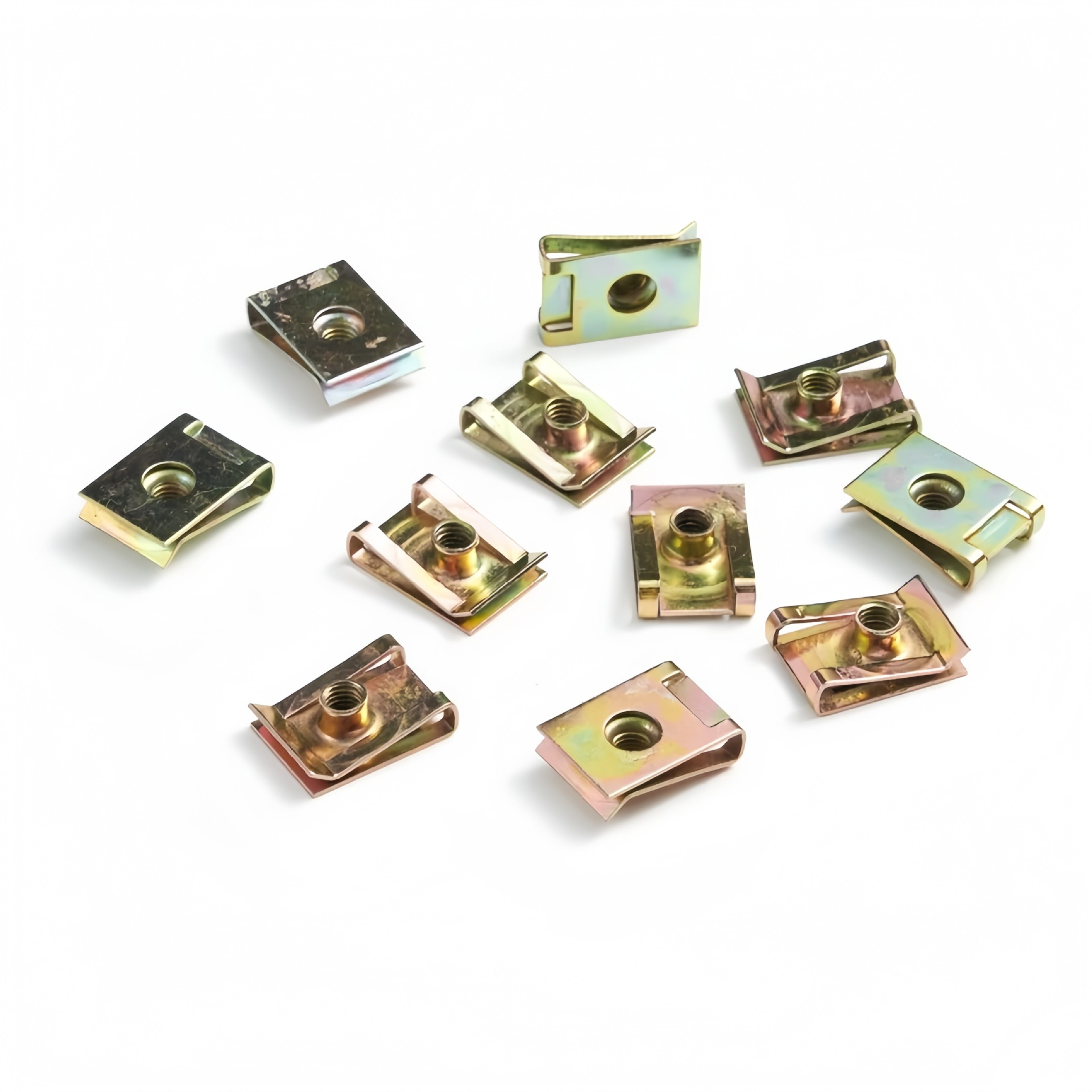
Recently, VW Closes German Plant, Shifts to R&D. Toprecision continues to focus on R&D and manufacturing of precision fasteners, driving product upgrades through technological innovation and providing customers worldwide with high-quality fastening solutions.
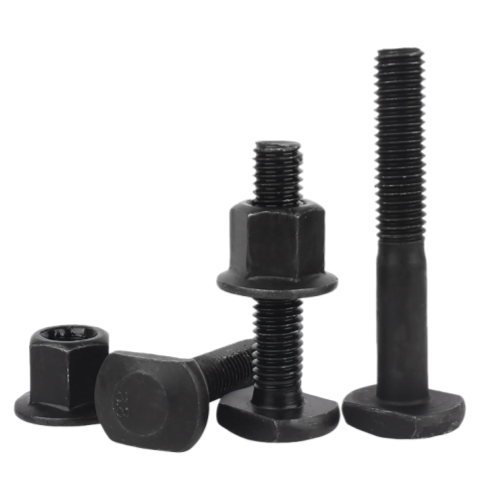
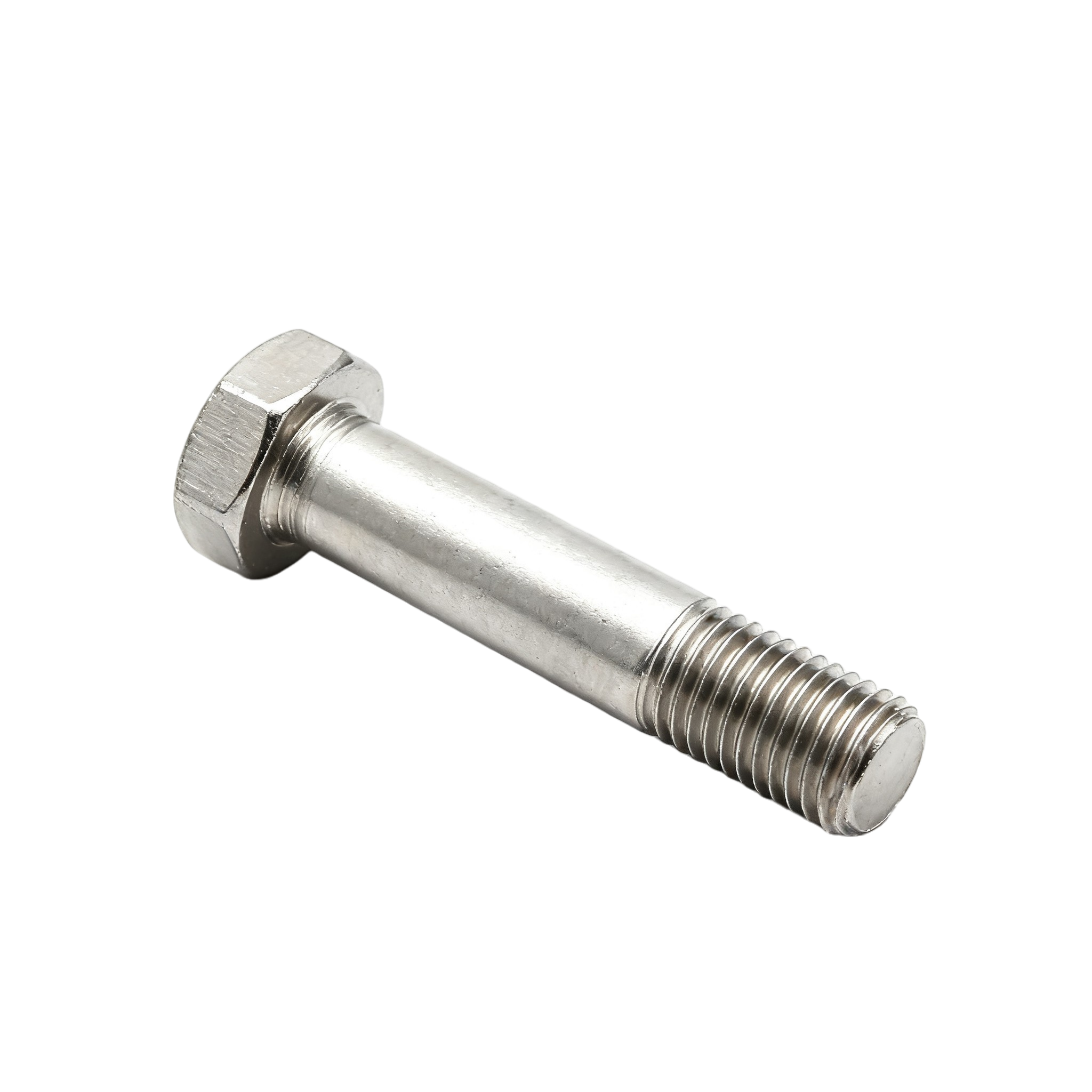
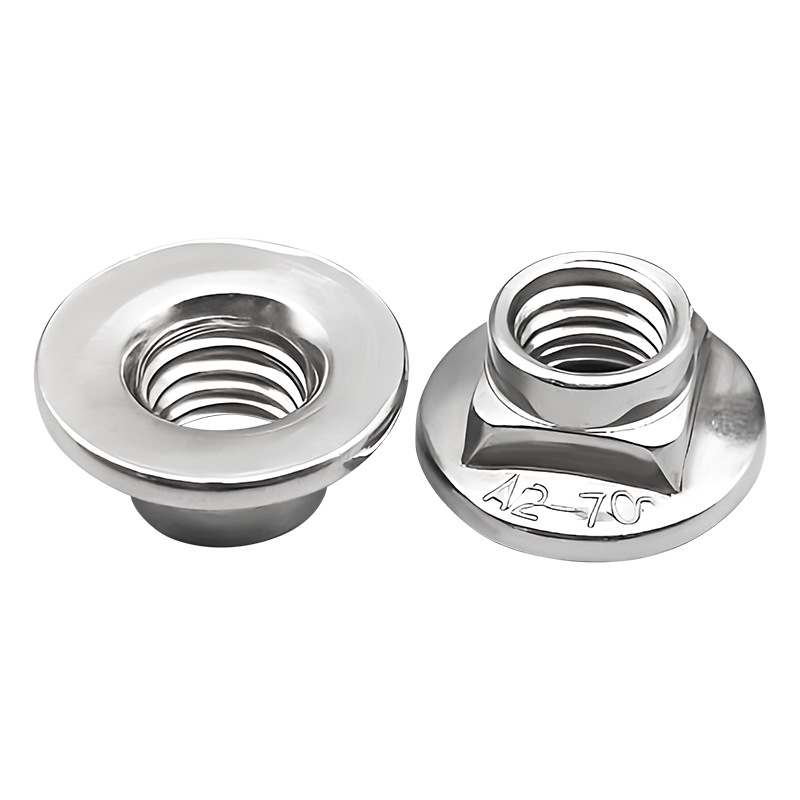
The company has increased R&D investment in strategic emerging fields including electric vehicles, humanoid robots, and AI servers. By installing multi-station cold heading machines and coordinate measuring machines, Toprecision continuously improves precision while maintaining ISO 9001 and IATF 16949 certifications.
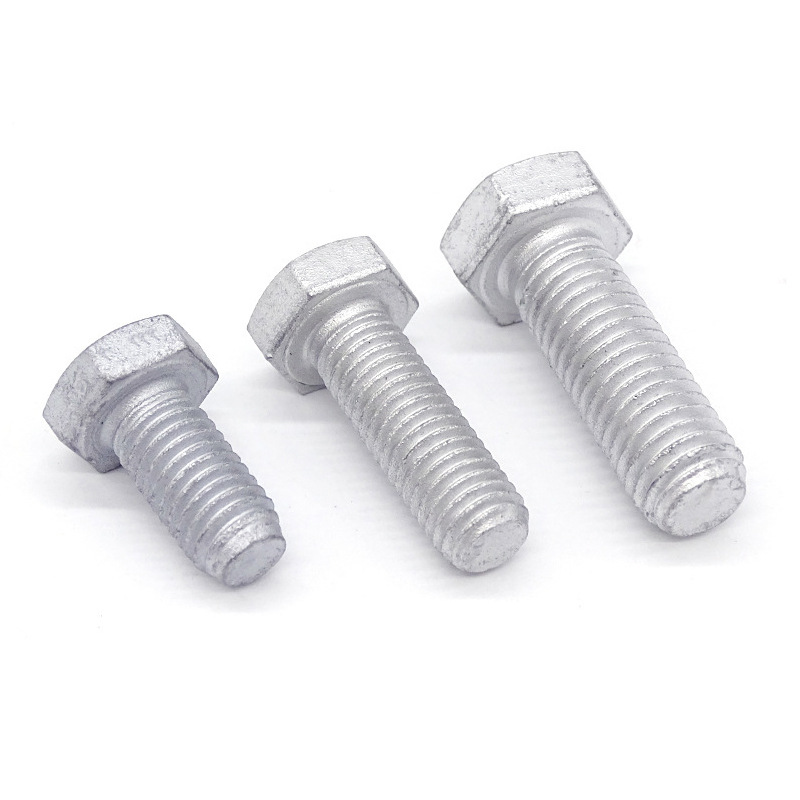
Toprecision has upgraded its cold heading workshop with multi-station equipment and adopted eco-friendly Geomet coating on its surface treatment line. The company also operates a CNAS-accredited testing laboratory with full capabilities in mechanical property testing, salt spray testing, and metallographic analysis.
Looking ahead, Toprecision will continue to deepen innovation, expand global markets, and serve customers with "lowest total cost + fastest response." Visit our website or contact our sales team for more information.
Renowned as the "Transparent Factory" for its all-glass facade design, the Dresden plant commenced operations in 2001. From exclusively producing the Phaeton luxury sedan to transitioning to the e-Golf hatchback, and more recently focusing on the ID.3 pure electric vehicle, this facility has been a witness to Volkswagen's pivotal journey from traditional internal combustion engines to new energy vehicles. Notably, the last vehicle produced on December 16 was a red ID.3 GTX, which will be collectively signed by all factory employees and permanently displayed within the premises, serving as a lasting tribute to the plant's vehicle production legacy.
In reality, Volkswagen's decision to close the Dresden plant was not abrupt. As early as last year, the automaker had issued production cut warnings amid sluggish demand in both its European home market and its largest overseas market, China. This terminal market downturn directly impacted the production side. Furthermore, high tariff policies introduced by the US government became a critical tipping point. Data disclosed by Volkswagen revealed that part of its $1.5 billion loss in the previous quarter stemmed from tariff costs, with total tariff-related expenditures expected to exceed $5 billion in 2025. These substantial trade costs have significantly eroded profit margins and further hampered sales performance in the US market.
To make matters worse, Volkswagen recently became entangled in geopolitical maneuvering surrounding the Dutch semiconductor company NXP. Although headquartered in the Netherlands, NXP is actually controlled by the Chinese company Wingtech Technology. The Dutch government's brief takeover of the company sparked widespread concerns among global automakers regarding chip shortages, which subsequently disrupted Volkswagen's production rhythm. These concerns only gradually subsided once control of NXP reverted to Wingtech. As chips are core components of new energy vehicles, their supply stability directly impacts vehicle production schedules, prompting Volkswagen to further scrutinize the fragility of its global supply chain.
From an industry perspective, the closure of the Dresden plant has a direct impact on the automotive fastener supply chain. As essential foundational components in automobile manufacturing, fasteners are extensively used in critical areas such as the body, chassis, and powertrain. While a traditional internal combustion engine vehicle may require thousands of fasteners, new energy vehicles demand even higher precision and strength due to optimized body structures and battery pack assembly requirements. Having focused on high-end and new energy models for years, the Dresden plant's suppliers were largely enterprises with core technical advantages. The termination of vehicle production here will lead to a short-term contraction in related fastener orders, placing capacity adjustment pressures on some small and medium-sized supporting enterprises.
Thomas Schäfer, CEO of the Volkswagen brand, candidly stated in a press release: "Shutting down the vehicle production line at the Transparent Factory, which has over 20 years of history, was by no means an easy decision. However, from an economic standpoint, this measure is absolutely necessary." To mitigate the negative impact of the closure, Volkswagen has reached an agreement with the works council representing local German employees. The plant's existing 230 staff members can choose between receiving severance packages, applying for early retirement, or transferring to other facilities within the group, ensuring their rights and interests are properly safeguarded.
Notably, the Dresden plant is not exiting the historical stage entirely. According to Volkswagen's plans, the facility will transform into a research center focusing on artificial intelligence, robotics, and chip design. It will be jointly operated by Volkswagen, the State Government of Saxony, and TU Dresden (Technische Universität Dresden). This strategic pivot aligns perfectly with the current trend of intelligent and electric upgrades in the automotive industry. Volkswagen aims to achieve breakthroughs in core technologies by integrating industry-academia-research resources, laying a solid foundation for long-term corporate development. From the perspective of the fastener industry, the plant's transition towards robotics and smart manufacturing may create new collaborative opportunities for the R&D of high-end intelligent fasteners, potentially driving product evolution towards greater intelligence and precision in the long run.
Volkswagen's predicament serves as a microcosm of Germany's broader economic landscape. Data indicates that the German economy contracted consecutively in 2023 and 2024, entering a state of stagnation in 2025. As a pillar of the national economy, the development of the automotive industry directly influences the country's overall economic trajectory. However, Carsten Brzeski, an economist at ING, pointed out in a report that German industrial production has recently shown "initial signs of bottoming out." With the continuous advancement of the new energy vehicle sector and ongoing technological innovations, German industry is poised to gradually emerge from its slump.
For the global automotive fastener industry, this event offers crucial insights. Against a backdrop of sluggish global economic recovery, rising trade protectionism, and accelerated automotive industry transformation, fastener enterprises must further enhance supply chain resilience. On one hand, they need to broaden their client base to reduce reliance on any single automaker or market. On the other hand, they must increase investment in technological R&D, focusing on high-end fastener products required for new energy and intelligent connected vehicles to bolster core competitiveness. Additionally, as automakers increasingly position themselves in core technology areas like intelligence and semiconductors, fastener companies should actively explore collaborations with automakers and research institutions. By participating in innovative segments of the industrial chain—such as smart manufacturing and lightweight material applications—they can achieve a transformation from traditional suppliers to high-end strategic partners.
Industry experts suggest that Volkswagen's closure of its domestic vehicle plant and pivot to tech R&D represents a strategic adjustment to market shifts, reflecting a period of profound transformation within the global automotive sector. For upstream and downstream industries like fasteners, the immediate challenge lies in navigating order fluctuations. However, in the long term, the technological innovations driven by the industry's intelligent and electric upgrades will present new developmental opportunities. Moving forward, fastener enterprises equipped with technical advantages, innovation capabilities, and robust supply chain integration skills will be well-positioned to seize the initiative during this industry restructuring and achieve high-quality growth.


 135-6073-0094