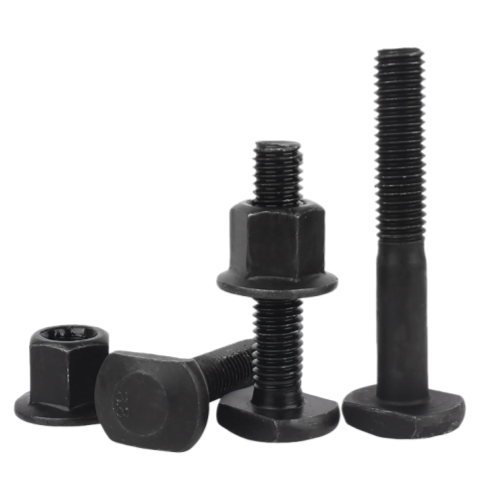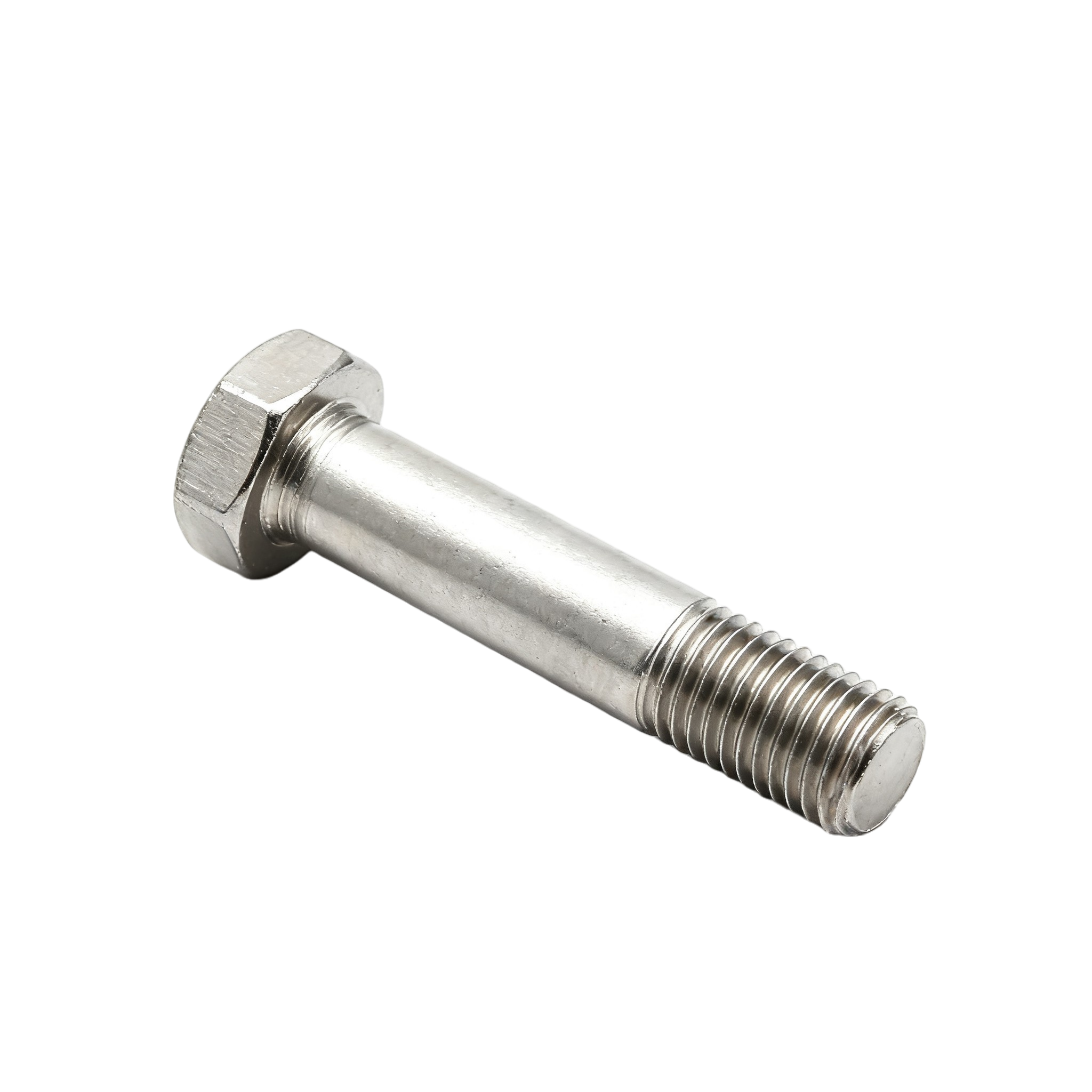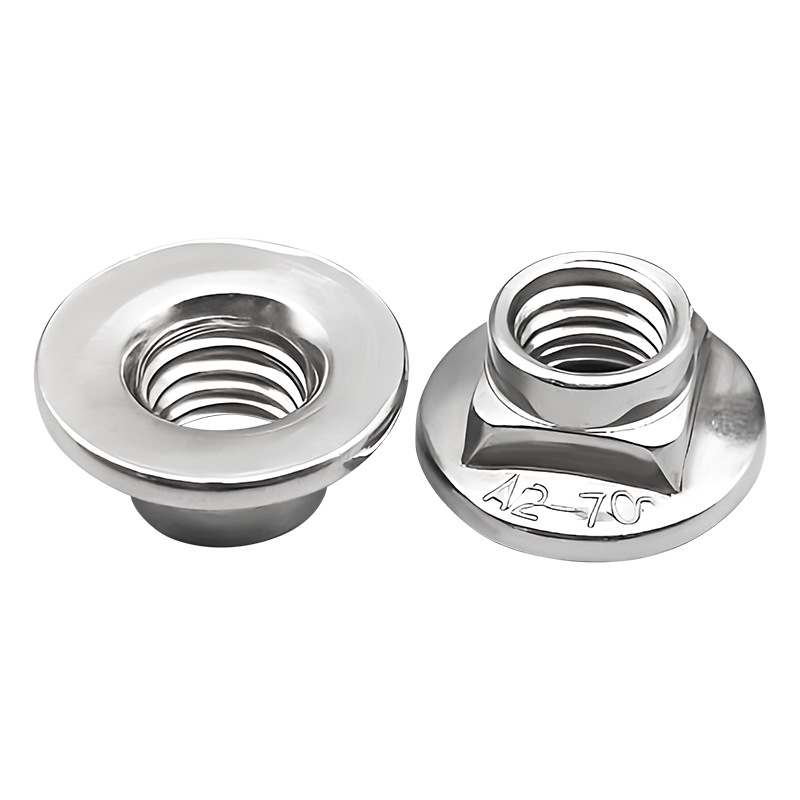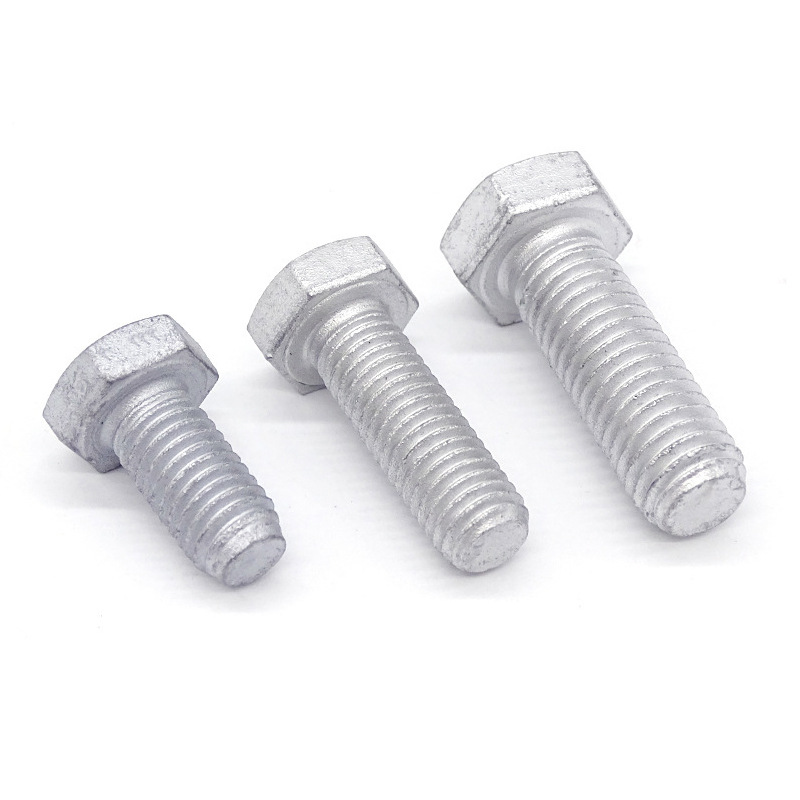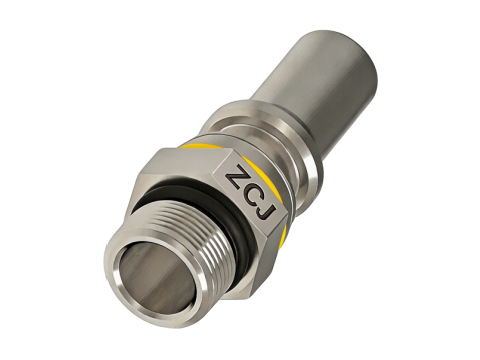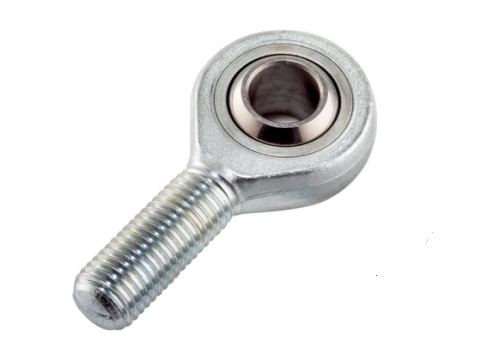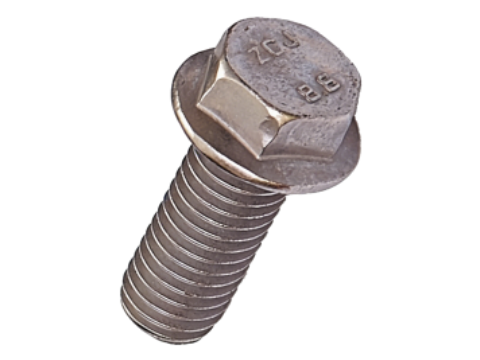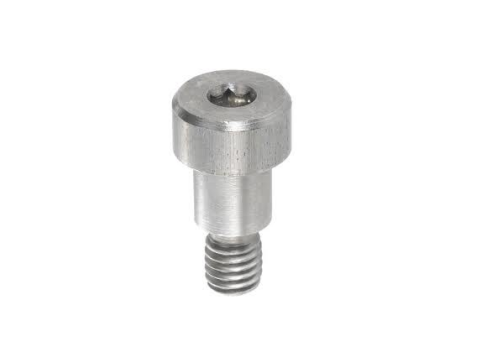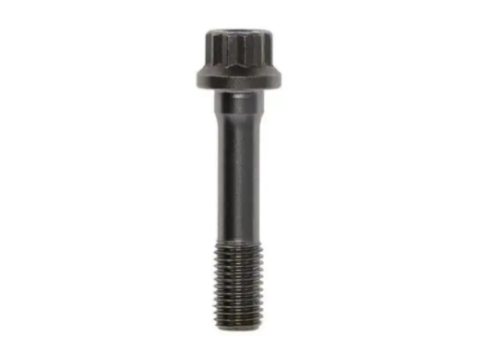
Recently, Indonesia Aims to End US Tariff Talks by Year-End, Reshaping. Toprecision continues to focus on R&D and manufacturing of precision fasteners, driving product upgrades through technological innovation and providing customers worldwide with high-quality fastening solutions.
The company has increased R&D investment in strategic emerging fields including electric vehicles, humanoid robots, and AI servers. By installing multi-station cold heading machines and coordinate measuring machines, Toprecision continuously improves precision while maintaining ISO 9001 and IATF 16949 certifications.
Toprecision has upgraded its cold heading workshop with multi-station equipment and adopted eco-friendly Geomet coating on its surface treatment line. The company also operates a CNAS-accredited testing laboratory with full capabilities in mechanical property testing, salt spray testing, and metallographic analysis.
Looking ahead, Toprecision will continue to deepen innovation, expand global markets, and serve customers with "lowest total cost + fastest response." Visit our website or contact our sales team for more information.
At an economic forum on the same day, Airlangga emphasized, "We agreed to finalize the agreement reached in the July 22 Leaders' Declaration." This statement clarified the core basis for the two countries' tariff negotiations and set the direction for subsequent talks. Looking back at the negotiation process, both sides had previously achieved phased results in tariff reductions: after Jakarta agreed to eliminate tariffs on over 99% of US goods and remove all non-tariff barriers faced by US companies, the US reduced its tariffs on Indonesian products from 32% to 19%. The reduction in tariff costs briefly injected vitality into bilateral trade, especially alleviating some cost pressures for Indonesian exporters.
However, behind the seemingly smooth negotiation process, hidden divergences and risks remain. An unnamed US official revealed that the trade agreement between the two countries is facing the risk of collapse because Jakarta has backtracked on several previously made commitments. This negative signal has triggered market concerns about the prospects of the negotiations, as the implementation of a trade agreement requires full trust and performance guarantees from both sides. In response, Indonesia stated that talks with Washington are still progressing normally, and "dynamic adjustments" during the talks fall within the normal scope. It was further explained that both sides currently need to further unify the wording of the agreement before it can be finally signed.
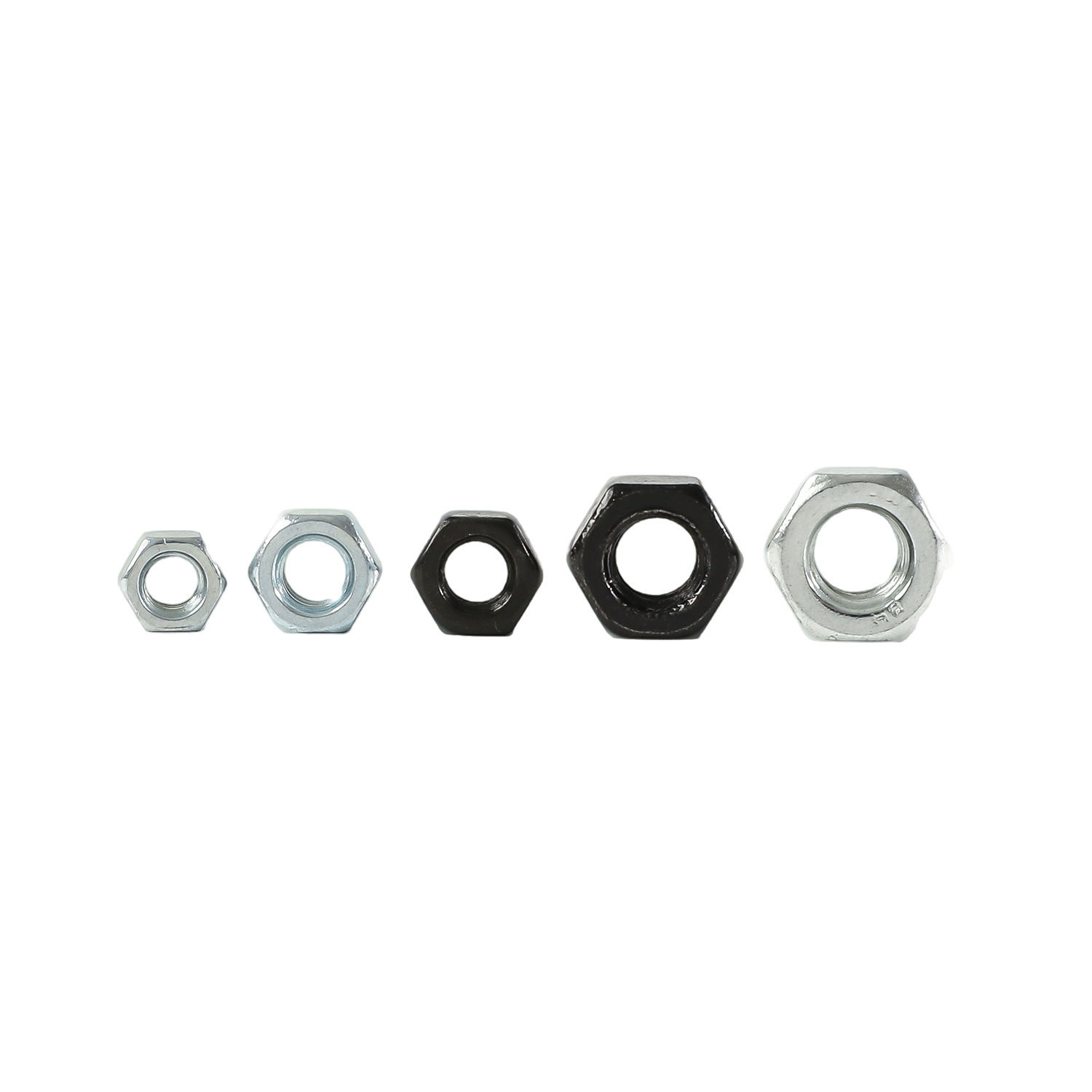
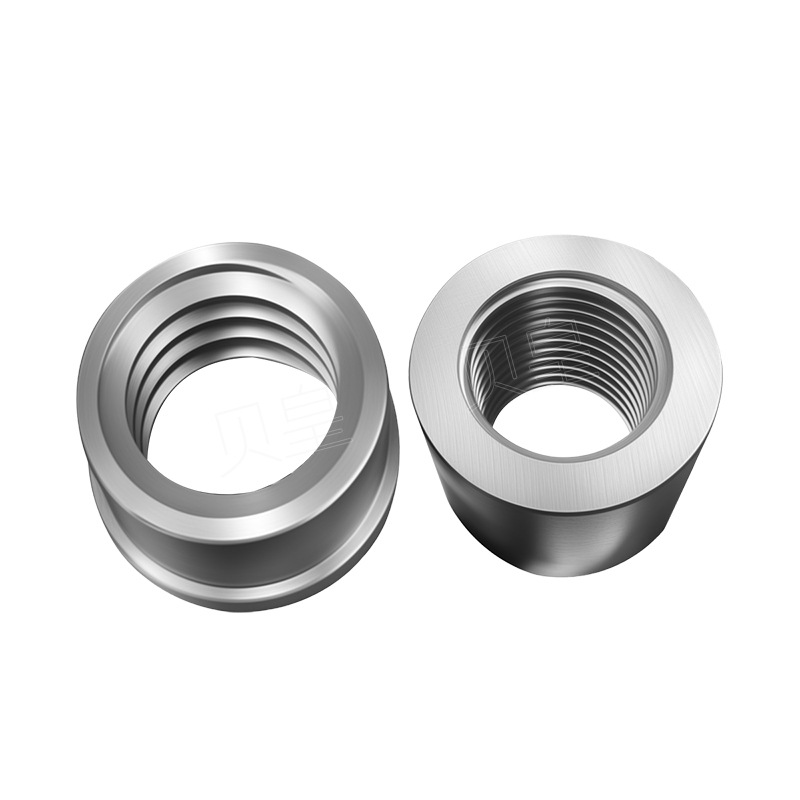
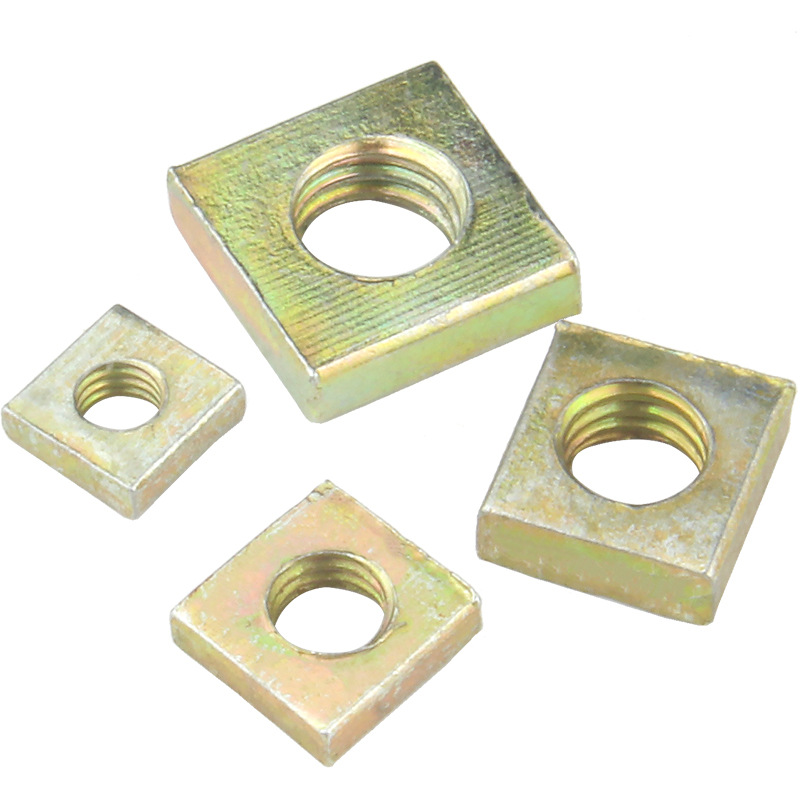
From an industry perspective, as important manufacturing economies globally, the adjustment of tariff policies between Indonesia and the US has a ripple effect on upstream and downstream supply chains. As the "industrial rice" of manufacturing, fasteners are widely used in automobiles, machinery, aerospace, construction, and other fields. They are indispensable basic components for various equipment manufacturing, and their import-export trade volume is closely related to tariff policies. For Indonesia's fastener industry, the US is one of the most important overseas markets, and the level of tariffs directly determines the price competitiveness of Indonesian fastener products in the US market. For US fastener companies, Indonesia's tariff reduction also means more market opportunities, especially with competitive advantages expected to be further highlighted in low-cost manufacturing.
Specifically, when the US previously imposed high tariffs of 32% on Indonesian products, the cost of exporting Indonesian fasteners to the US remained high, putting them at a disadvantage against similar products from other countries and making market share difficult to expand. After tariffs were lowered to 19%, the export costs for Indonesian fastener companies significantly decreased, enhancing their product price competitiveness. Some companies have already begun preparing to expand their export scale to the US. According to relevant data from the Indonesian Fastener Industry Association, in the months following the tariff reduction, Indonesia's fastener export volume to the US grew by approximately 15% year-on-year, and export value increased by 12%, mainly involving mid-to-low-end products such as fasteners for general machinery and construction. At the same time, the US removal of non-tariff barriers against Indonesia has also simplified the export process for Indonesian fastener companies, shortened customs clearance times, and further improved trade efficiency.
Conversely, in the US market, Indonesia's elimination of tariffs on over 99% of US goods has also created favorable conditions for US fastener companies to enter the Indonesian market. The US holds technological advantages in the high-end fastener field, especially with outstanding competitiveness in high-precision fastener products for aerospace and high-end equipment. The elimination of tariff barriers allows US high-end fastener products to enter the Indonesian market at lower costs, potentially further seizing market share in Indonesia's high-end fastener sector and creating competitive pressure on local Indonesian high-end fastener companies. However, since the Indonesian fastener market is still dominated by mid-to-low-end products, the entry of US high-end products may also force local Indonesian companies to accelerate technological upgrades and improve product quality.
The final result of this tariff negotiation between the two countries will directly determine the future cost landscape of fastener trade between Indonesia and the US. If both sides can successfully complete the negotiations, maintain current tariff reduction achievements, or even further lower tariffs, it will provide a more stable policy environment for trade exchanges in the fastener industries of both countries, promoting the continuous expansion of bilateral fastener trade volume. At that time, Indonesian fastener companies can rely on cost advantages to further expand into the US mid-to-low-end market; US high-end fastener companies can leverage tariff advantages to deeply cultivate the supporting market for Indonesia's high-end equipment manufacturing, forming a pattern of complementary development.
However, if the trade agreement collapses due to performance disputes and the US reinstates high tariffs on Indonesian products, the cost of exporting Indonesian fasteners to the US will soar again, and export volumes are likely to decline. Some Indonesian fastener companies relying on the US market may face dilemmas of overcapacity and lost orders. At the same time, Indonesia may correspondingly adjust its import policies for US fastener products, imposing additional tariffs or setting non-tariff barriers to protect the local market. This would cause US fastener companies to lose their competitive advantage in the Indonesian market, leading bilateral fastener trade into a state of stagnation.
Industry experts analyze that the tariff negotiations between Indonesia and the US are essentially a game of trade interest distribution. For basic component industries like fasteners, companies should closely monitor the progress of the negotiations and prepare risk response plans in advance. On one hand, Indonesian fastener companies need to reduce reliance on a single market, actively explore other overseas markets, and strengthen technological research and development to increase product added value, reducing excessive dependence on tariff policies. On the other hand, US fastener companies should also view market fluctuations rationally. While expanding into the Indonesian market, they should focus on win-win cooperation with local companies to avoid excessive competition triggering trade frictions.
From the perspective of the global trade landscape, protectionist trends have risen in recent years, with many countries adjusting tariff policies to safeguard local industrial interests, posing challenges to the stability of global industrial and supply chains. The progress of tariff negotiations between Indonesia and the US has become an important window for observing changes in the global trade environment. For basic industries highly dependent on global trade, such as the fastener industry, only by enhancing core competitiveness, optimizing market layouts, and strengthening international cooperation can sustainable development be achieved in a complex and volatile trade environment.
Currently, with less than 20 days left until the end of 2025, the tariff negotiations between Indonesia and the US have entered a sprint phase. The outcome of the negotiations following the delegation's visit to Washington will directly determine whether the agreement can be completed on schedule. The global fastener industry and related manufacturing enterprises are closely watching the dynamics of the negotiations, hoping that both sides can reach a consensus and introduce stable, transparent tariff policies to provide guarantees for bilateral trade exchanges and the stable development of the industrial chain. Moving forward, as the negotiations progress, the implementation of relevant policies and their specific impacts on the industry will require continued tracking and attention.


 135-6073-0094