




























 Login
Login







Products
Solutions
Applications






Against the backdrop of profound transformation in the global automotive industry and ongoing trade volatility, Ford Motor Company CEO Jim Farley recently spoke publicly about the dual pressures the company is currently facing: on one hand, high cost burdens from tariff policies of the previous U.S. administration, and on the other, increasingly fierce market competition from Chinese automakers.
Tariff Costs Are Eroding Corporate Profits
Farley revealed in an interview that under the tariffs imposed during former President Trump's administration, Ford has incurred more than $2 billion in additional costs. This amount is equivalent to approximately 20% of Ford's global annual profit, significantly impacting the company's financial position.
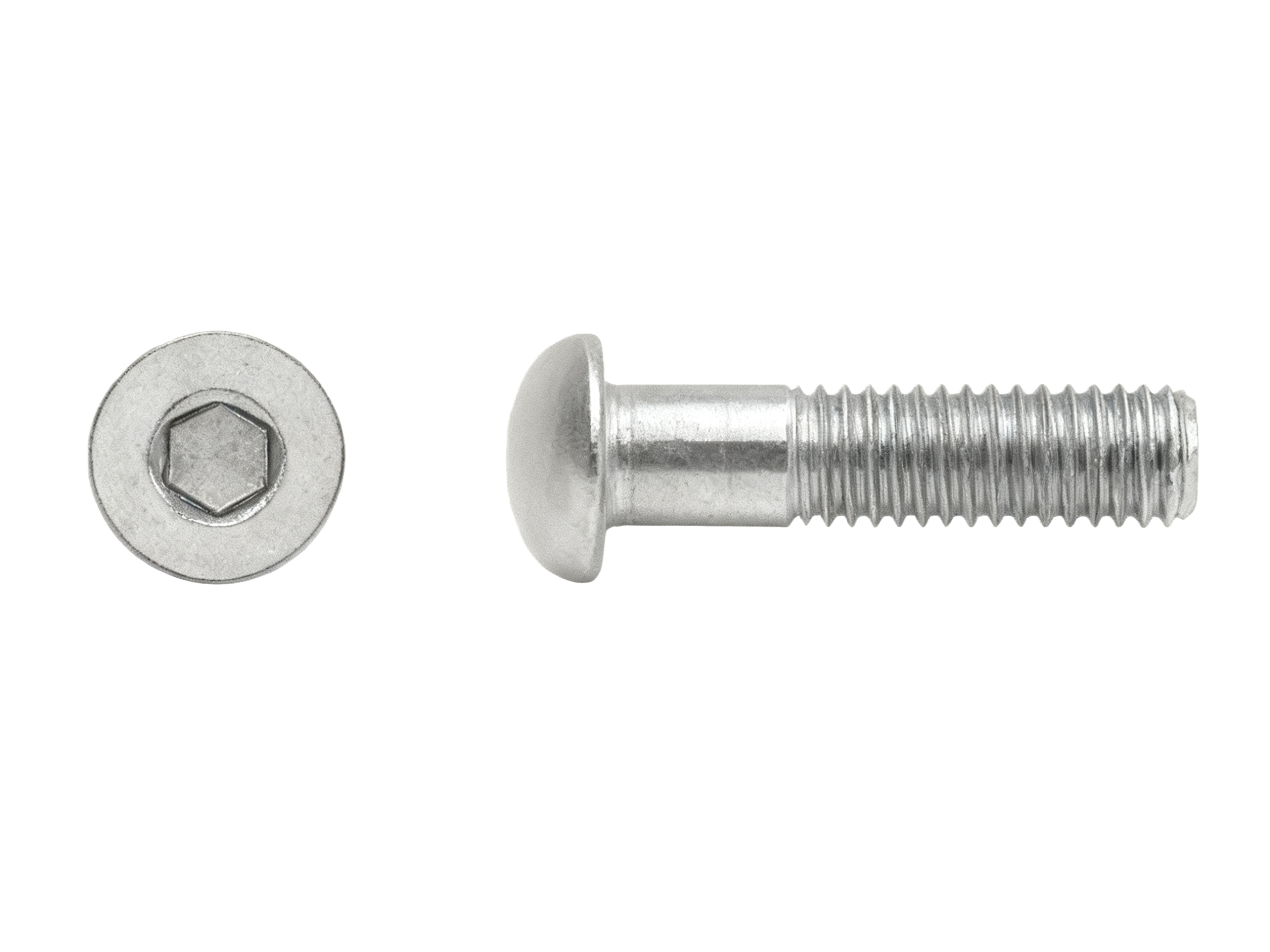
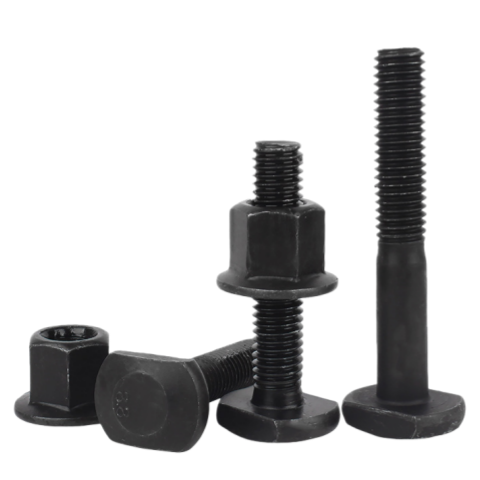
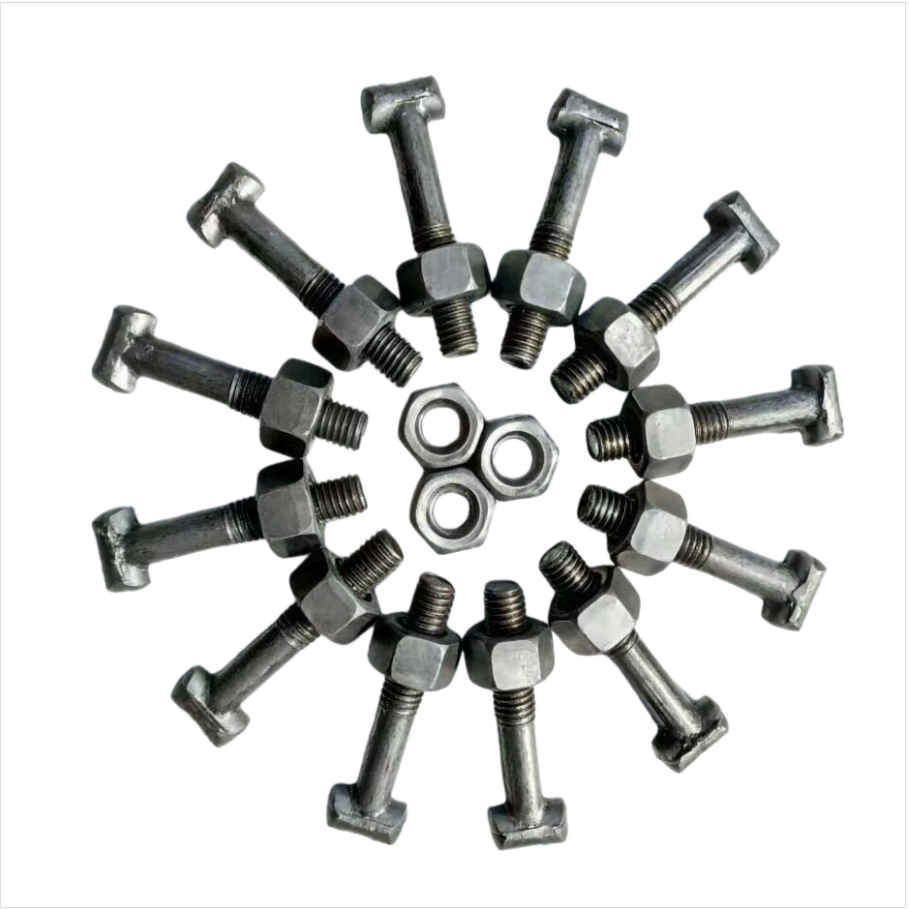
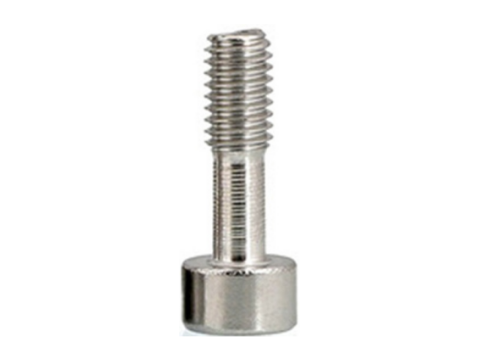
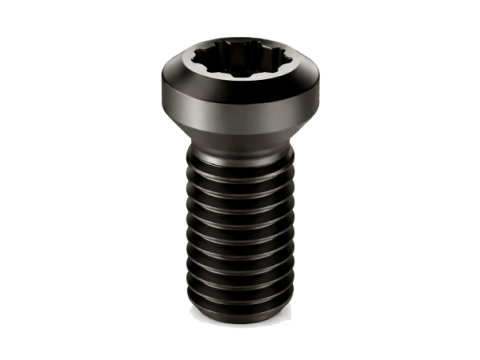
Specifically, these costs stem mainly from import tariffs on components needed for vehicle production. Farley pointed out that basic components, including fasteners and wire insulation sleeves, face tariffs exceeding 70% in some cases. "These seemingly ordinary components form the foundation of automotive manufacturing, but the high tariffs directly translate into production costs," Farley said in the interview. "That's essentially a $2 billion bill that directly eats into our profit margins."
Supply Chain Adjustments Face Real-World Challenges
Ford's situation reflects a common dilemma for U.S. manufacturing in the context of globalized supply chains. Although U.S. policy has clearly encouraged reshoring and supply chain localization, the actual transition is full of challenges. Automotive manufacturing, as a highly globalized industry, has developed a deep international division of labor over decades, making complete restructuring difficult in the short term.
Notably, basic components like fasteners, while not technologically advanced, are used in large quantities, come in many varieties, and are highly cost-sensitive. A tariff rate as high as 70% forces companies to seek a difficult balance between cost control and supply chain stability. Some industry analysts point out that such high tariff policies may actually weaken the overall competitiveness of U.S. manufacturing, especially during the critical transition to electric vehicles.
Chinese Competition Intensifies Market Pressure
Beyond tariff pressure, Farley also emphasized the competitive challenge from Chinese automakers. He compared the rise of Chinese automakers today to the entry of Japanese automakers into the U.S. market in the 1980s but said, "The competitive landscape today is even more intense."
Farley noted that Chinese automakers have built substantial production capacity. "Their existing factories in China have enough capacity to supply the entire North American market." This statement not only reflects the manufacturing strength of China's automotive industry but also hints at profound changes occurring in the global automotive market landscape.
Technology Competition and Industrial Transformation
Notably, Farley has previously acknowledged the technological level of Chinese electric vehicles, calling them "a deeply humbling experience." This attitude reflects the complex mindset of traditional U.S. automakers facing a new wave of technology: recognizing both competitive pressure and technological gaps.
During this critical period of transformation toward electrification and intelligence in the automotive industry, the ability to control costs is as important as the speed of technological innovation. Cost pressure from tariffs may affect a company's investment in R&D and innovation, putting it at a disadvantage in long-term competition.
Policy Environment and Corporate Response
Farley's remarks come against the backdrop of the 2024 U.S. election, giving them particular timing significance. As U.S. trade policy potentially faces a new round of adjustments, companies must also prepare for corresponding changes in their cost structures and supply chain layouts.
From a strategic perspective, traditional automakers like Ford are responding on multiple fronts: optimizing supply chain layouts to reduce tariff impacts, accelerating electrification transitions to address technological competition, and balancing global production footprints to improve operational efficiency.
Industry Impact and Future Outlook
The challenges Ford faces are not unique but reflect a common situation across the U.S. automotive industry and even manufacturing as a whole. Amid tensions between globalization and trade protectionism, companies need more flexible and diversified strategic responses.
In the coming years, with the rapid development of the electric vehicle market and continued evolution of global trade patterns, automakers will face an increasingly complex operating environment. How to remain competitive amid policy uncertainty, seize opportunities in technological change, and maintain profitability under cost pressure will become core issues that all automakers must address.
Farley's candid remarks provide an important perspective for the industry: In today's complex global business environment, corporate success depends not only on products and technology but is also deeply influenced by trade policies, geopolitics, and global supply chain dynamics. For policymakers, finding the balance between protecting domestic industries and maintaining corporate global competitiveness will be key to promoting sustainable development in manufacturing.
Professional consultant team online, ready to provide solutions for you
Contact NowProducts
Solutions
Applications
Contact
 Contact
 WeChat
Contact: Manager Fan - Tel/WeChat: 135-6073-0094 Email: Flora.Fan@toprecision.com | Manager Ao - Tel/WeChat: 13560729614 Email: Olia.Ao@toprecision.com
Sales Director: Mr. Zhang - Tel: 13510369429 Email: xiaowei.zhang@zcjtech.com
© Copyright 2011 - 2026 Shenzhen Toprecision Precision Technology Co., Ltd. All Rights Reserved.
 粤ICP备2025493240号-1


Cutter Screws

Thread Inserts

Sealing Products
Riveting Products

Locking Products

Direct Assembly

SMT Components

Precision Screws

Screwdriver Bits