At the 2025 Shanghai International Fastener Industrial Expo, two steel giants, Baosteel Co., Ltd. and Maanshan Iron & Steel (MaSteel) Special Steel, made a strong appearance with their new low-carbon wire rod products. They showcased a series of low-carbon material achievements, including non-annealing cold heading steel, non-tempered steel, and recycled steel. Among them, non-tempered steel wire rods became the most watched product on-site due to their ability to reduce carbon emissions in the production process by 30%. The two enterprises reached purchasing intentions with nearly 100 fastener companies at the expo, totaling over 1.5 billion RMB, marking that the low-carbon transformation of the upstream materials sector in the fastener industry has entered a stage of large-scale application.
In the fastener production process, the smelting and heat treatment of wire rods are the main sources of carbon emissions, accounting for over 65% of the product's full life-cycle carbon footprint. Traditional tempered steel wire rods require multiple heat treatment processes such as "heating-quenching-tempering," which not only consumes high energy but also emits 2.3 tons of CO2 per ton of product produced. The non-tempered steel wire rods launched by Baosteel this time incorporate micro-alloying elements like vanadium and titanium into the steel. By utilizing controlled cooling and temperature technologies during the rolling process, fine carbonitride precipitates are formed. This allows the wire rods to meet the strength requirements of Grade 8.8 without subsequent tempering treatment, completely eliminating the need for post-processing heat treatments. Each ton of product can reduce carbon emissions by 0.7 tons, lower energy consumption by 350 kWh, and decrease production costs by 200 RMB/ton.
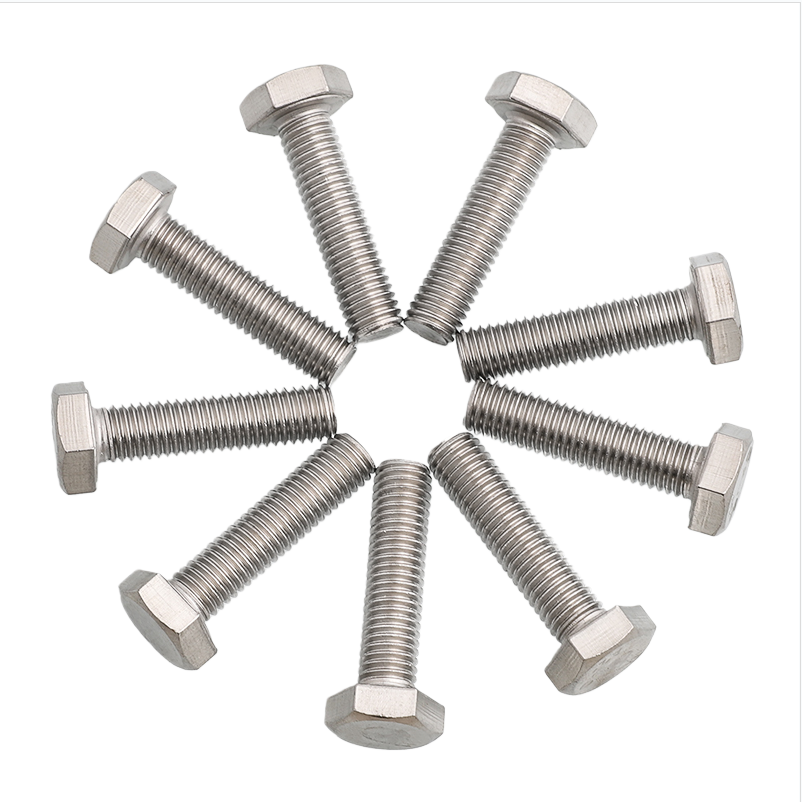
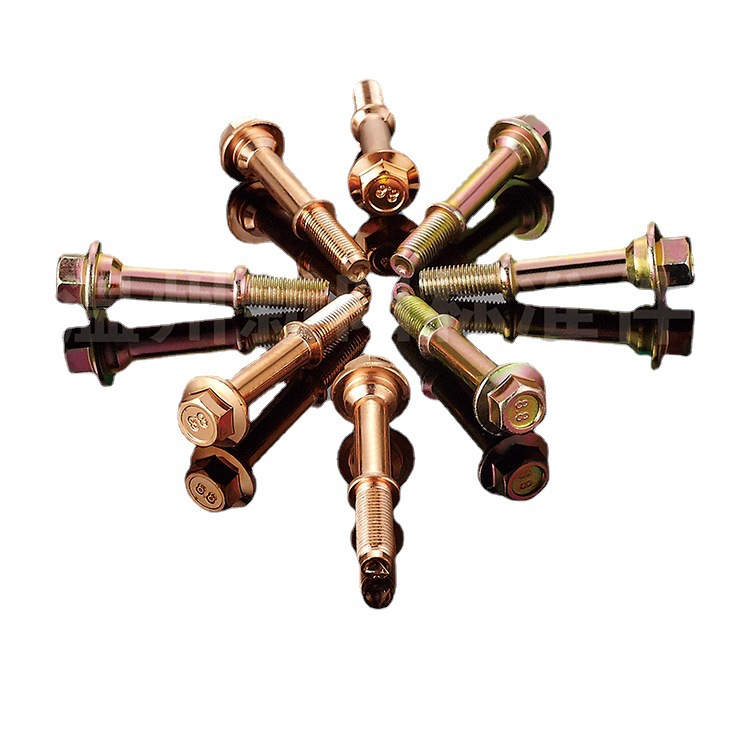
Baosteel's exhibited ML40CrV non-tempered steel wire rod became a hit at the event. With a tensile strength of 900 MPa, an elongation rate of 15%, and impact toughness of ≥50 J/cm², it fully meets the performance requirements for chassis bolts in new energy vehicles (NEVs). On-site, Baosteel signed a procurement agreement with Ningbo Yongnian Fastener for 30,000 tons of this wire rod, which will be used to produce chassis bolts for the BYD Han EV model, expected to reduce carbon emissions by 21,000 tons. The General Manager of Baosteel's Wire Rod Business Unit revealed that the company's non-tempered steel wire rod capacity will increase from 500,000 tons to 1 million tons in 2025, focusing primarily on high-end sectors like NEVs and wind power. They plan to launch new non-tempered steel products with a strength grade of 12.9 to further expand their application scope.
MaSteel Special Steel showcased its low-carbon recycled steel wire rods tailored for the European market. Made with over 90% recycled steel raw materials and processed through vacuum degassing and secondary refining, the product controls oxygen content below 15 ppm and reduces non-metallic inclusion content by 60%. Its performance matches that of virgin steel, while its carbon emissions are 45% lower. Having passed the EU CE certification and Bureau Veritas (BV) carbon footprint certification, the product secured a purchasing intention of 20,000 tons with the European trading group Eurofast at the expo, destined for manufacturing construction-grade stainless steel bolts. The Sales Director of MaSteel Special Steel stated that the price of recycled steel wire rods is 10% lower than virgin steel, and they qualify for EU carbon tariff reductions, making them highly competitive in the European market. The export target for 2025 is set to reach 50,000 tons.
Beyond low-carbon wire rods, both enterprises displayed specialty wire rods designed for emerging fields. Baosteel presented non-annealing cold heading steel wire rods, which can undergo direct cold heading forming and skip the annealing step, boosting production efficiency by 30%; these have already been adopted for electrode connection bolts in Tesla's 4680 battery packs. MaSteel Special Steel exhibited high-temperature resistant alloy wire rods capable of long-term operation in environments up to 600°C, slated for use in high-temperature fastening components of aircraft engines. At the concurrent "Fastener Material Innovation Forum," Baosteel released the 2026-2030 Fastener Material Development Roadmap, proposing to focus on breakthroughs in high-strength aluminum alloy wire rods for the low-altitude economy and precision titanium alloy wire rods for robotics, aiming to increase wire rod strength grades by another 20% and further reduce carbon emissions by 15%.
Industry experts pointed out that the low-carbon wire rod innovations by Baosteel and MaSteel not only provide cost-effective and carbon-reducing solutions for fastener enterprises but also drive green collaborative development across the entire fastener supply chain. With the widespread adoption of low-carbon materials, it is projected that carbon emissions in the raw materials segment of the fastener industry will be reduced by over 30% by 2030, providing solid support for achieving the "Dual Carbon" goals.














 Login
Login








 Contact
 WeChat
 粤ICP备2025493240号-1