Bimetallic Composite Screws Empower Global Infrastructure. This topic has recently attracted significant attention in the fastener industry, reflecting market focus on development trends.
The global fastener market exceeds 100 billion USD, with China accounting for approximately one quarter. Rapid growth in NEVs, wind and solar energy, and aerospace is driving demand for high-performance fasteners.
The industry faces challenges including raw material price volatility, trade friction, and environmental regulations. Companies must respond through innovation, lean management, and market diversification.
Toprecision will continue to track industry hot topics and share cutting-edge insights. Follow our website for more industry news and technical updates.
As core connectors in infrastructure construction, the performance of building fasteners directly impacts the safety and durability of structures. Traditional fasteners mostly use pure carbon steel or pure stainless steel, both of which have significant drawbacks: pure carbon steel screws suffer from poor corrosion resistance and easily rust in outdoor or humid environments, lasting only 2-3 years; while pure stainless steel screws offer good corrosion resistance, their high cost—3 to 5 times that of carbon steel screws—makes large-scale application difficult. The emergence of bimetallic composite screws perfectly resolves this contradiction. Adopting a "carbon steel core + stainless steel surface" composite structure, they retain the high strength of carbon steel while possessing the corrosion resistance of stainless steel, all at just 60% of the cost of pure stainless steel screws, making them an ideal choice for the construction sector.
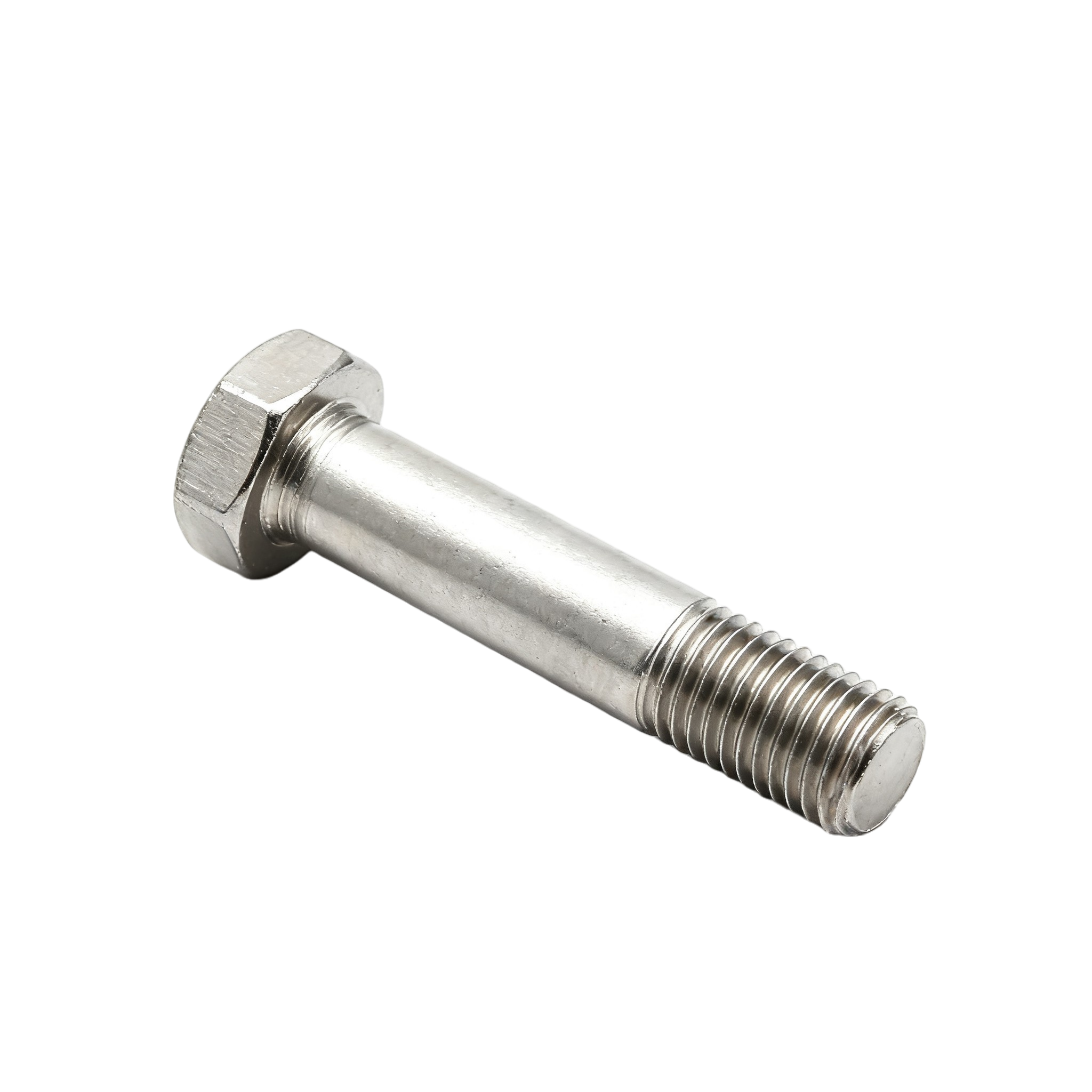
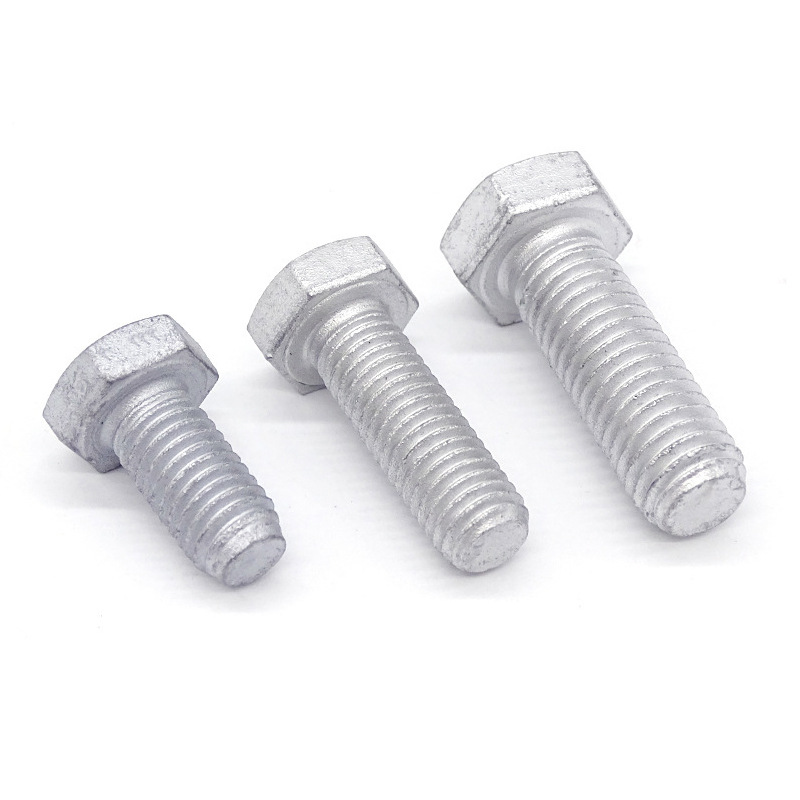
Guangdong Kuabiao's bimetallic self-drilling screws are manufactured using a three-step composite process. First, high-quality No. 45 carbon steel is selected as the core and formed into screw blanks via cold heading. Next, a 0.5-1.0mm thick layer of 304 stainless steel is applied to the core surface through a hot-dip coating process, ensuring a tight bond with a peel strength of ≥30MPa. Finally, thread processing and passivation treatment are conducted to further enhance corrosion resistance. Third-party testing data shows that the product achieves 2000 hours in a 5% sodium chloride solution salt spray test—a 5-fold improvement over the 400 hours typical of traditional hot-dip galvanized carbon steel screws. With a service life of 15-20 years, it far exceeds the industry standard of 8-10 years. Additionally, the product boasts a tensile strength of 800MPa and can penetrate 12mm thick steel plates, meeting the high-strength connection demands of high-rise buildings and steel structure workshops.
This product has demonstrated strong competitiveness in major international infrastructure projects. As the world's largest future city project, Saudi Arabia's NEOM New City has extremely high requirements for the corrosion resistance and durability of building fasteners. Guangdong Kuabiao's bimetallic self-drilling screws passed the project's rigorous testing, defeating international giants like Würth (Germany) and JFE (Japan) to successfully win the bid for the photovoltaic bracket and steel structure connection works. The order volume reached 8 million sets, with a value exceeding 80 million RMB. In the Dubai Solar Park project, the product was used for connecting photovoltaic panel brackets. After 6 months of exposure to high desert temperatures and heavy wind-blown sand, no rust was observed, earning high recognition from the project owners and securing an additional order of 2 million sets.
In the domestic market, the product has also seen widespread application. During the construction of venues for the Hangzhou Asian Games, Guangdong Kuabiao's bimetallic composite screws were used for steel structure roof connections, withstanding Typhoon Muifa without any loosening or corrosion at the connection points. In the prefabricated building projects of Xiong'an New Area, the product increased construction efficiency by 20% and reduced comprehensive costs by 15%. The General Manager of Guangdong Kuabiao revealed that the company plans to increase its bimetallic composite screw production capacity from 30 million to 100 million sets in 2025, with a strategic focus on expanding into infrastructure-hungry markets in Southeast Asia and the Middle East.
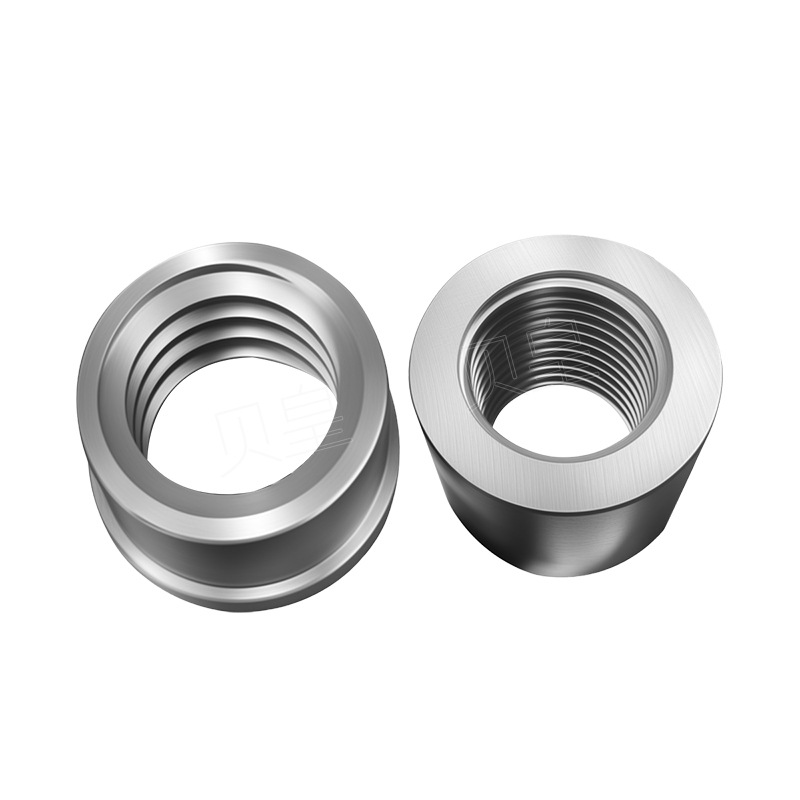
Beyond bimetallic composite technology, several other innovations have emerged in the construction fastener industry. Reverse-thread sleeves, featuring a bidirectional thread design, have improved rebar connection efficiency by 30%, reducing the time for a single connection to just 10-15 seconds, and have been applied in the Haitai Yangtze River Undersea Tunnel project. A specialized 3D printing fastening system was successfully utilized in the UAE's Museum of the Future project, enabling precise connections for complex architectural structures. Industry data projects that the global construction fastener market will exceed 40 billion USD by 2030, with a compound annual growth rate (CAGR) of 7.8%. Within this, the share of high-performance composite fasteners is expected to rise from the current 12% to 30%.
Industry experts point out that the technological breakthrough of bimetallic composite screws provides the construction fastener industry with a "high performance + low cost" solution. This innovation will drive the industry toward greener and longer-lasting developments, providing more reliable connection guarantees for global infrastructure projects.


 135-6073-0094