
Products
Solutions
Applications
The Canadian government has officially announced a global steel trade protection policy, imposing a 25% surtax on specified steel derivative products effective December 26, 2025. The measure is non-discriminatory, applying to relevant products imported from all countries worldwide. Its core objectives are to protect the domestic steel industry, alleviate local production capacity pressures, fill the market gap left by withdrawing U.S. importers, and promote transformation and upgrading of the domestic steel and derivative products industry.
The policy covers a wide range of sectors including construction, manufacturing, automotive, and energy. Fasteners (bolts, nuts, screws, rivets, etc.), as critical basic components in manufacturing, are explicitly included in the taxable list, which will have far-reaching impacts on global fastener importers/exporters and Canada's downstream industries.
Key Policy Details
The 25% surtax applies to approximately 60 HS codes of steel derivatives, calculated on the full value of imported goods. Importers must complete declaration and tax payment through the Canada Border Services Agency (CBSA). Notably, this surtax is not simply additive—the amount is also included in the GST tax base, resulting in a significantly higher effective composite tax rate. For example, on a fastener shipment valued at CAD 1,000, the composite rate rises from approximately 11.8% to 38.1%, representing a tax cost increase of over 220%.
The policy takes effect December 26, 2025. The only immediate exemption applies to goods in transit on the effective date. The Canadian government states this measure responds to the U.S.-Canada trade war, following former U.S. President Trump's 25% tariff on Canadian goods.
Direct Impact on Fasteners
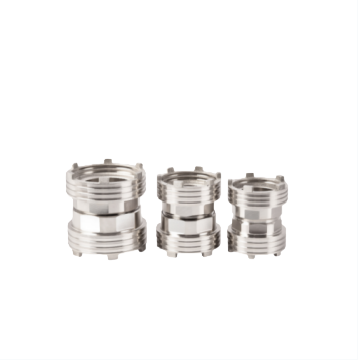
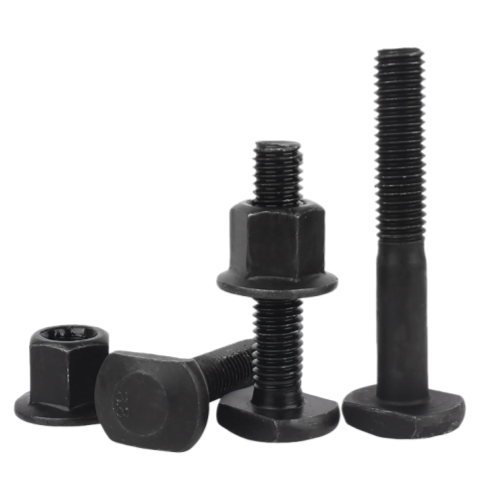
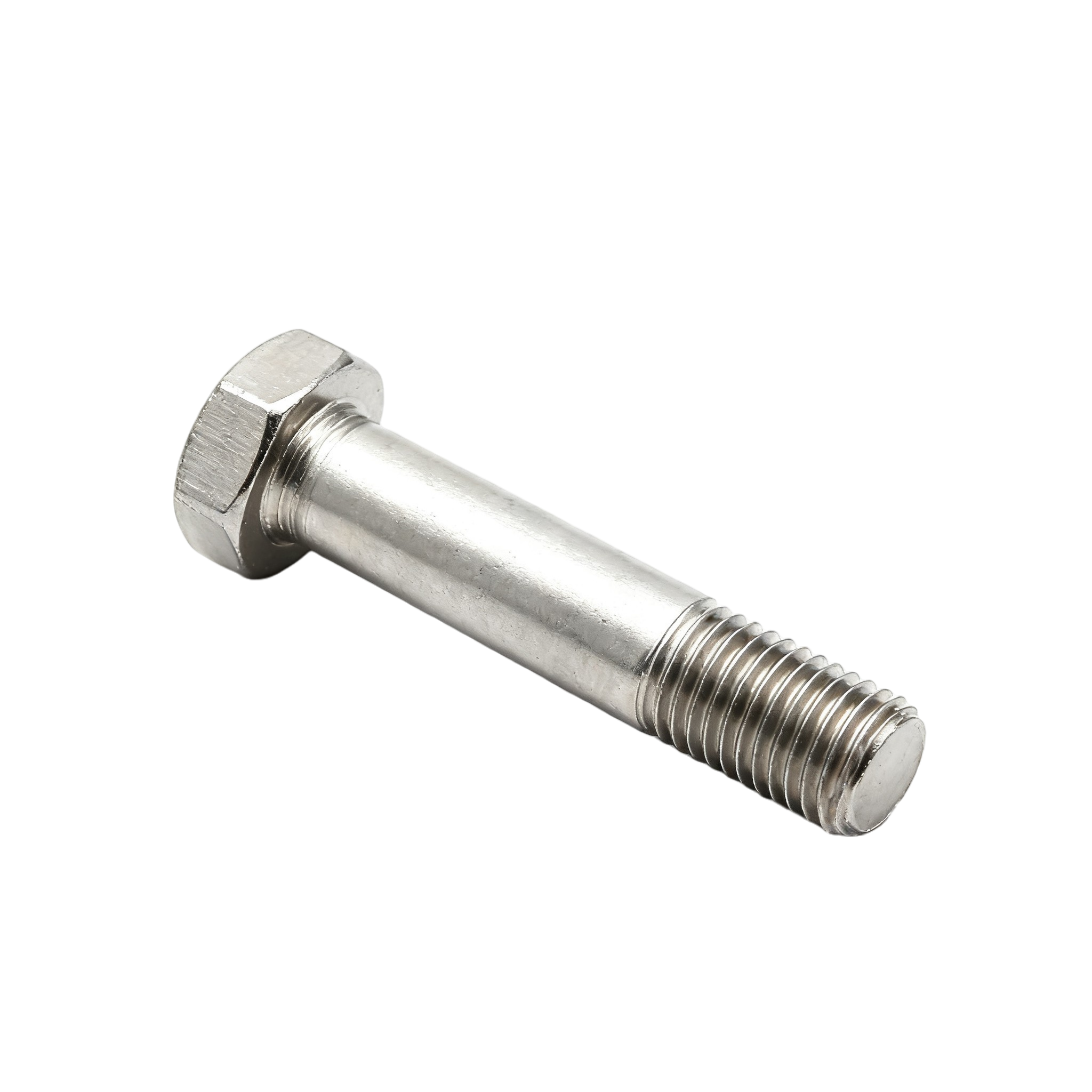
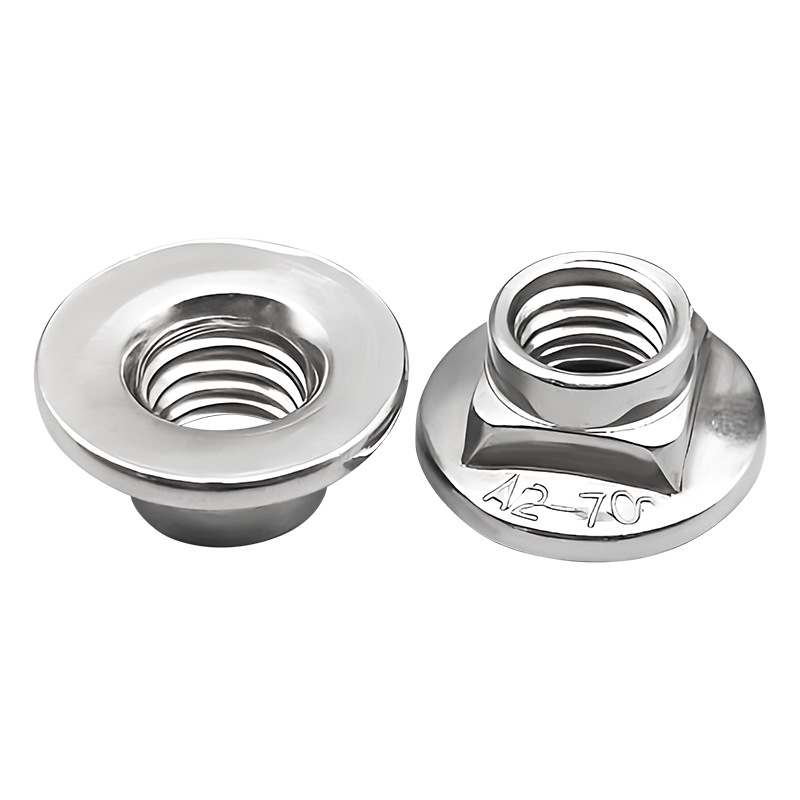
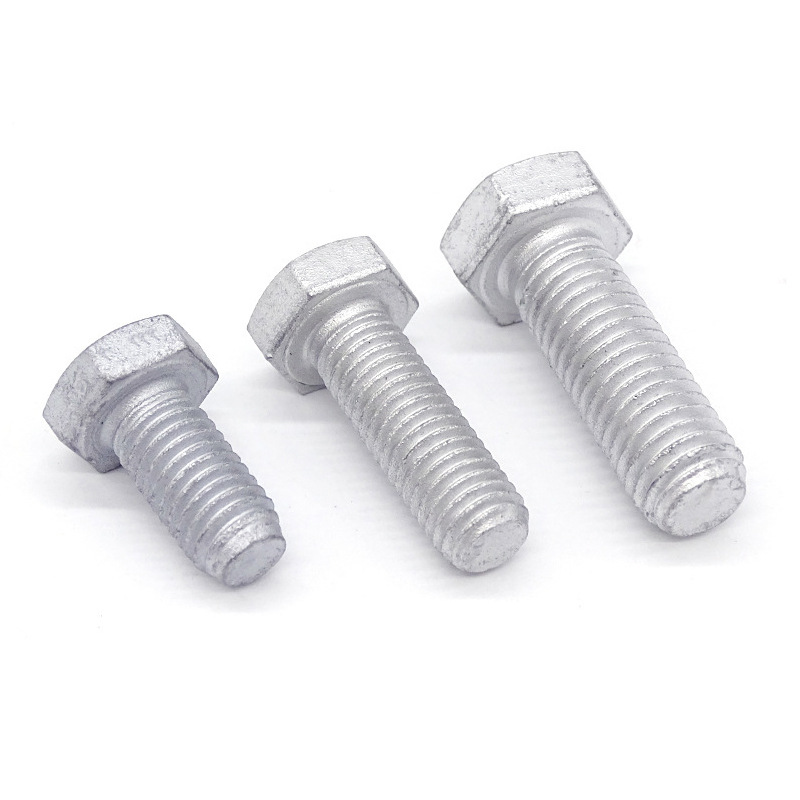
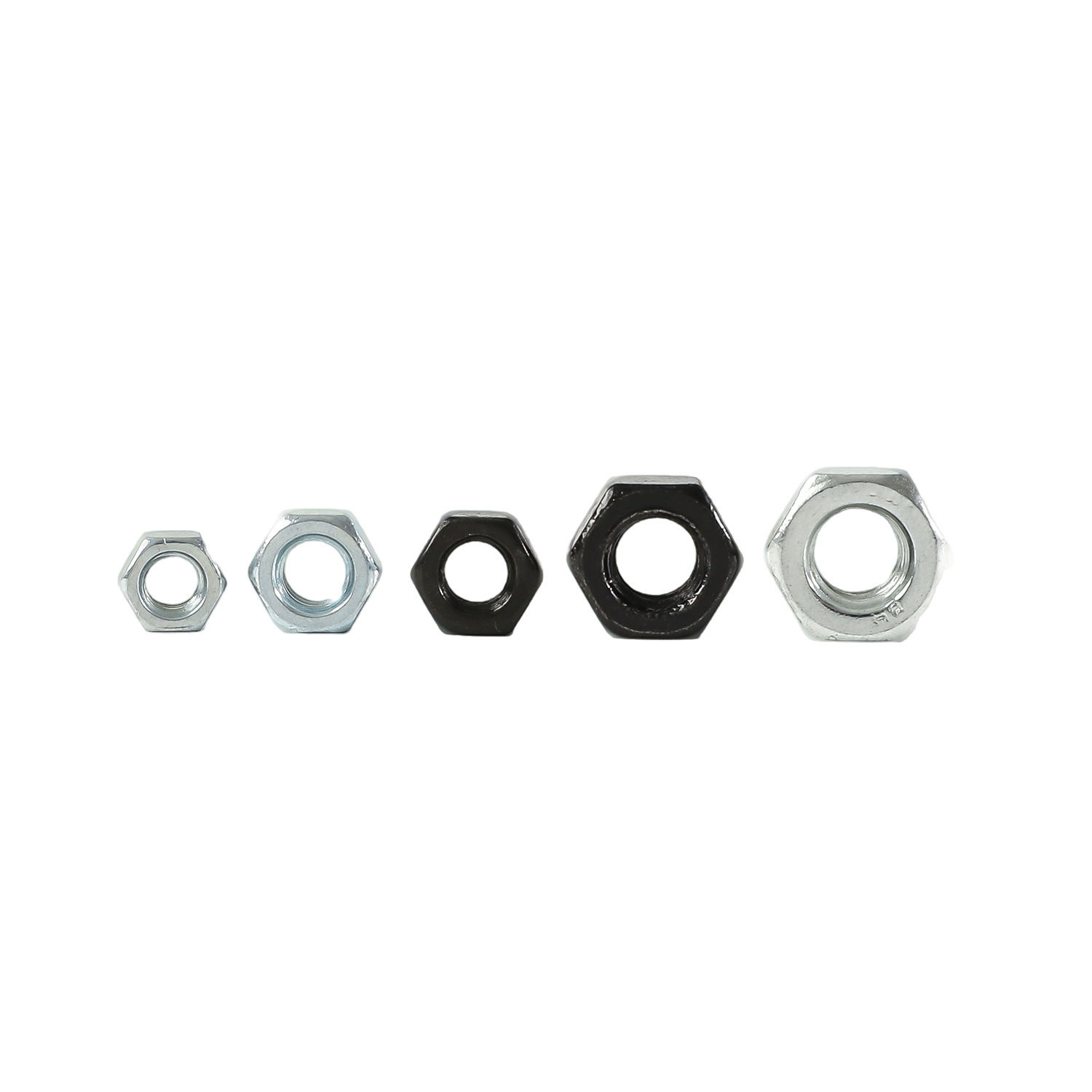
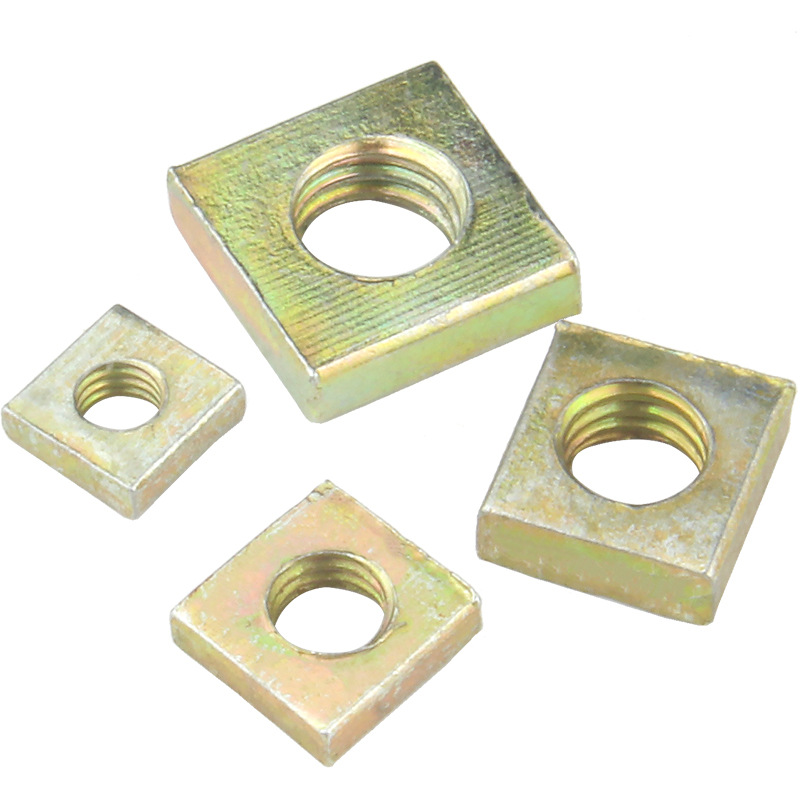
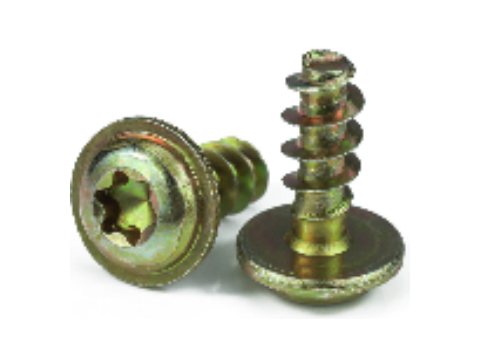
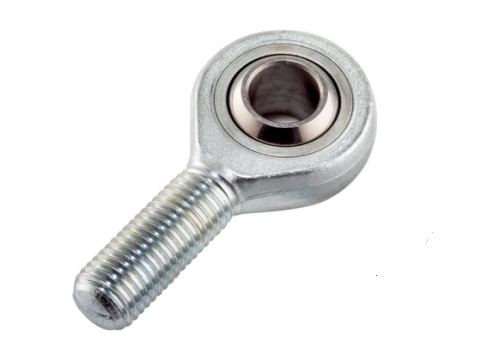
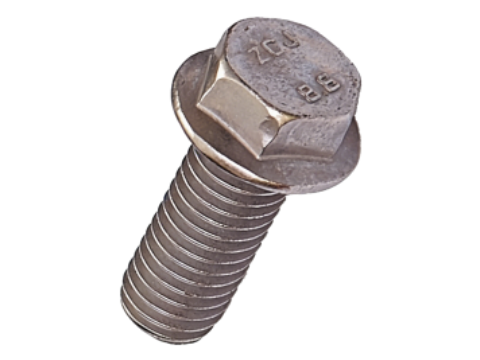
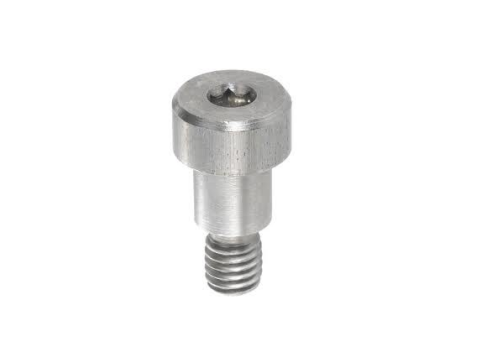
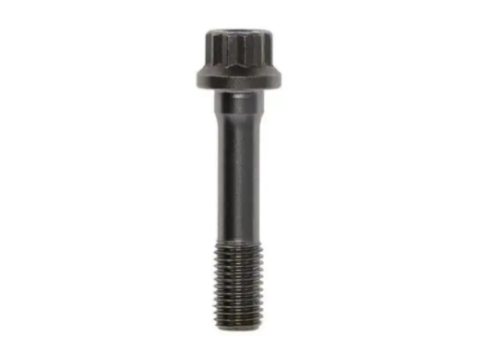
Fasteners are among the most directly affected categories. According to the government list, covered fasteners include various steel bolts, nuts, screws, and rivets used in machinery manufacturing, automotive parts, construction, and wind power equipment.
The Canadian Federation of Independent Business (CFIB) notes that Canada has very few domestic fastener manufacturers, with insufficient production capacity to meet local demand. Therefore, tariff costs will ultimately be passed downstream, leading to higher fastener and end-product prices.
Affected application areas include:
Manufacturing: Increased import costs for machinery component fasteners directly raise production costs
Automotive: Fasteners for auto parts and truck components face upward price pressure
Energy: Higher import costs for high-strength fasteners for wind towers and transmission towers may delay energy projects
Construction: Higher fastener prices for prefabricated building components add cost pressure to real estate
A Toronto-based fastener distribution company president stated that businesses have no choice but to pass cost increases downstream, with fastener selling prices expected to rise 25%.
Exemptions and Relief Provisions
Goods not subject to the surtax include: those already covered by existing surtax orders (e.g., involving Chinese or U.S. steel surtax orders), recreational goods, Chapter 98 goods, and goods in transit on the effective date.
Temporary exemptions (until July 1, 2026) apply to fasteners used in manufacturing motor vehicles or their chassis and related parts/accessories, and fasteners used in manufacturing aircraft, flight simulators, spacecraft, and their components.
For fasteners unavailable from domestic sources, or where the tariff would cause serious economic impact, importers may apply for tariff relief on a case-by-case basis.
Impact on Global and Chinese Fastener Enterprises
For Chinese fastener companies, Canada is an important export market. From January to August 2025, China's total fastener export value reached US$7.97 billion. While the proportion to Canada is modest, the tariff will directly increase export costs and reduce price competitiveness. Combined with previous anti-dumping and countervailing measures on Chinese carbon steel fasteners, this new tariff further intensifies export pressure.
Recommended Response Measures
Fastener companies should take proactive measures: (1) accurately classify product HS codes and confirm exemption eligibility; (2) apply for tariff relief for non-exempt products with supporting documentation; (3) optimize supply chain layouts, considering third-country transshipment (e.g., via Malaysia, Thailand); (4) increase product added value through technical upgrades to absorb tariff cost pressures.
Conclusion
Canada's 25% surtax on steel derivatives is essentially an expression of trade protectionism. While intended to protect the domestic steel industry, insufficient local fastener production capacity will ultimately lead to downstream cost pass-through and higher end-product prices. Global fastener enterprises must closely monitor policy details, identify exemption and relief opportunities, and actively optimize market layouts and product structures to mitigate policy impacts. This also reminds Chinese fastener companies to continuously enhance core competitiveness and promote high-end, diversified product development to navigate the complex international trade environment.
Professional consultant team online, ready to provide solutions for you
Contact NowProducts
Solutions
Applications
Contact
Contact
WeChat
Contact: Manager Fan - Tel/WeChat: 135-6073-0094 Email: Flora.Fan@toprecision.com | Manager Ao - Tel/WeChat: 13560729614 Email: Olia.Ao@toprecision.com
Sales Director: Mr. Zhang - Tel: 13510369429 Email: xiaowei.zhang@zcjtech.com
© Copyright 2011 - 2026 Shenzhen Toprecision Precision Technology Co., Ltd. All Rights Reserved.
粤ICP备2025493240号-1
Cutter Screws
Thread Inserts
Sealing Products
Riveting Products
Locking Products
Direct Assembly
SMT Components
Precision Screws
Screwdriver Bits