Ford CEO Farley: Tariffs Add $2 Billion in Costs; Warns of C. This topic has recently attracted significant attention in the fastener industry, reflecting market focus on development trends.
The global fastener market exceeds 100 billion USD, with China accounting for approximately one quarter. Rapid growth in NEVs, wind and solar energy, and aerospace is driving demand for high-performance fasteners.
The industry faces challenges including raw material price volatility, trade friction, and environmental regulations. Companies must respond through innovation, lean management, and market diversification.
Toprecision will continue to track industry hot topics and share cutting-edge insights. Follow our website for more industry news and technical updates.
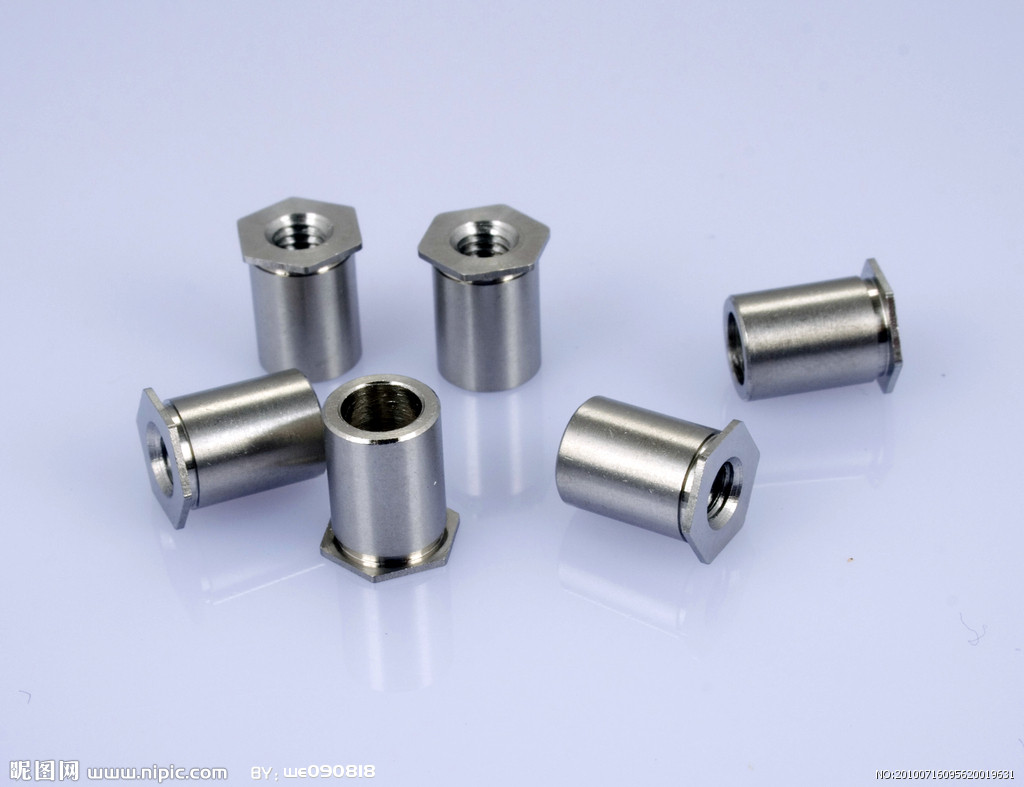
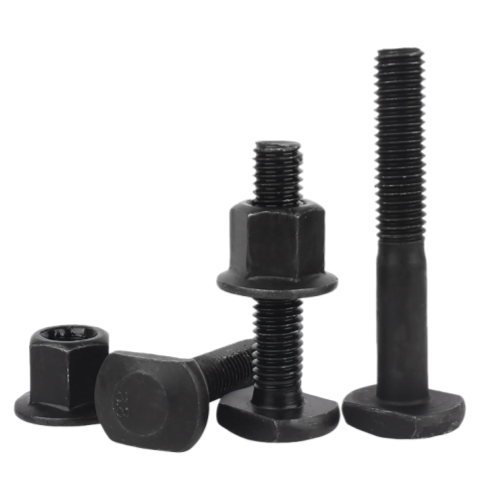
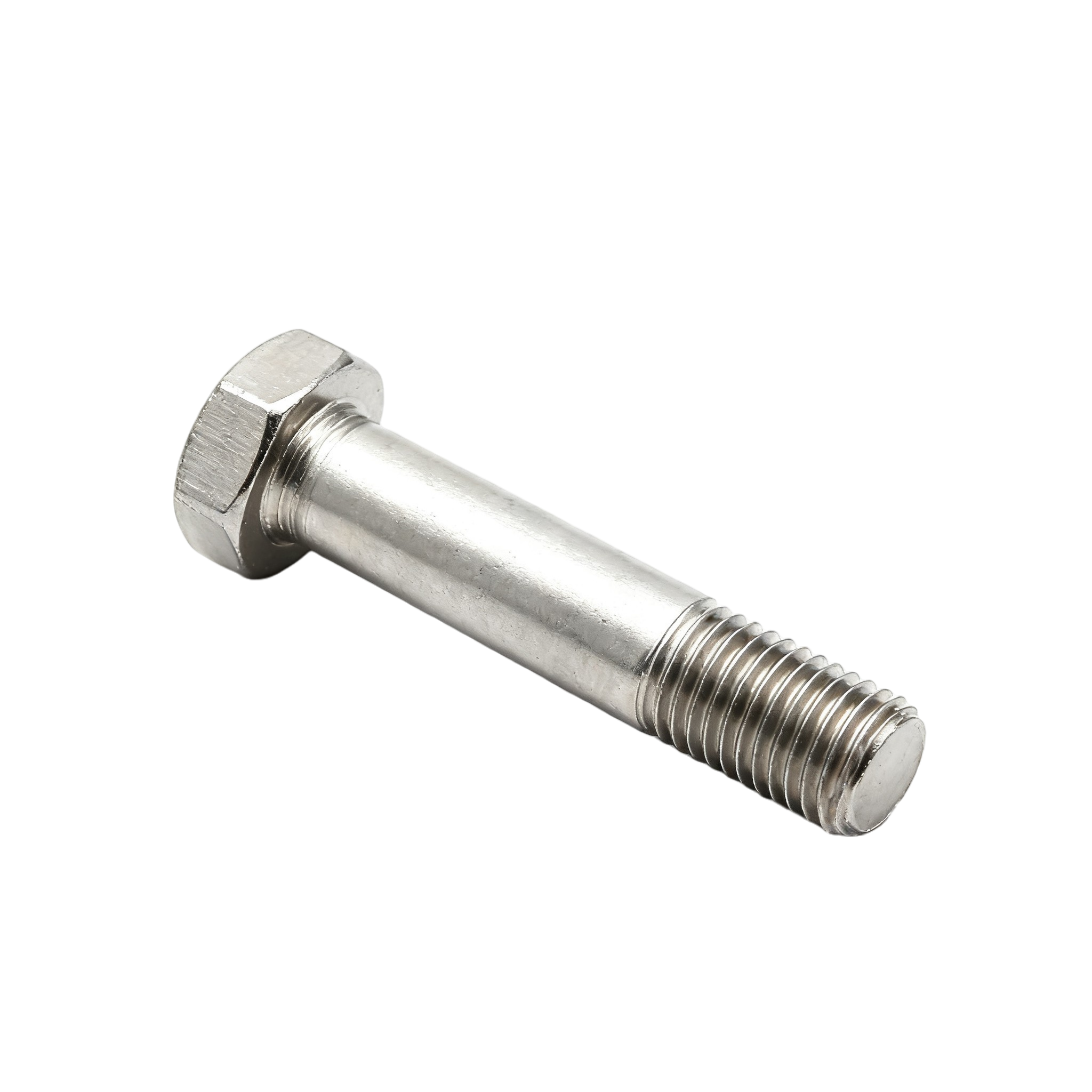
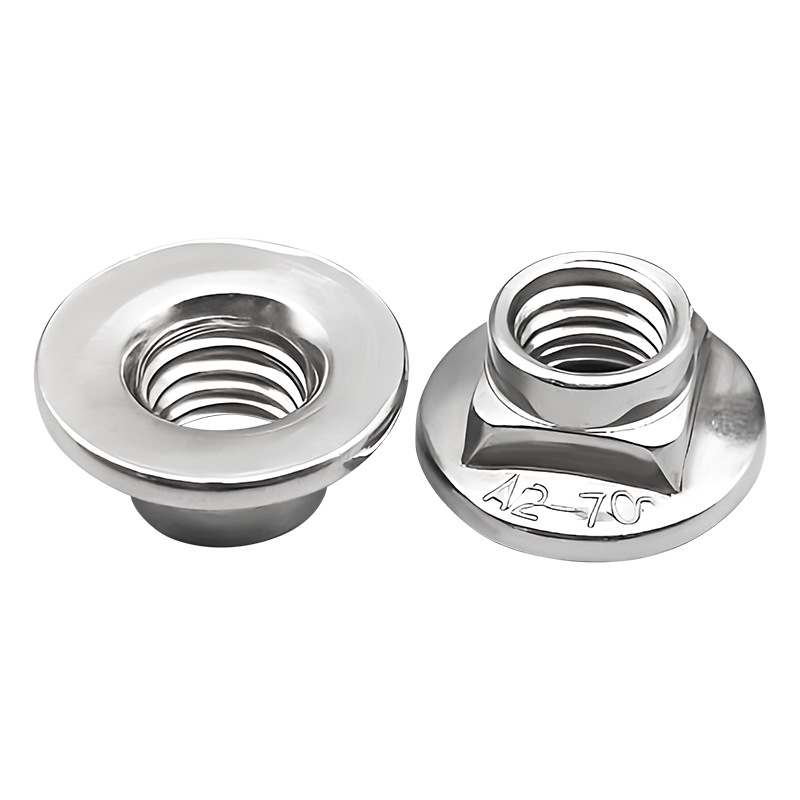
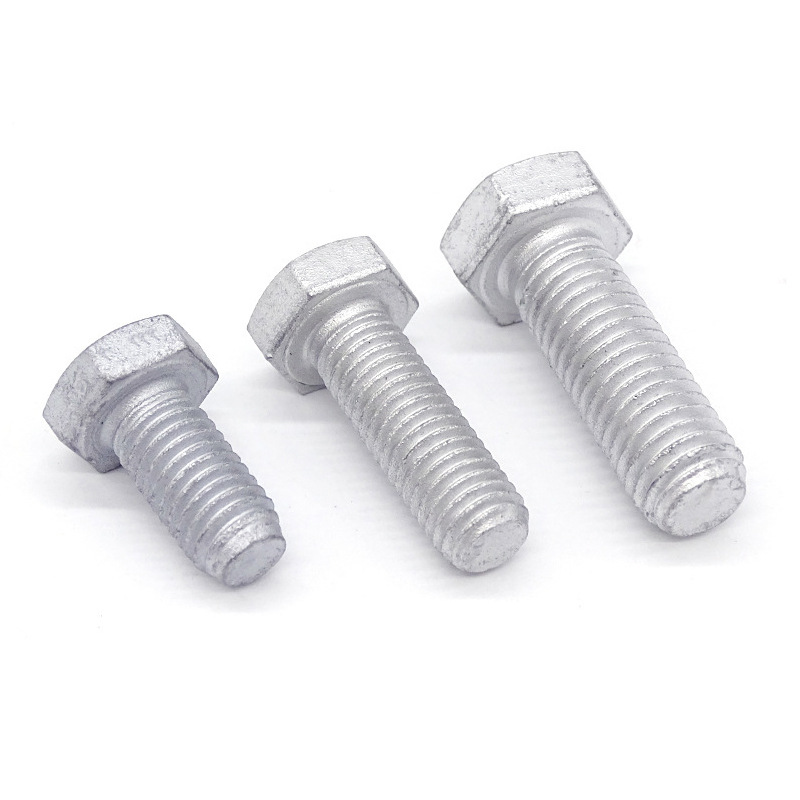
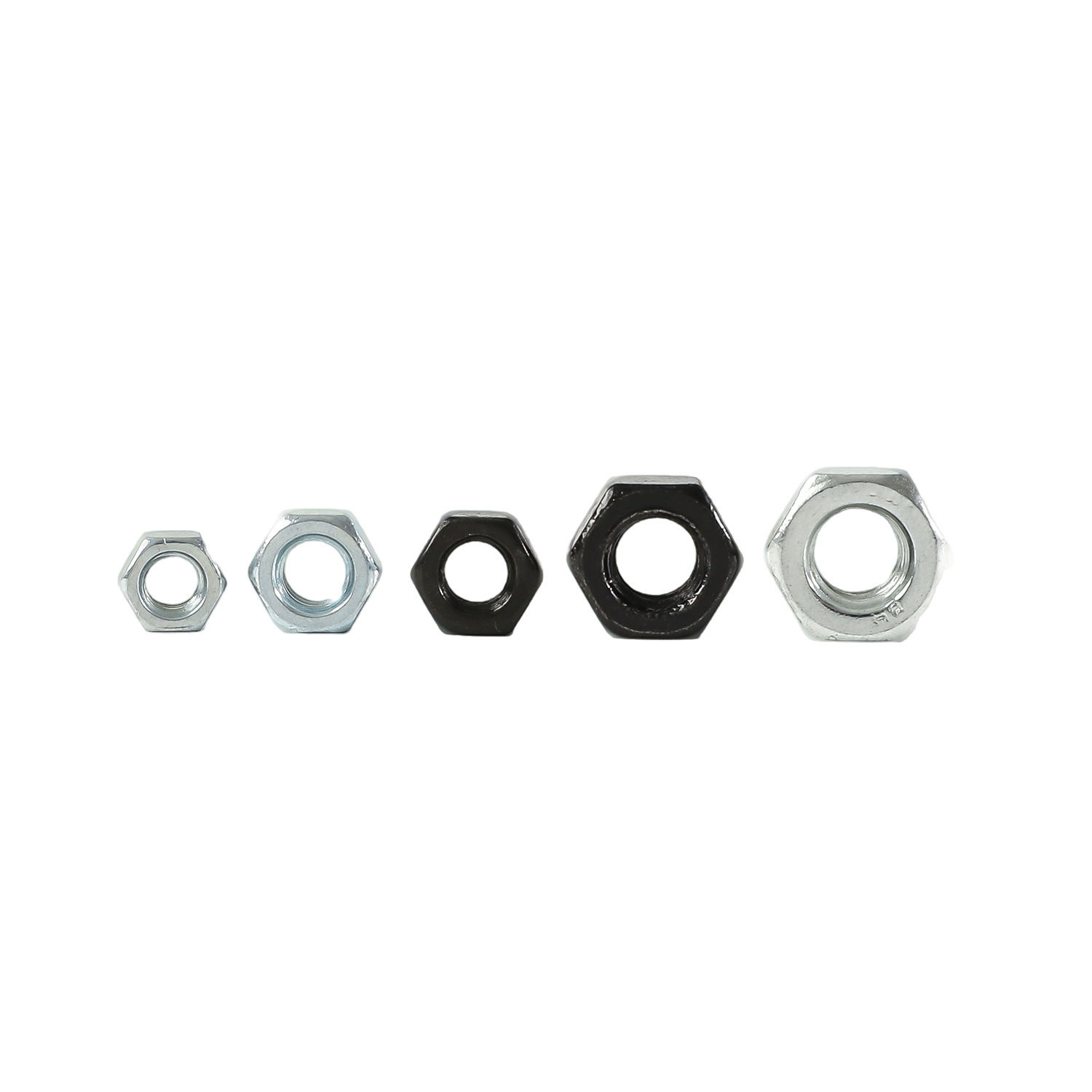
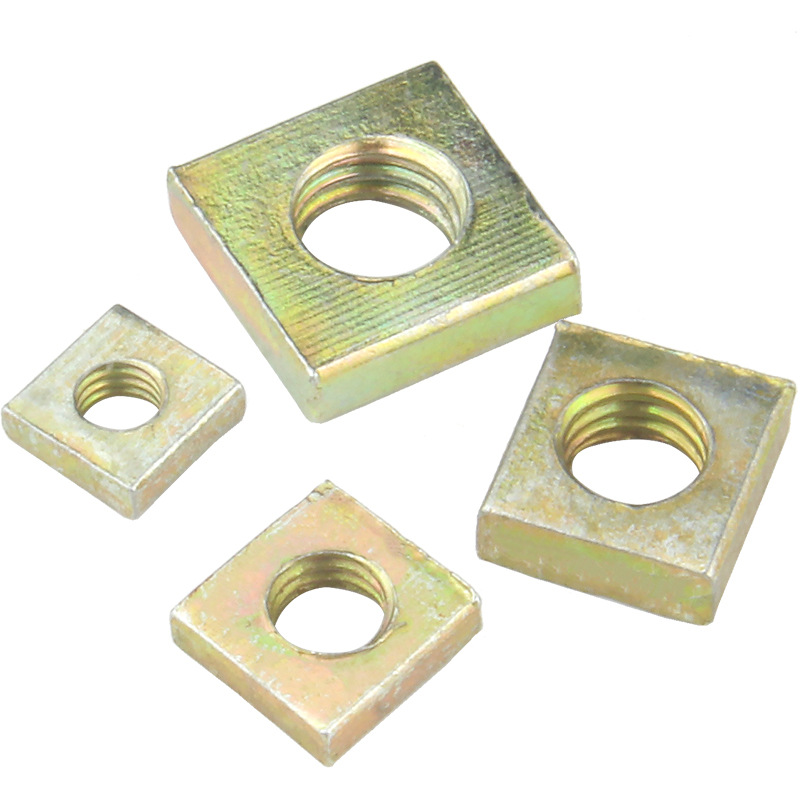
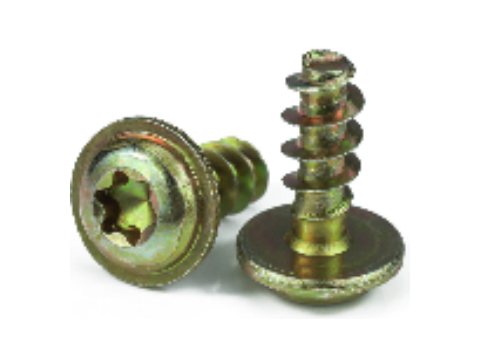
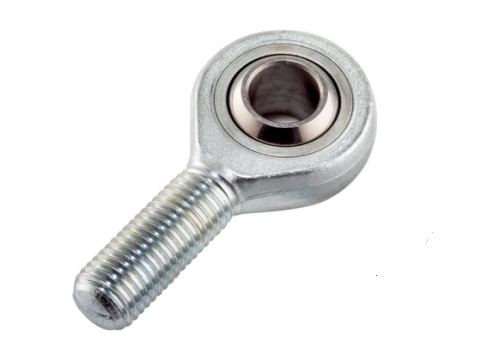
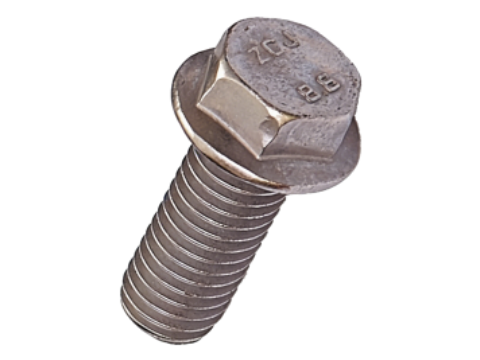
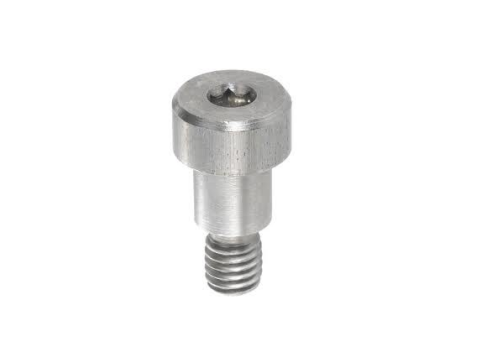
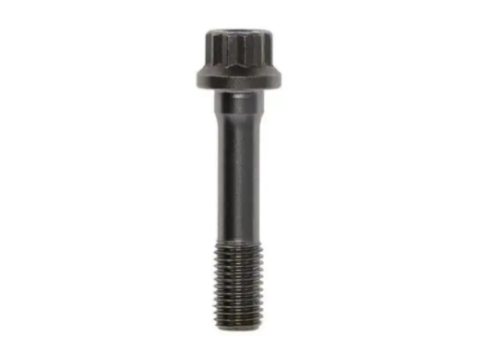
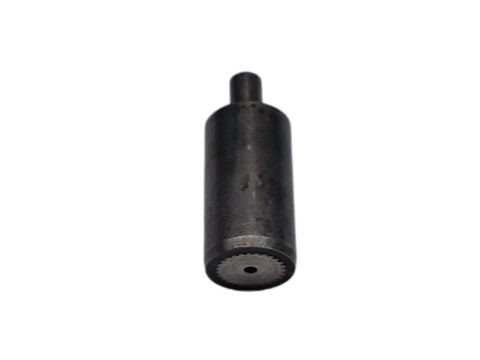
When discussing the impact of tariffs, Farley described the current cost pressure as an "unbearable bill." He explicitly stated that tariffs previously imposed on imported auto parts by the Trump administration have already directly saddled Ford with over $2 billion in extra expenses—a figure that represents a hidden burden layered across the entire automotive production chain. "Many people think parts tariffs are just a 'small cost,' but the exact opposite is true," Farley illustrated. He noted that every Ford vehicle requires hundreds of fasteners (such as bolts and nuts) and nearly a hundred meters of wiring with accompanying insulating sleeves. Most of these seemingly basic components rely on imports from markets like Mexico and China. With current tariff rates on certain categories exceeding 70%, "a fastener that used to cost $1 now requires an extra 70 cents in taxes. For just these two types of parts, the tariff cost per vehicle increases by nearly $100. Given our global annual sales volume of several million units, an extra $2 billion in expenses is actually an inevitable outcome."
Even more severe is the fact that this cost is directly eroding Ford's profit margins. According to Ford's 2024 financial report, its global net profit was approximately $10.2 billion. The $2 billion in tariff costs equates to swallowing nearly 20% of the company's profits. Farley candidly admitted that this profit could have been used for EV R&D, intelligent factory upgrades, or employee welfare improvements. "Instead, it has to be poured into tariffs, directly affecting our investment pace during this critical transition period," he added. To offset the tariff impact, Ford has attempted to adjust its supply chain, such as shifting some parts procurement to the U.S. domestic market or Southeast Asian countries with lower tariffs. However, insufficient capacity among domestic suppliers and the long technical adaptation cycles of Southeast Asian factories make it difficult to fully replace the original supply chain in the short term. "This adds another layer of transition costs, creating a vicious cycle."
Beyond the internal pressure from tariffs, Farley has also turned his attention to external competition—the rise of Chinese automakers. He compared the current competitive landscape to the scenario in the 1980s when Japanese automakers impacted the U.S. market, stating bluntly, "History is repeating itself, but the intensity is much higher." In the 1980s, Japanese automakers broke into the U.S. market with fuel-efficient, reliable economy cars. At the time, American automakers like Ford and GM fell into a passive position due to their bulky, gas-guzzling models, eventually regaining market share only through product transformation. "But Chinese automakers today are different. They not only have a cost-performance advantage but have also achieved breakthroughs in core EV technologies." Farley highlighted that the progress of Chinese automakers in battery energy density, intelligent driving algorithms, and in-vehicle system interaction has become their core competitive barrier.
What makes him even more wary is the production scale of Chinese automakers. "Their existing factories in China can each achieve an annual capacity of over 1.5 million vehicles. The combined capacity of a few leading enterprises is enough to cover the entire annual demand of the North American market." Data shows that the North American auto market has annual sales of about 17 million units, while the total domestic capacity of China's top five automakers has exceeded 100 million units. "If they choose to target the North American market, with ample capacity and mature supply chains, they would be fully capable of capturing market share through price advantages. For us, this could be a 'survival-level' challenge."
In fact, this is not the first time Farley has expressed concern over Chinese automakers. Previously, at the Detroit Auto Show, he publicly praised the technical level of Chinese electric vehicles, calling them "the most humbling thing." At the time, he specifically mentioned an EV launched by a certain Chinese automaker that boasts a driving range exceeding 1,000 kilometers, can replenish 400 kilometers of range with just a 10-minute charge, and features an intelligent cockpit with a voice interaction response speed 30% faster than Ford's existing models. "This speed of technological iteration forces us to maintain a sense of urgency."
Facing these dual challenges, Farley revealed that Ford is taking multiple measures in response. On one hand, the company is continuously communicating with the U.S. government to push for adjustments to unreasonable parts tariff policies, while accelerating the construction of its domestic supply chain. Ford plans to increase its domestic parts procurement ratio from the current 65% to 80% within the next three years. On the other hand, it is ramping up investment in EV R&D, planning to cumulatively invest $50 billion in battery technology R&D and new model launches by 2025, attempting to counter Chinese competition through technological upgrades. "Tariffs are a short-term pressure, but competition is a long-term test. We must exert force on both cost control and technological innovation to secure our footing amidst this industrial transformation," Farley concluded.


 135-6073-0094