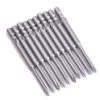
This article analyzes fastener material selection principles and characteristics of carbon steel, stainless steel, alloy steel, and special alloys.
As the core technical team at Shenzhen Yongjing Precision Technology Co., Ltd., we frequently receive inquiries from clients regarding fastener material selection. In the fastener manufacturing sector, choosing the right material not only directly impacts product performance but is also crucial to the reliability and safety of the entire assembly system. This article systematically outlines the scientific principles of fastener material selection to provide professional references for our industry partners.
1. Basic Classification and Characteristics of Fastener Materials
Currently, mainstream fastener materials on the market can be divided into five major categories: carbon steel, alloy steel, stainless steel, non-ferrous metals, and special alloys. Carbon steel accounts for the largest market share due to its excellent strength and machinability, making it suitable for most standard fastening applications. Based on carbon content, it is further categorized into low-carbon steel (C≤0.25%), medium-carbon steel (0.25%<C≤0.60%), and high-carbon steel (C>0.60%). The high-strength bolts of Grade 8.8 and above produced by Yongjing Precision Technology Co., Ltd. primarily utilize medium-carbon steel combined with heat treatment processes to ensure their mechanical properties meet the required standards.
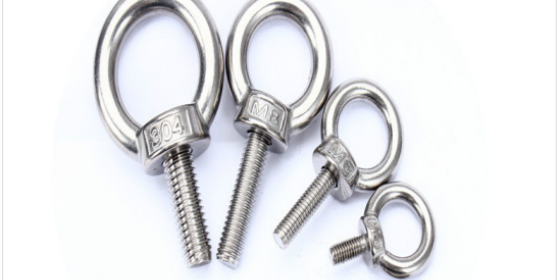
Stainless steel fasteners play a critical role in specialized environments due to their superior corrosion resistance. Austenitic stainless steels (e.g., 304, 316), known for their excellent formability and weldability, are the preferred choice for food machinery, medical equipment, and marine engineering. Martensitic stainless steels (e.g., 410, 420), on the other hand, can achieve higher strength through heat treatment, making them ideal for applications requiring high hardness and wear resistance.
2. Decisive Factors in Material Selection
In practical applications, selecting fastener materials requires a comprehensive evaluation of multiple factors. First, mechanical performance requirements serve as the fundamental consideration. Tensile strength, yield strength, and hardness are key indicators for measuring a fastener's load-bearing capacity. For instance, tower connection bolts in wind power equipment must utilize high-strength alloy steel of Grade 10.9 or above to withstand extreme wind loads and vibrational stress.
Second, environmental adaptability cannot be overlooked. In highly corrosive environments such as chemical plants and marine settings, stainless steel or fasteners with specialized surface treatments are mandatory. The zinc-nickel alloy plating technology developed by Yongjing Precision Technology Co., Ltd. enables carbon steel fasteners to withstand over 1,000 hours in salt spray tests without red rust, providing a highly cost-effective solution for our coastal clients.
Third, the temperature tolerance range directly influences material selection. Ordinary carbon steel undergoes creep at high temperatures, leading to a loss of preload; in low-temperature environments, it may experience brittle fracture. For high-temperature applications (e.g., engine components), we recommend heat-resistant steels (such as 35CrMo) or nickel-based alloys. For low-temperature environments (e.g., LNG equipment), austenitic stainless steels or low-temperature alloy steels are required.
3. Advanced Materials and Special Treatment Processes
With the advancement of manufacturing, fasteners face increasingly stringent demands. In recent years, Yongjing Precision Technology Co., Ltd. has developed Dacromet coating technology, an eco-friendly surface treatment that offers hydrogen-embrittlement-free and high-corrosion-resistance properties, making it particularly suitable for automotive chassis and suspension systems. Additionally, our titanium alloy fastener series, boasting a high strength-to-weight ratio and excellent corrosion resistance, has been successfully applied in the aerospace and high-end medical device sectors.
Heat treatment processes are equally critical. Through precise control of quenching temperatures and tempering times, we optimize the microstructure of the materials, achieving the optimal balance between strength and toughness. Taking our Grade 12.9 ultra-high-strength bolts as an example, we employ advanced bainite isothermal quenching technology, which increases delayed fracture toughness by over 30% while maintaining high strength.
4. Selection Recommendations and Industry Trends
For different application scenarios, we recommend the following: for general construction structures, Grade 4.8 to 8.8 carbon steel fasteners are suitable; critical automotive components should use Grade 8.8 to 12.9 fasteners combined with anti-loosening treatments; petrochemical equipment is best served by stainless steel or alloy steel; and electronic products require non-magnetic materials such as copper alloys or 300-series stainless steel.
Looking ahead, the development of fastener materials will follow three major trends: first, the expanded application of lightweight materials, such as the R&D of aluminum and magnesium alloy fasteners; second, the introduction of smart materials, like shape memory alloys in anti-loosening fasteners; and third, the widespread adoption of eco-friendly surface treatment technologies to replace traditional electroplating processes.
Shenzhen Yongjing Precision Technology Co., Ltd. will continue to delve deeply into innovations in materials science and manufacturing processes, providing clients with comprehensive, high-performance fastening solutions. We firmly believe that correct material selection is the first line of defense in ensuring the reliability of mechanical connections and a vital safeguard for overall engineering safety.





















 Login
Login










 Contact
 WeChat
 粤ICP备2025493240号-1