































 Login
Login






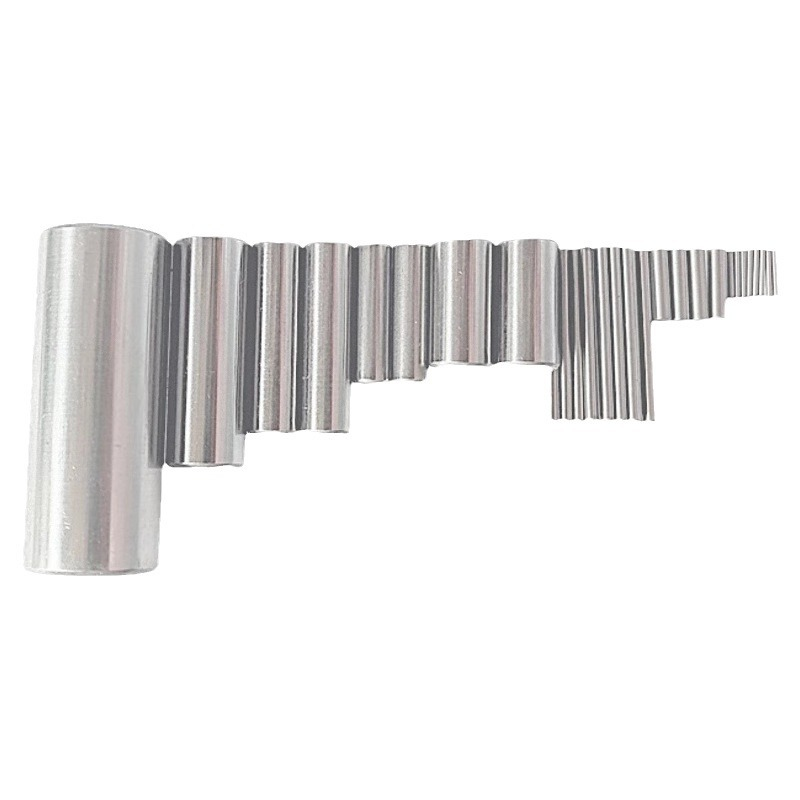
In fastener manufacturing, cold heading is the mainstream process for forming screw, bolt, and rivet heads. Raw material quality directly determines product formability, mechanical properties, and production cost.
(1) Core Requirements of Cold Heading for Raw Materials
Cold heading requires three key material characteristics: good plasticity, stable mechanical properties, and uniform internal structure.
Plasticity is critical. Raw materials must have sufficient elongation and reduction of area to undergo plastic deformation without cracking, especially during large deformation processes such as head upsetting.
Stable mechanical properties are equally important. Yield strength must be within a reasonable range. Too high increases die load and reduces die life. Too low may cause product deformation.
Uniform internal structure ensures consistent deformation. Defects such as segregation, inclusions, and porosity lead to uneven deformation and affect dimensional accuracy.
Surface quality and dimensional accuracy also matter. Cracks, scratches, or scale on the surface can expand into product cracks during cold heading. Excessive dimensional deviation causes inconsistent blank weight.
(2) Characteristics and Applications of Mainstream Cold Heading Raw Materials
Carbon steel is the most widely used raw material. Low carbon steel has excellent plasticity and low yield strength, making it suitable for ordinary screws and rivets with low strength requirements. Medium carbon steel can achieve higher strength through heat treatment after cold heading and is often used for Grade 8.8 bolts.
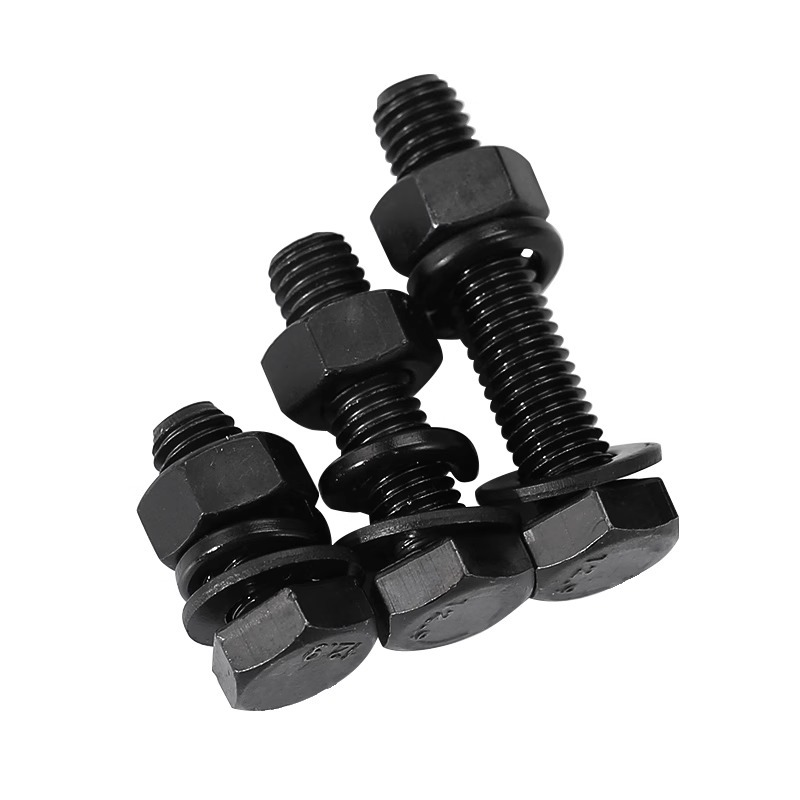
Alloy steel is the core raw material for high-strength fasteners. Grades such as 40Cr and 20MnTiB can be used to manufacture Grade 10.9 and Grade 12.9 high-strength bolts for automotive and heavy machinery applications.
Stainless steel is suitable for fasteners in corrosive environments. 304 stainless steel has good plasticity. 316 stainless steel offers stronger corrosion resistance but slightly lower plasticity.
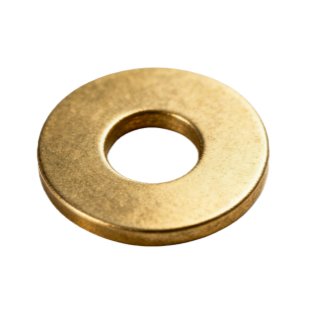
Copper and aluminum alloys are used for special applications. Copper has excellent plasticity for electrical connection screws. Aluminum alloy is lightweight and suitable for aerospace and lightweight equipment.
(3) Key Practical Dimensions for Raw Material Selection
First, chemical composition control. Core element content must meet standard requirements. Harmful impurities such as sulfur and phosphorus must be strictly controlled.
Second, mechanical property testing. Yield strength, tensile strength, and elongation must be tested for each batch.
Third, internal structure and surface quality inspection. Metallographic examination ensures fine and uniform grain structure with no severe segregation or inclusions. Surface roughness Ra should be no more than 1.6 micrometers.
Fourth, cost and supply chain balance. Prioritize cost-effective raw materials while ensuring supply chain stability.
(4) Common Selection Mistakes and Avoidance Strategies
One mistake is blindly pursuing high-strength materials. The solution is to select materials based on actual product stress conditions.
Another mistake is neglecting pre-treatment processes. For medium carbon steel and alloy steel, spheroidizing annealing must be performed before cold heading.
A third mistake is ignoring surface lubrication treatment. For stainless steel and aluminum alloy, specialized lubricants must be used.
In summary, cold heading raw material selection must be based on process compatibility and product performance requirements, considering chemical composition, mechanical properties, and surface quality while balancing cost and quality.



 粤ICP备2025493240号-1