In the manufacturing of fasteners and precision components, cold heading and cold extrusion are two widely used room-temperature plastic forming processes that are often confused by practitioners. Although both processes involve forming without heating the blank, rely on molds, and enhance part strength, they exhibit significant differences in core principles, deformation methods, and application scenarios. Clarifying these distinctions is crucial for improving production efficiency and ensuring product quality. This article analyzes the two processes across four dimensions: basic definitions, process characteristics, core differences, and application scenarios.
-
Basic Understanding: Core Definitions of the Two Processes
The essential difference between cold heading and cold extrusion begins with their forming principles, which directly determine their respective process paths and product adaptability.
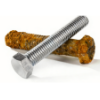
Cold heading is a process where, at room temperature, an axial pressure is applied to a metal rod blank via a cold heading machine. Under the constraint of the mold cavity, the blank undergoes localized plastic deformation (primarily "upsetting," where the diameter increases and the length decreases) to form the part. Its core is "localized volume accumulation." A typical application is the formation of fastener heads—upsetting one end of a slender rod and subsequently machining it into hexagonal or round head shapes. Cold heading is highly suited for axisymmetric parts and enables automated production through multi-station continuous operations, making it the mainstream manufacturing method for bolts, screws, and rivets.
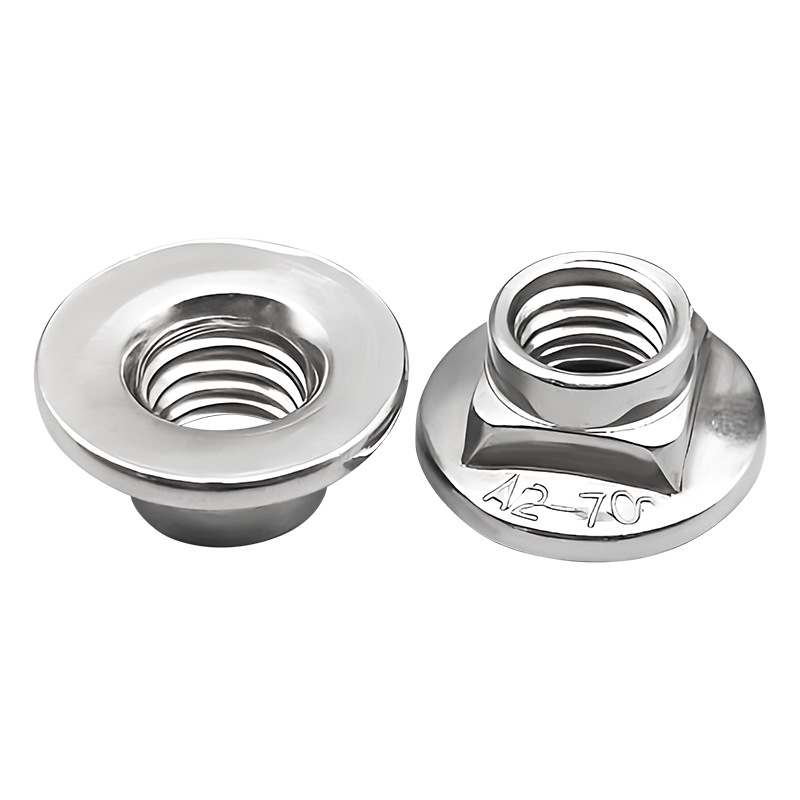
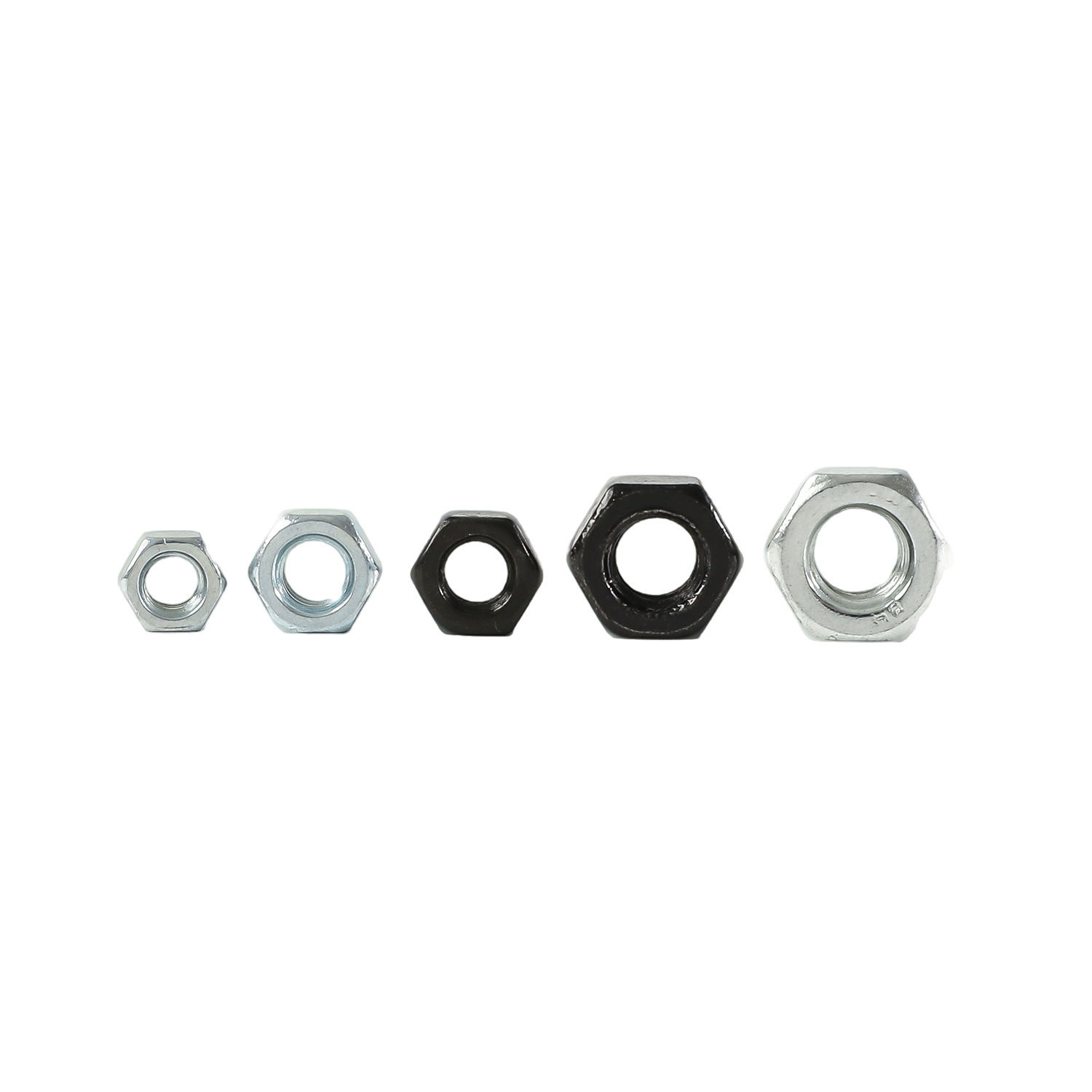
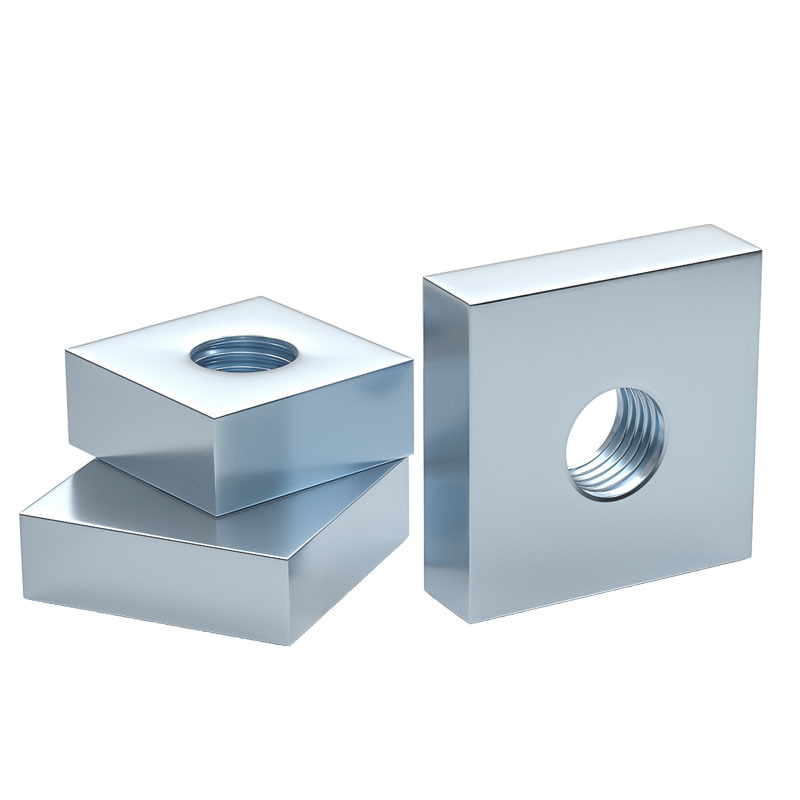
Cold extrusion involves placing a metal blank into a cold extrusion mold cavity and applying high pressure via a punch at room temperature. This forces the entire or most of the blank to undergo plastic flow, filling the mold cavity to form the part. Its core is "overall volume transfer." By precisely controlling the direction of metal flow through the mold, complex shapes can be formed in a single pass. For example, when manufacturing irregular nuts or gear blanks, the blank flows along the mold cavity profile under pressure to form complex structures like side walls and steps. China now possesses the capability to manufacture full-tonnage extrusion equipment. Besides dedicated cold extrusion presses, general-purpose presses, hydraulic presses, and even friction presses can be adapted for this production.
-
Process Characteristics: Forming Details Highlight Differences
From equipment and molds to blank treatment, the process characteristics of cold heading and cold extrusion differ significantly, directly impacting production efficiency and product performance.
In terms of equipment selection, cold heading relies on dedicated cold heading machines, whose core advantage is multi-station integration. These machines can sequentially complete cutting, head upsetting, chamfering, and thread rolling. A single machine can achieve the entire fastener processing workflow with extremely high efficiency, processing dozens to hundreds of pieces per minute. The high precision of the clamping mechanism and mold positioning ensures dimensional consistency for axisymmetric parts. Conversely, cold extrusion requires equipment selection based on product complexity. Simple parts can use general-purpose presses, while complex, high-precision parts require dedicated cold extrusion presses or hydraulic presses. These machines focus on providing stable high pressure (usually higher than cold heading pressure). Some scenarios use high-speed, high-energy equipment to improve forming quality, but operations are mainly single-station, requiring multiple machines to complete multi-step processing.
Regarding mold design, cold heading molds have a relatively simple structure, primarily consisting of heading and cutting molds. Multi-station molds are connected via turntables or conveyor belts, focusing on ensuring axial positioning accuracy. Since deformation is concentrated locally, mold wear is mainly at the heading section, resulting in lower maintenance costs. Cold extrusion molds are more complex; the mold cavity must precisely match the final shape of the part, including punches, dies, and ejection mechanisms. Complex parts may require combined molds. Due to the wide range of metal flow and the high pressure exerted on the mold, high-strength mold steels (e.g., Cr12MoV) with special heat treatments are necessary, making manufacturing costs and maintenance difficulty higher than those for cold heading.
Blank requirements also differ. Cold heading primarily uses rod blanks, which demand high diameter precision (tolerance usually ≤ ±0.1mm) and a smooth, scratch-free surface to prevent cracking during upsetting. To enhance plasticity, some high-carbon steel blanks require spheroidizing annealing. Cold extrusion blanks can be rods, billets, or other forms customized to the part's shape. Their surfaces must be coated with specialized lubricants (e.g., phosphate coatings plus saponifying agents) to reduce friction between the metal and the mold, preventing sticking. For high-strength material blanks, annealing before cold extrusion is even more critical, requiring strict hardness control to ensure formability.
-
Core Differences: Precise Distinction Across Four Dimensions
To accurately distinguish the two processes, one can approach them through four core dimensions: deformation method, forming range, product characteristics, and cost structure.
Deformation method is the most fundamental difference: Cold heading mainly involves "localized upsetting," where metal primarily flows radially from the axial direction. The deformation zone is concentrated at one end or locally, with minimal overall volume change, focusing more on "localized shape molding." Cold extrusion, however, is characterized by "overall flow." Under high pressure, the metal flows along the mold cavity profile, with the deformation zone covering most or all of the blank, achieving complex shapes through volume transfer and focusing more on "precise replication of the overall structure."
In terms of forming range, cold heading excels at simple, axisymmetric parts like bolt heads, rivets, and pins. It efficiently achieves combined forming of "shank + head" but struggles with parts featuring deep cavities or complex side walls. Cold extrusion has stronger forming capabilities, able to process complex structures like irregular nuts, gear blanks, and spline shafts, and can even achieve precision features like thin walls and deep holes. Its forming precision can reach IT7-IT9 grade, with a surface roughness of Ra ≤ 1.6μm, far surpassing cold heading.
Regarding product characteristics, cold heading parts undergo work hardening due to localized deformation, resulting in higher head strength and good axial dimensional consistency, making them suitable for mass standardized production. However, their complexity is low, and surface precision is relatively limited. Cold extrusion parts, due to uniform overall deformation, experience more thorough work hardening, offering superior overall strength and toughness. Furthermore, precise mold cavity constraints yield high dimensional accuracy and excellent surface quality, reducing subsequent machining and even achieving "net-shape forming."
In terms of cost structure, cold heading's advantage lies in low batch costs. Dedicated machines offer high efficiency, and molds are low-cost and long-lasting, making it ideal for mass production in the millions. The unit product cost is only 1/3 to 1/5 of that for cold extrusion. Cold extrusion involves complex molds and large equipment investments, leading to high initial costs. However, in complex part production, it reduces subsequent costs by minimizing machining, making it suitable for medium-batch, high-precision part production.
-
Application Scenarios: Precise Matching to Enhance Benefits
Combining process characteristics and cost advantages, cold heading and cold extrusion have distinct focuses in fasteners and related fields. Precise selection can greatly enhance production benefits.
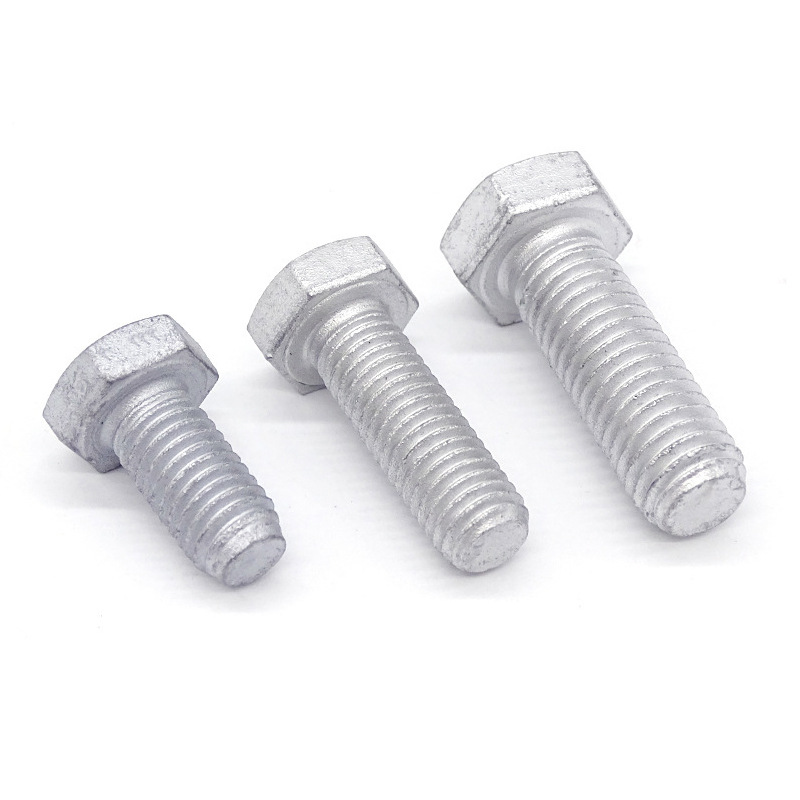
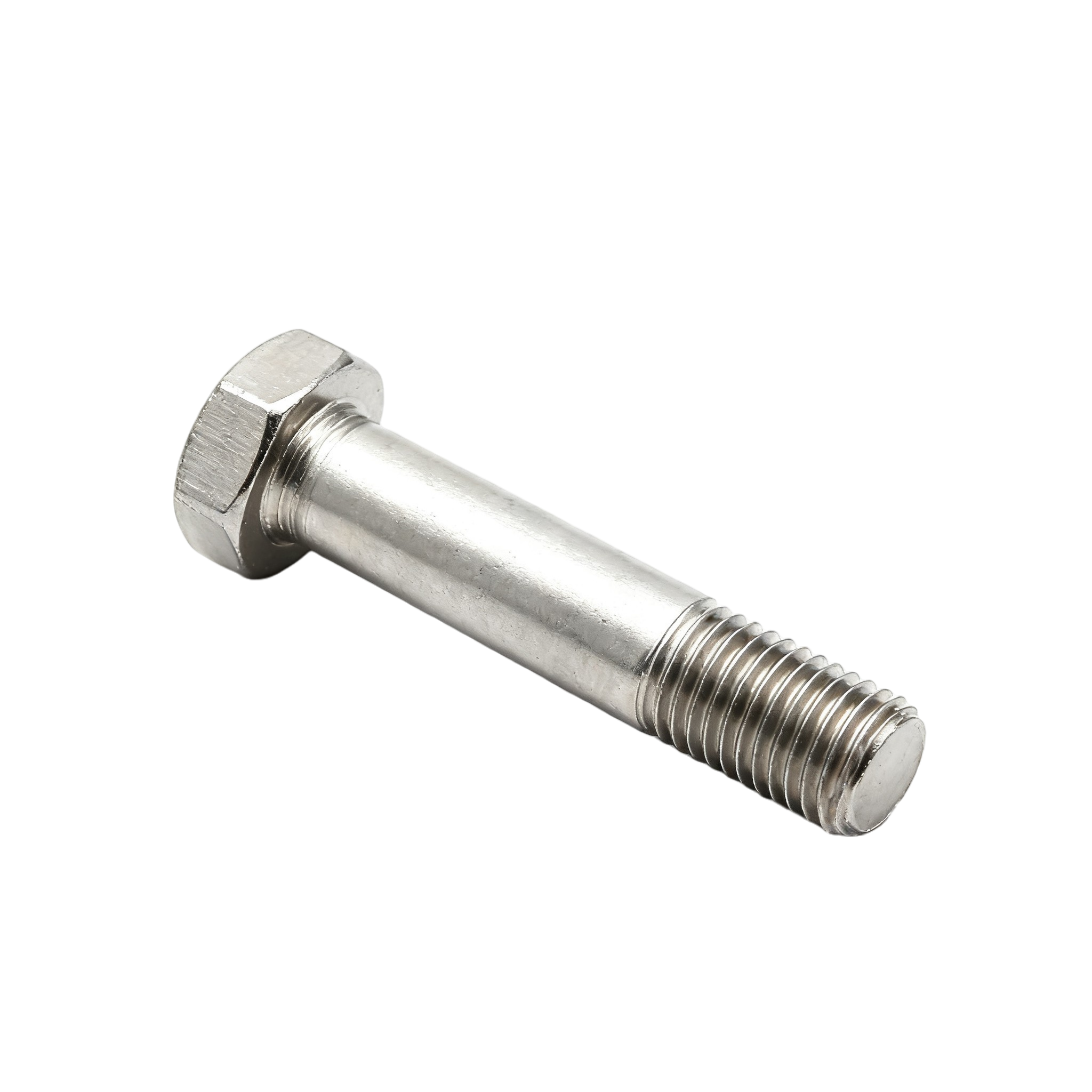
Cold heading is the "mainstay process" in the fastener industry, widely used for mass production of standardized products like ordinary bolts, screws, rivets, and washers. For example, M6-M20 ordinary hex bolts can be processed in an integrated workflow of "cutting-head upsetting-chamfering-thread rolling" using multi-station cold heading machines, with daily outputs exceeding 100,000 pieces, showcasing significant cost advantages. In scenarios with lower precision requirements, such as construction, furniture, and general machinery, cold heading parts are the preferred choice.
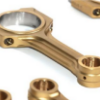
Cold extrusion is tailored for high-precision, complex-structured parts. In the automotive industry, critical parts like irregular nuts for engines and spline shafts for gearboxes utilize cold extrusion to achieve high-precision forming, reduce machining volume, and enhance part strength. In aerospace, lightweight aluminum alloy parts achieve thin-wall forming through cold extrusion, ensuring strength while reducing weight. In precision instruments, micro gear blanks and precision pins rely on the high precision of cold extrusion to meet assembly requirements.
Notably, the two are not entirely independent; some complex fasteners employ a combined "cold heading + cold extrusion" process. For instance, high-strength bolts may first have their heads formed via cold heading, followed by cold extrusion for shank finishing or pre-forming before threading, balancing both efficiency and precision.





















 Login
Login








 Contact
 WeChat
 粤ICP备2025493240号-1