A pivotal policy adjustment in the South Korea-U.S. automotive trade sector has injected new momentum into bilateral industrial cooperation. The South Korean Ministry of Trade, Industry and Energy confirmed via email statement that the U.S. has officially decided to reduce the tariff on South Korean automobiles and auto parts from 25% to 15%, with the adjustment taking effect retroactively from November 1. After multiple rounds of negotiations, the implementation details and supporting arrangements of this policy have been gradually disclosed through official channels, drawing widespread attention across the automotive and related supply chain industries.
Official Implementation: Preliminary Publication First, Official Effect on December 4
The official process for this tariff adjustment is in its final stages. According to U.S. disclosures, the relevant adjustment notice has been published in the Federal Register in a pre-release format and is scheduled for official publication on December 4. As the primary vehicle for the U.S. government to publish administrative regulations and policy adjustments, the pre-release indicates that the policy content has been largely finalized and will be fully implemented once the statutory public comment period ends. This operation not only complies with standard U.S. trade policy publication procedures but also provides enterprises with a brief adaptation period.
From a policy background perspective, this tariff reduction is not an isolated measure but a key deliverable of the previously signed Strategic Investment Memorandum of Understanding (MOU) between South Korea and the U.S. In line with the MOU's spirit, South Korea secured U.S. concessions in the tariff arena by pledging substantial investments in U.S. strategic industries. U.S. Commerce Secretary Howard Lutnick previously stated that, given South Korea's legislative progress in fulfilling its investment commitments, the U.S. will honor its pledge to reduce tariffs, granting South Korea equal treatment in automotive trade alongside Japan and the European Union.
Exception Clause Analysis: Pickup Trucks Retain High Tariffs in Compliance with Multilateral Rules
Notably, this tariff reduction does not cover all vehicle categories. Pickup trucks are explicitly excluded and will continue to face a 25% tariff. The U.S. emphasized that this arrangement fully complies with Most-Favored-Nation (MFN) tariff standards and relevant provisions of the Korea-U.S. Free Trade Agreement, remaining consistent with the treatment enjoyed by major automotive exporting economies such as the EU and Japan. From an industry attribute perspective, pickup trucks hold a unique industrial position in the U.S. market. The U.S. has long maintained high tariffs on this category to protect domestic manufacturers' interests. The decision not to include them in the reduction reflects the U.S.'s protective stance toward its core domestic industries during trade negotiations.
This exception clause also reflects the balancing act in South Korea-U.S. trade consultations. Relevant officials from the South Korean Ministry of Trade, Industry and Energy noted that pickup trucks account for less than 5% of South Korea's automotive exports to the U.S., so maintaining the current tariff has limited impact on overall exports. Trading moderate concessions for tariff reductions on core categories aligns with the long-term interests of the South Korean automotive industry. Data shows that passenger vehicles accounted for over 90% of South Korea's automotive exports to the U.S. in 2024; thus, the 15% tariff reduction will primarily benefit core products from mainstream automakers like Hyundai and Kia.
Related Product Adjustments: Synchronized Tariff Cuts for Wood Products and Aircraft Parts
In addition to automobiles and auto parts, the U.S. simultaneously announced tariff reductions on certain South Korean wood products, as well as aircraft and aircraft parts. The retroactive effective date for these adjustments is set for November 14—the day the two countries signed the Strategic Investment MOU. This date setting carries clear symbolic significance, highlighting the binding relationship between tariff adjustments and investment commitments.
From an industry impact perspective, the tariff reduction on aircraft parts will directly benefit South Korea's aerospace manufacturing industry. According to data from the Korea Aerospace Industries Association, South Korea's exports of aircraft parts to the U.S. reached $12 billion in 2024, with the 25% high tariff becoming a major obstacle to market expansion. Following this tariff cut, the industry expects export costs to decrease by 10%-12%, helping South Korean enterprises further integrate into the upstream U.S. aviation supply chain. Meanwhile, the tariff adjustment on wood products covers categories such as furniture and panels, bringing new export opportunities to South Korean small and medium-sized manufacturers.
Profound Industry Impact: Significant Cost Reduction for South Korean Enterprises and Shifting Market Competition Landscape
For the South Korean automotive industry, this tariff reduction can be described as "timely rain." Prior to the policy's implementation, the 25% high tariff had severely eroded corporate profits. Data shows that in the third quarter of 2025, the costs incurred by Hyundai Motor and Kia Motors due to U.S. export tariffs reached 1.82 trillion won and 1.23 trillion won, respectively, directly causing their operating profits to plummet by 29.2% and 49.2% year-on-year. With the tariff reduced to 15%, industry estimates indicate that South Korea's automotive export costs to the U.S. will drop by an average of 8%-10%, saving over 5 trillion won in tariff costs for the full year.
Market reactions have already validated the policy's benefits. On December 2, following the U.S. Commerce Secretary's confirmation of the tariff reduction, South Korean automotive stocks rallied collectively, with Hyundai Motor and Kia Motors rising nearly 5% and 4%, respectively, while the KOSPI index also gained nearly 2%. Industry analysts believe that with the retroactive tariff reduction, South Korean enterprises will receive partial tariff refunds in the fourth quarter, helping to ease cash flow pressures and stimulating increased investment in the U.S. market.
However, the industry also harbors potential concerns. The Korea Automobile Manufacturers Association pointed out that following this tariff reduction, South Korea is on par with Japan and the EU regarding U.S. tariff levels. Since South Korea previously enjoyed zero-tariff treatment under the Korea-U.S. Free Trade Agreement, its price advantage in the U.S. market will diminish. In the future, enterprises must enhance competitiveness through technological upgrades and product innovation to cope with more intense market competition.
Policy Implications: Industrial Synergy Logic in Trade Negotiations
This South Korea-U.S. tariff adjustment provides a typical case study for global trade negotiations. The core revelation is that, in the current complex trade environment, tariff policies have become a crucial tool for countries to leverage counterpart markets in exchange for industrial interests. By pledging $350 billion in strategic investments in the U.S. ($150 billion for shipbuilding and $200 billion for semiconductors, nuclear power, etc.), South Korea successfully secured tariff concessions for core industries such as automotive and aviation, exemplifying the "investment for market access" negotiation logic.
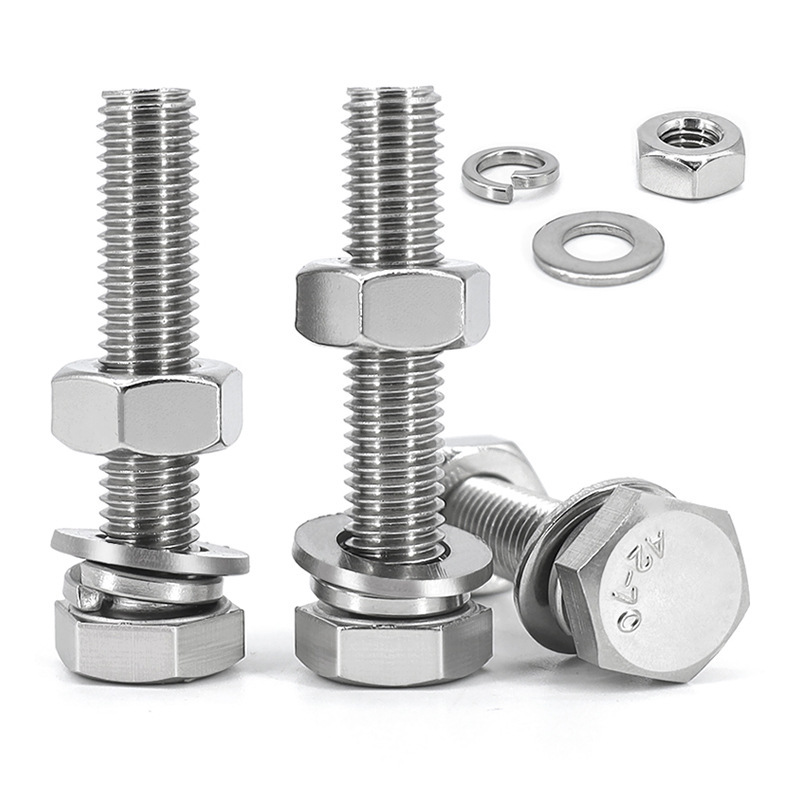
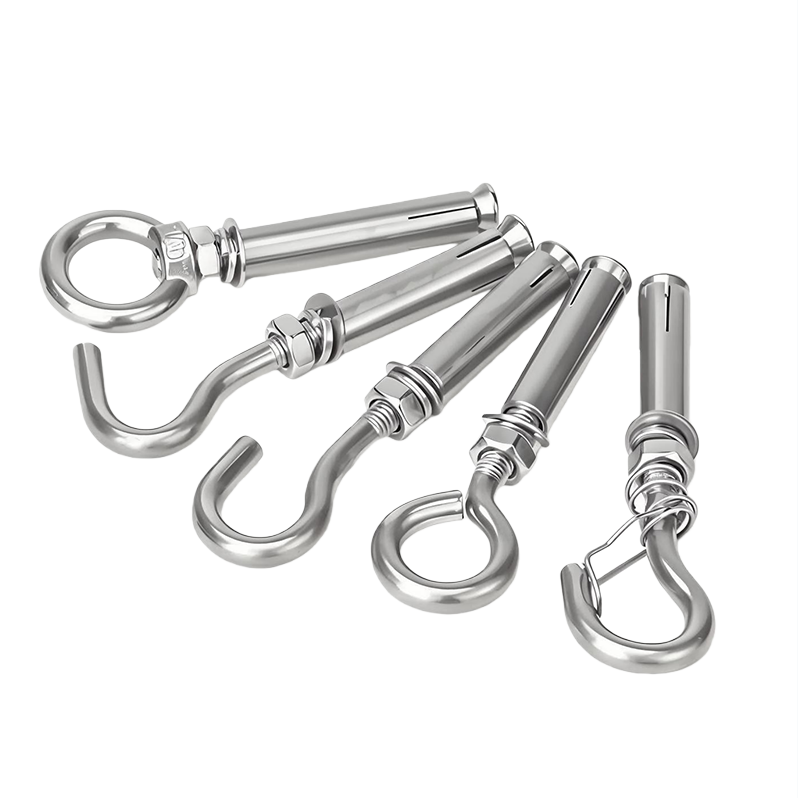
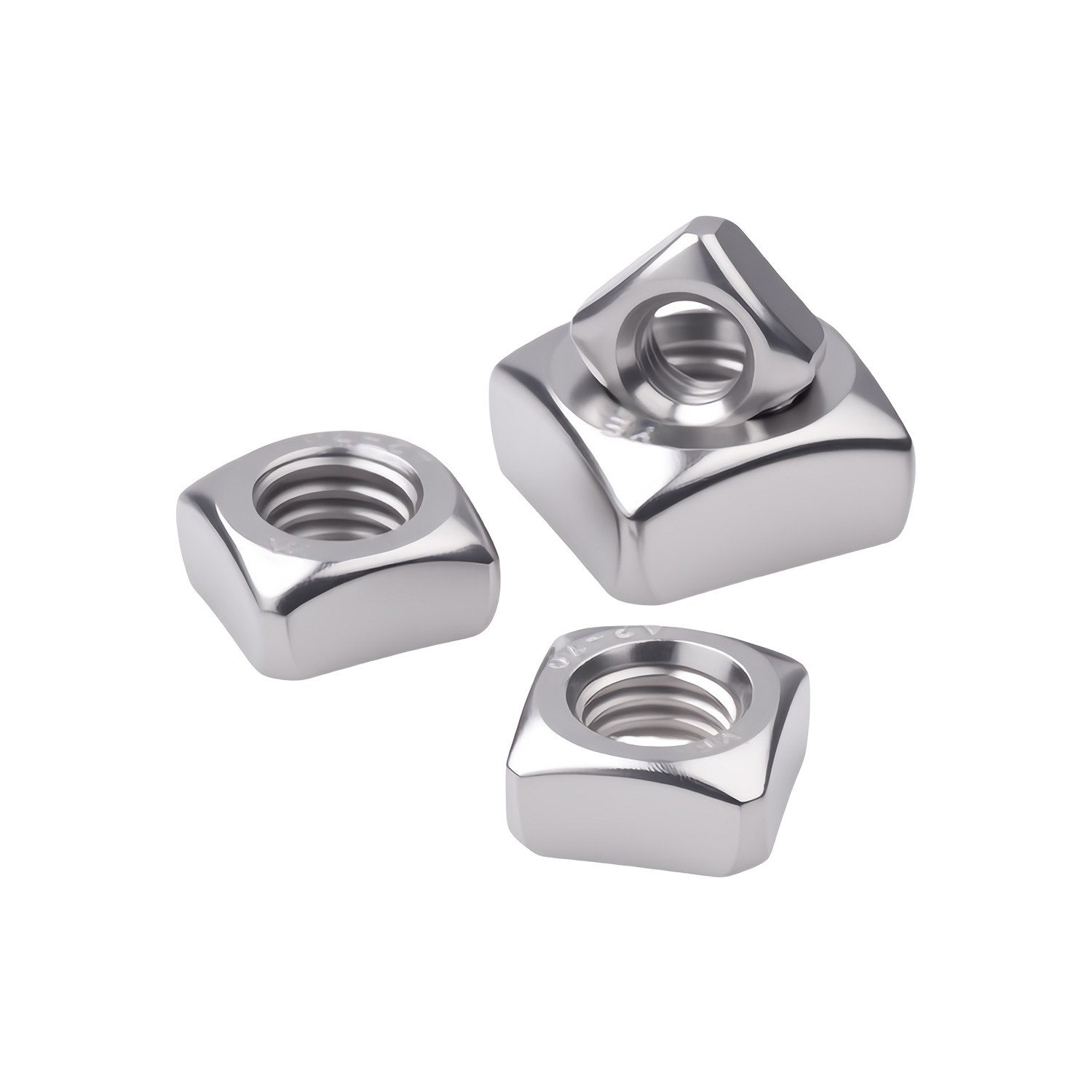
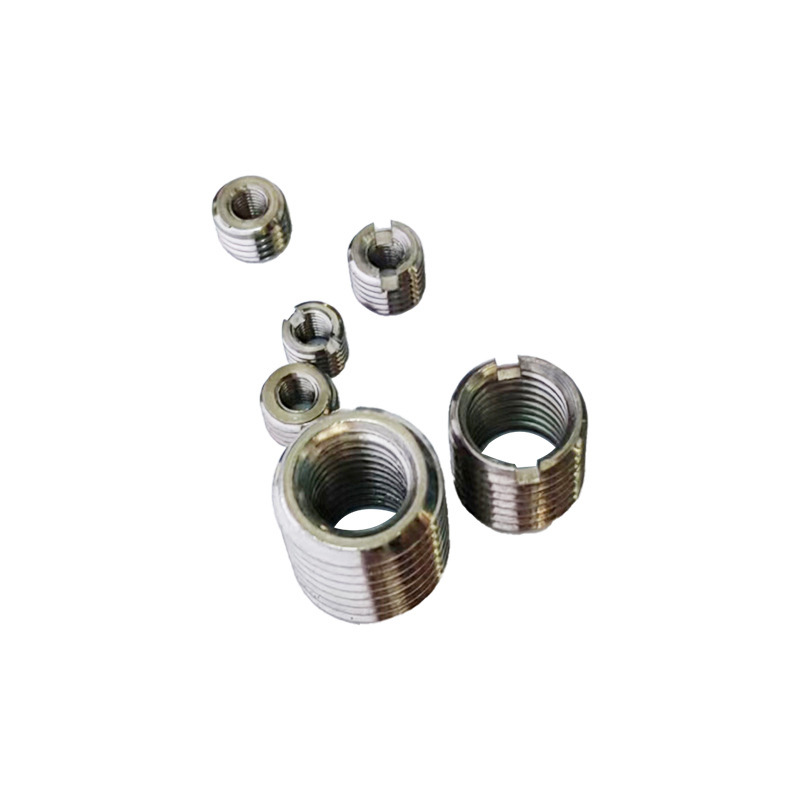
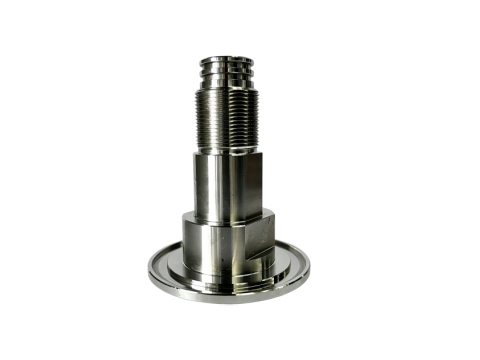
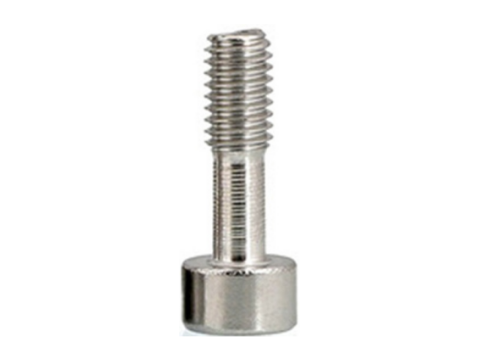
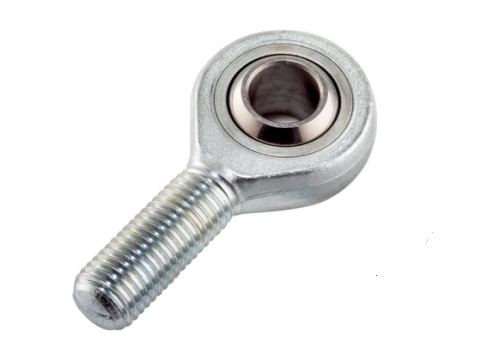
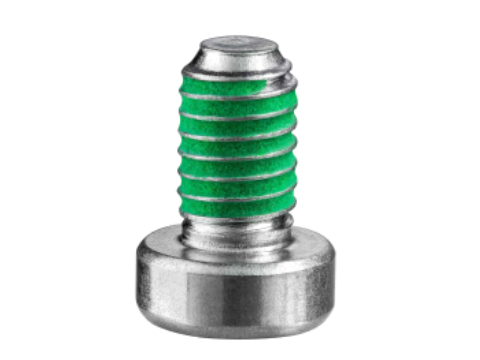
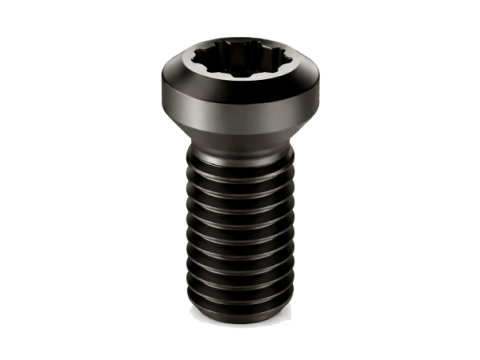
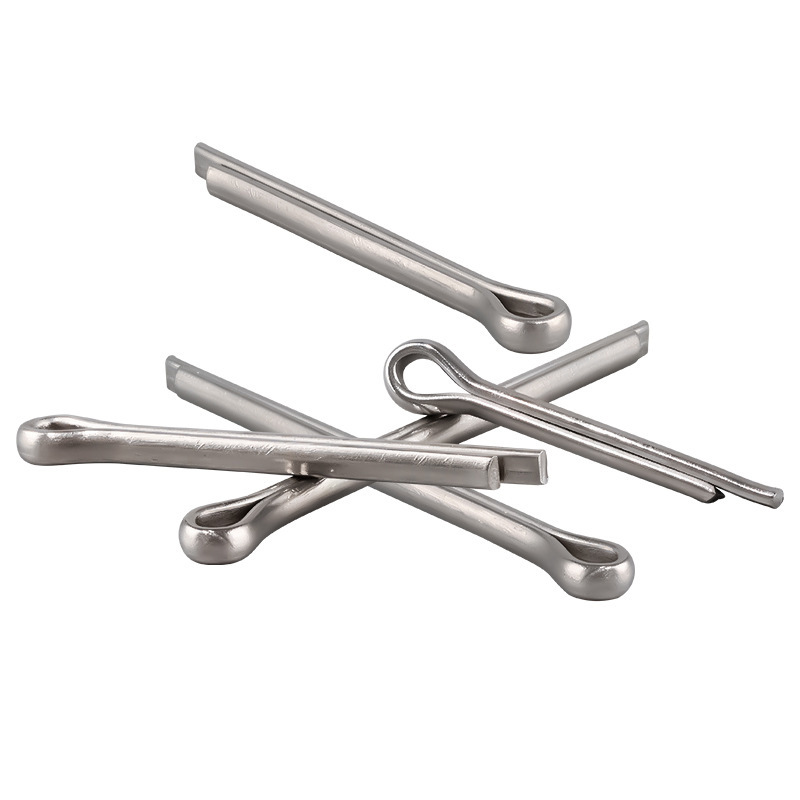
For the fastener industry, this event also has indirect implications. The growth in South Korea's automotive exports to the U.S. will drive up demand for auto parts. As core supporting products, the export scale of fasteners is expected to expand concurrently. Meanwhile, the uncertainty of tariff policies serves as a reminder for enterprises to strengthen supply chain resilience and mitigate risks from single-market policy fluctuations through diversified market layouts.










 Login
Login








 Contact
 WeChat
 粤ICP备2025493240号-1